Velma Forsberg, 86, of Wakefield


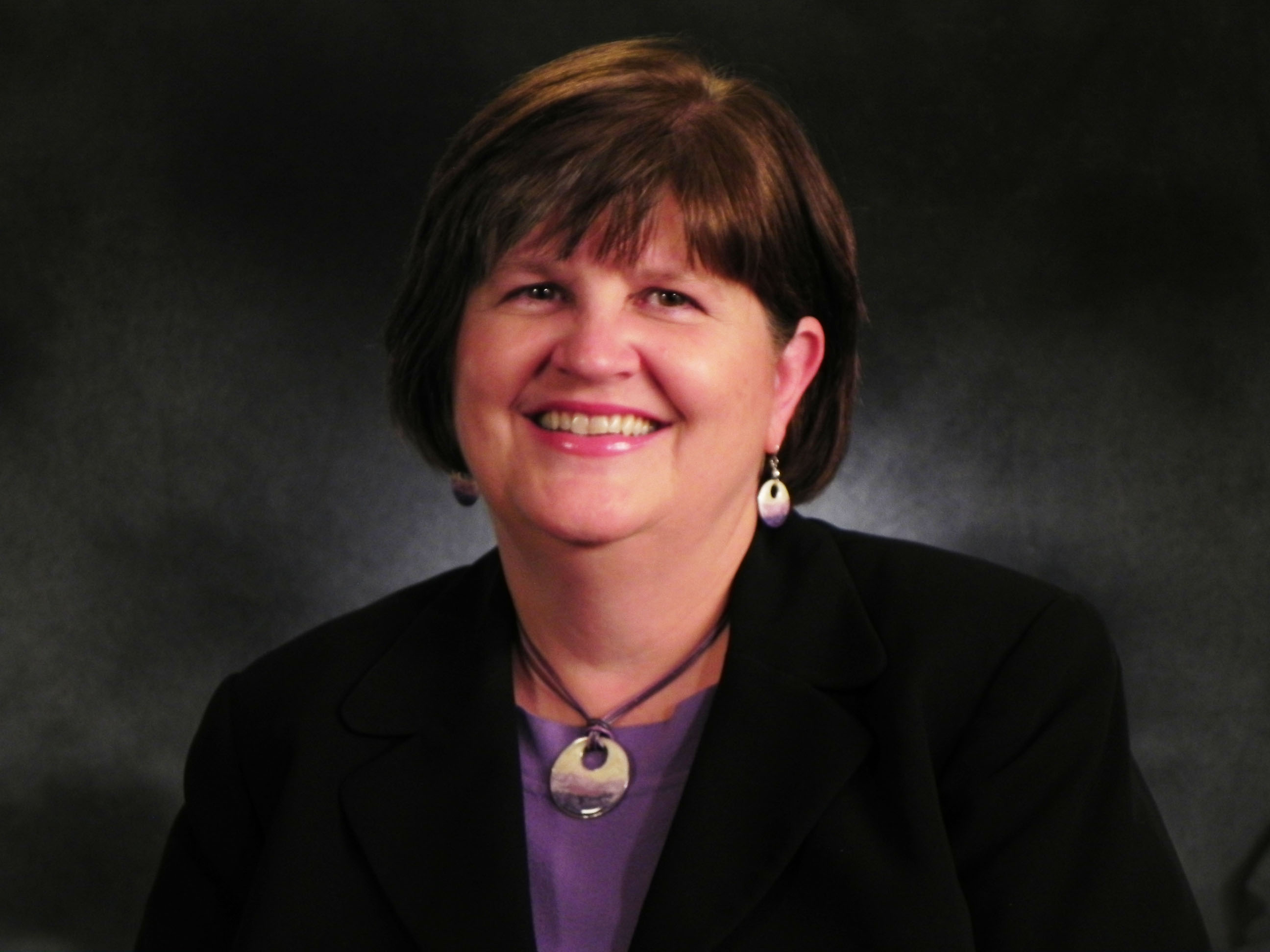
Velma L. Forsberg, 86, of Wakefield, Nebraska died on Sunday, September 15, 2013 at Providence Medical Center in Wayne, Nebraska.

Funeral services for Velma are pending at this time with Bressler – Munderloh – Smith Funeral Home of Wakefield.


Triangular sweep brings Gators to .500 mark


The Wisner-Pilger Gator softball team picked up some big wins this week, including a sweep of triangular action Thursday in West Point.

Big finishes played the key in wins of 13-5 over Tekamah-Herman and 14-3 over West Point-Beemer.

In the battle with T-H, the Gators trailed 5-3 entering the sixth inning, but the bats heated up in a hurry.

Fourteen Gators stepped to the plate in the inning, producing 10 runs for the 13-5 win.

Teddy McMahon had a huge double in the rally, driving in three of the ten runs. Eve Ortmeier and Kari Liermann finished with two hits each in the rally.

Alexis Knust came away with three hits to lead the Gators, which finished with 13 total hits. Finishing with two hits each were Ortmeier, Krista Ott, and Kari Liermann.

The second battle of the night saw W-P and WP-B tied at 3-3 through three innings. Again the locals exploded.

This time, 15 hitters stepped to the plate and produced 11 runs in the top of the fourth inning.

Leading the rally was Kayli Wheaton with a grand slam home run over the fence.

W-P finished with 11 hits, getting two each from Suzanne Ras, Knust, and Shayna McCain.

In a battle last Tuesday, the locals traveled to O’Neill in a rematch of the previous weekend’s third place contest.

The Gators needed seven innings this time around, but came away with a 9-4 victory.

W-P trailed 3-0 in the game, but dominated the scoring column after three innings. The nine Gator runs came via three-run rallies in each of the fourth, fifth, and seventh innings.

On the other hand, the pitching combination of Heidi Miller and Suzanne Ras combined to allow just two runs in the final six innings for O’Neill. Miller earned the win, while Rass picked up the save.

Offensively, Ortmeier and Samantha Liermann had big nights with two hits each. Liermann drove in four runs, while Ortmeier scored a pair.

The trio of wins improved W-P to 6-6 on the season.

This came after a 1-2 tourney showing at the Gator Invite. W-P defeated Lincoln High 6-5 to start off the tourney, but fell in consecutive matchups with David City 5-8 and O’Neill 3-6.

Center for Rural Affairs


NEWS RELEASE
From the Center for Rural Affairs
FOR IMMEDIATE RELEASE – September 11, 2013

Contact: Jon Bailey, jonb@cfra.org, Phone: (402) 687-2103 ext. 1013
or John Crabtree, johnc@cfra.org, Phone: (563) 581-2867 or (402) 687-2103 ext. 1010

Nebraska Ready for Regional Food Systems

Center for Rural Affairs report says yes, with much work

Lyons, NE –  There is significant interest in creating local and regional food production and marketing systems among Nebraskans, especially among farmers, ranchers, consumers and institutional buyers, according to a report released today by the Center for Rural Affairs.

The report, “Regional Food Systems in Nebraska: The Views of Consumers, Producers and Institutions,” also indicates that despite that interest, there are major challenges existing today that will have to be resolved before more local and regional food systems can be fostered.

To view or download a full copy of the Regional Food System report go to:

http://files.cfra.org/pdf/fsmip-focus-group-report.pdf

In February 2013, the Center for Rural Affairs released a report that analyzed the results of a survey of Nebraskans on local food system issues. After the survey was completed, the Center for Rural Affairs held a series of focus groups for each of the project relevant groups – consumers, farmers, ranchers, food-serving institutions and grocery stores. This supplemental report provides findings and observations from those focus groups.

“Both the surveys and focus groups done for this project show there are several issues between producers and consumers that require answers before local and regional food systems can be truly successful,” said Jon Bailey, Center for Rural Affairs Director of Rural Research and Analysis and author of the report.

According to Bailey, the usual food buying experience of consumers (location, hours, convenience) do not always translate to a local or regional food buying experience. Farmers are experienced in farming and growing and producing their products for sale; their skills in marketing and basic business operations may be lacking at times.

Moreover, balancing the expectations and needs of consumers and the skills and desires of farmers and ranchers will be necessary to create long-term successful and sustainable local and regional food systems.

“Nonetheless, all groups with a stake in the food system appear to want to make a local and regional food system work,” Bailey added. “It is incumbent now to capitalize on that support and enthusiasm in order to build for the future.”

“It is clear from the survey results and the focus groups that all three groups – farmers, consumers and institutions – will need to collaborate to make regional food systems in Nebraska a viable reality,” Bailey continued. “Those involved in developing regional food systems also need to address questions regarding future viability for regional food systems.”

The Center for Rural Affairs report describes a number of steps that need to occur to bring about the necessary collaborations between food system partners, which include:

  • Development of a state food policy council or local and regional food policy councils to organize regional food systems and determine the strengths, challenges and needs of localities and regions in relation to food systems.

  • Local and regional entities to develop infrastructure necessary for the cultivation and advancement of regional food systems. Needed infrastructure includes information and education for consumers and institutions on local foods, their advantages, how to purchase them and how best to use them; non-farm business training for farmers involved in local food production and marketing; and “bricks and mortar” infrastructure such as distribution and retail channels.

  • An issue that was not discussed much in either survey responses or focus groups was the issue of distribution. In a state like Nebraska geography is crucial to feasible distribution. As it relates to food systems, geographically challenged or remote communities could include almost any community outside of Omaha and Lincoln or any other population center. If regional food systems are to be viable in more geographically remote communities, questions of distribution and aggregation must be discussed and dealt with.

  • Questions and issues of resources – both financial and human – are, of course, always paramount in developing new systems and infrastructures. Communities and regions developing food systems must develop sources of funding for needed infrastructure, communications, networks and training. These funding sources will likely need to be alternatives to government funding, and significant questions exist as to the source of needed resources. With the collaboration of all interested stakeholders, however, that question is not insurmountable.

“ Nebraskans raise some serious questions and challenges that must be addressed for regional food systems to have a viable future in the state,” Bailey concluded. “However, they also express genuine interest in seeing regional food systems become part of the state’s food landscape and indisputable excitement about making regional food systems become a workable part of Nebraska’s food production, marketing and consumption approach. Matching the questions and needs with the interest is the next step in making regional food systems in Nebraska a reality.”

###
Established in 1973, the Center for Rural Affairs is a private, non-profit organization working to strengthen small businesses, family farms and ranches, and rural communities through action oriented programs addressing social, economic, and environmental issues.


Elisha Greeley Smith

Media & Outreach Associate
Center for Rural Affairs
elishas@cfra.org
(402) 687-2103 ext 1007
cell (402) 922-1409
www.cfra.org

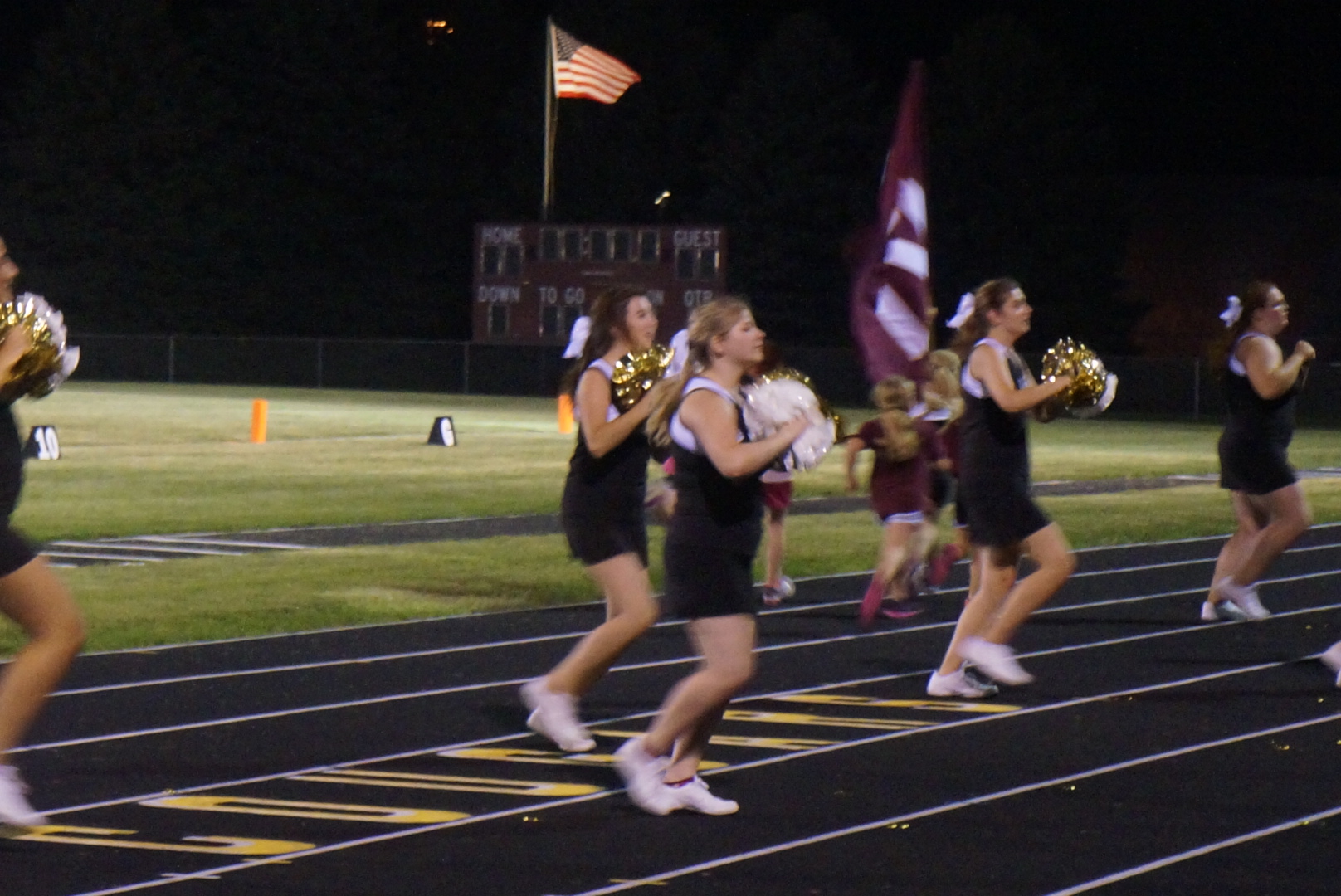
Good luck LDNE football team!


Photo Credit/Denise Gilliland, Editor and Chief, Kat Country Hub.

Photo Credit/Denise Gilliland, Editor and Chief, Kat Country Hub.

IMG_4882 IMG_4892

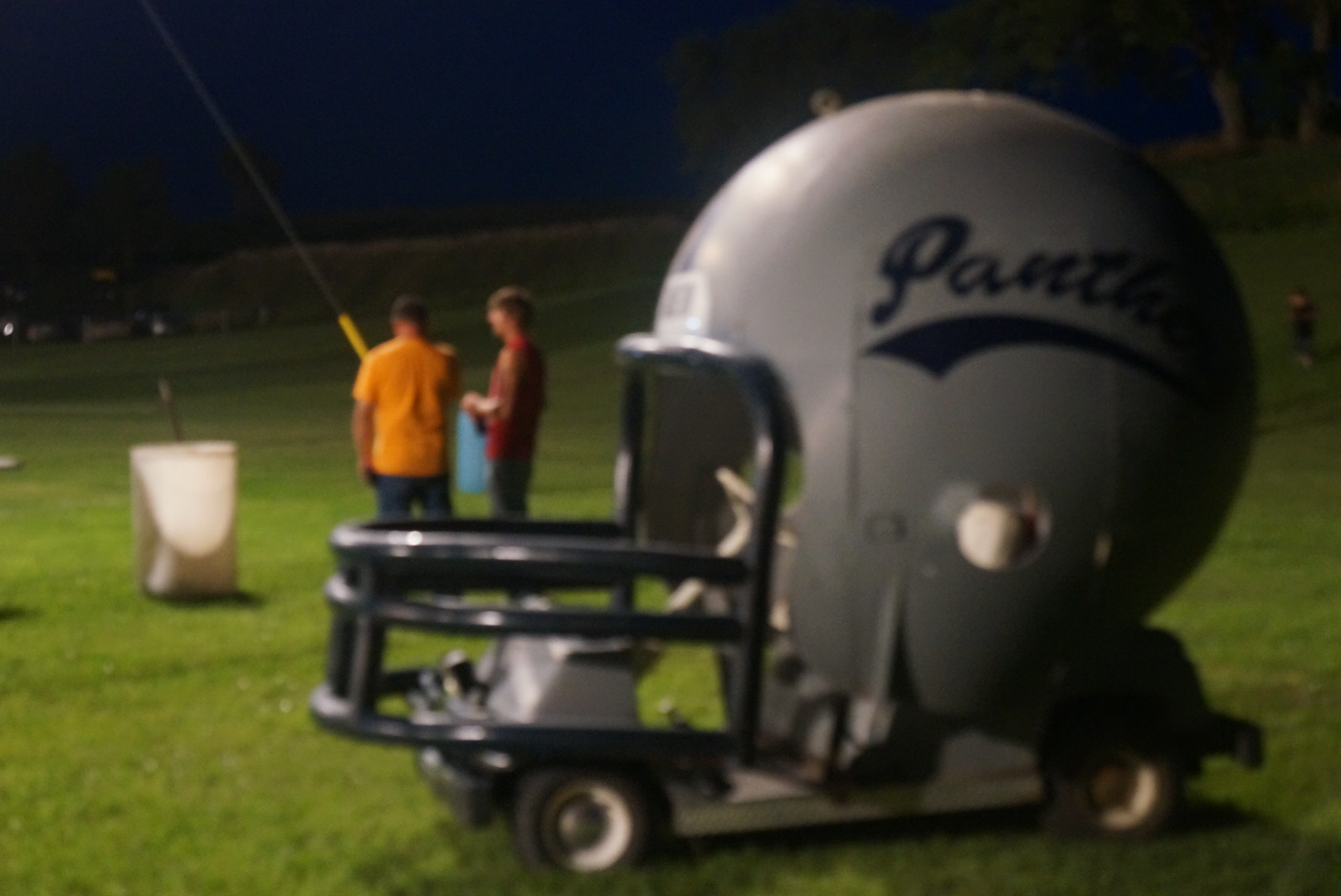
Good Luck Bancroft-Rosalie Panthers!


Photo Credit/Denise Gilliland, Editor and Chief, Kat Country Hub.

Photo Credit/Denise Gilliland, Editor and Chief, Kat Country Hub.

IMG_4433

Are you superstitious on Friday the 13th?


Here are some possible reasons Friday the 13th started. Mind you, it is just speculation that I was able to find on the internet, it is not fact. Do you believe bad things happen on Friday the 13th? Let me know!

History of a superstition

First and foremost, the Last Supper’s 13th guest (and last apostle), Judas, supposedly betrayed Jesus. Then, His Crucifixion occurred on a Friday. Some scholars also believe Eve tempted Adam on a Friday.

Also, Babylon’s ancient Code of Hammurabi skips number 13 when listing laws. Egyptians considered the afterlife the 13th phase of life.

But the number thirteen’s cursed beginnings fall outside the rise of Christianity, too. A similar story occurs in Norse mythology. The 11 closest friends of Odin, the father of all gods, chose to dine together when Loki, the god of evil and chaos, crashed the party. One of the gods, Balder, the god of joy and happiness, died that evening.

Much later, King Philip IV of France certainly didn’t help by ordering the persecution of the Knights Templar on Friday, October 13, 1307. In the following years, several thousand faced torture and execution.

If those tales don’t convince you, math also has a stake in why people get bad vibes from the number thirteen. First, 12 appears a lot in our culture — 12 months in a year, 12 hours on a clock, 12 signs of the zodiac, 12 apostles of Jesus. We love 12.

12 is a “pseudoperfect” number, according to Wolfram. The sum of some of its divisors equals the whole number. For example, 1, 2, 3, 4, and 6 go into 12. Both 2+4+6 and 1+2+3+6 equal 12.

On December 12, 2012, a boy in Alabama turned 12 at 12:12 p.m. People started calling him everything from “the chosen one” to a sign of the impending apocalypse.

Thirteen has a tough act to follow.

Regardless of where, when, or how this superstition started, we’ve perpetuated our own fear. “If nobody bothered to teach us about these negative taboo superstitions like Friday the 13th, we might in fact all be better off,” Stuart Vyse, psychology professor at Connecticut College in New London, told National Geographic.

Read more: http://www.businessinsider.com/history-of-friday-the-13th-2013-9#ixzz2en801hRW

LDNE Homecoming 2013


Homecoming week 2013 will begin on Sunday with painting the windows at the school and local businesses.

School organizations have been busy planning activities for the week as our theme suggests, we want to “Keep the Cougar Spirit Alive”. Dress up days will begin on Monday with Duct Tape Day, Tuesday – Twin Day, Wednesday – Class Color Day, Thursday – Throw Back Thursday Day, and Friday – Cougar Spirit Day.

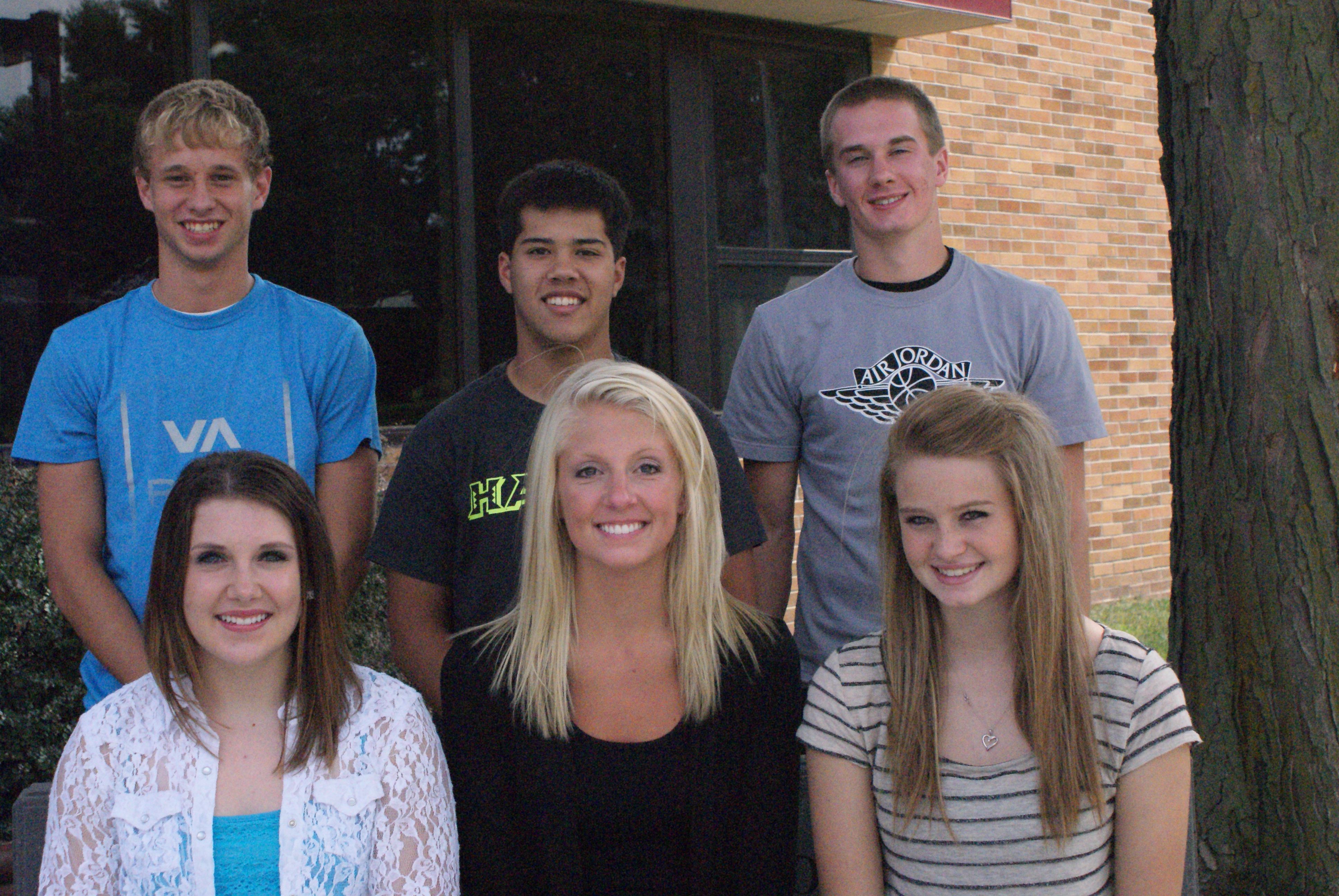
Congratulations to this year’s senior class royalty: Haley Bacon, Hannah Christiansen, and Alexis Totten, Alex Brehmer, Dakota Riecken and Bobby Simpson. King and Queen will be crowned on Monday night at 7:30 followed by a pep rally. Wednesday at 2:30 all students and staff will be participating in a Cancer Walk and Friday afternoon we will be showing our Community Spirit from 1:00 – 3:00; working in the communities.The pep rally will follow.

LDNE homecoming royalty 2013: Front row from left, Haley Bacon, Hannah Christiansen and Alexis Totten. Back row, from left, Alex Brehmer, Bobby Simpson and Dakota Riecken. Photo Credit/Pat Sharp, LDNE.

LDNE homecoming royalty 2013: Front row from left, Haley Bacon, Hannah Christiansen and Alexis Totten. Back row, from left, Alex Brehmer, Bobby Simpson and Dakota Riecken. Photo Credit/Pat Sharp, LDNE.

After the football game vs Osmond students will have fun and food in the gym. Help us celebrate with our outstanding students and staff and show our Cougar pride. You will see Cougar Prints everywhere!

Accountability


Rachel Wise, District 3, Nebraska State Board of Education (September, 2013)

Accountability 101

Last month I described some of the information that will be found in the Nebraska State of the Schools Report when it is released September 27th. This month I want to use my pen (well, actually it would be the keyboard) to write about accountability from a broader perspective. Nebraska schools and school districts are first and foremost accountable to their local communities, school boards, taxpayers, parents and, most importantly, students. However, they are also accountable to the state and federal government.

In 2001 the accountability stakes were raised at the federal level. No Child Left Behind (NCLB) spelled out accountability requirements that local school districts and states needed to report in reading, math and graduation rates. These reporting requirements are labeled Adequate Yearly Progress or AYP. Jumping ahead to 2014, the federal expectations are that all students in grades 3-8 and one grade in high school will demonstrate 100 percent student proficiency in reading and math, as measured by state tests. Title I schools (schools receiving federal funds) that do not meet the federal performance benchmarks are identified as schools needing improvement and certain expectations are placed on these schools. If Title I schools needing improvement do not meet benchmarks for two consecutive years, then specific “corrective action” is required in those schools. So, why is all of this important? We are now into the 2013/2014 school year and there is a federal expectation that 100% percent of Nebraska students will be proficient in reading and math. This is certainly an admirable goal, but is it realistic? In my opinion, NO! These are the federal rules that our schools must follow until Congress reauthorizes the Elementary and Secondary Education Act (already 7seven years past due for reauthorization) or Nebraska is given some flexibility relative to the federal reporting requirements.

So, what about accountability at the state level? The Nebraska State Board of Education has been working with the Nebraska Legislature since 2011 to establish a Nebraska accountability system. In 2012, the Legislature enacted LB 870 requiring the State Board to establish multiple measures including graduation rates along with student growth and improvement scores on state tests. The Nebraska Performance Accountability System (NePAS) was established by the Board in August 2012, and like federal AYP is based on results from state tests and graduation rates.  Some differences between NePAS and AYP include: AYP assigns designations to every school building, according to the grade levels housed in the building, and to every district; NePAS gives rankings based on grade-level configurations–Grades 3-5, Grades 6-8, and Grades 9-12 — and overall district rankings based on Grades 3-12; AYP includes the performance of subgroups in its designations; NePAS does not include subgroup performance. Does this sound a little confusing? It is! In my opinion it is confusing to schools, parents and communities trying to understand how their schools and students are performing.

Over the next few months, the State Board of Education, in partnership with the Nebraska Legislature and key stakeholders statewide, will continue to develop a vision for one integrated accountability system that focuses on individual student growth and school improvement in reading, math, science and graduation rates that meets the needs of Nebraska and federal reporting.

Last month I provided an update on the alignment study conducted by McREL on the Nebraska language arts standards. This month the report on mathematics was finalized and released. Several discrepancies in standards, rigor and sequencing were found between the Nebraska mathematics standards and the Common Core. One key difference is in the sequencing which determines when topics or concepts are taught. For example, the Common Core identifies adding fractions as a standard for 3rd grade. The Nebraska mathematics standards introduces adding fractions as a concept in the 4th grade. The results of the study between the Nebraska math standards and the Common Core will be one of the pieces of information used over the next several months by Nebraska post-secondary educators, K-12 teachers, administrators, and the public, as they review the current Nebraska mathematics standards and consider possible revisions to ensure that Nebraska standards prepare students to be college and career ready. For more information please search the Nebraska Department of Education website at www.education.ne.gov .


Rachel Wise

Rachel Wise

Random pictures of the clouds and sun


Singer/Songwriter to perform at Decatur Museum


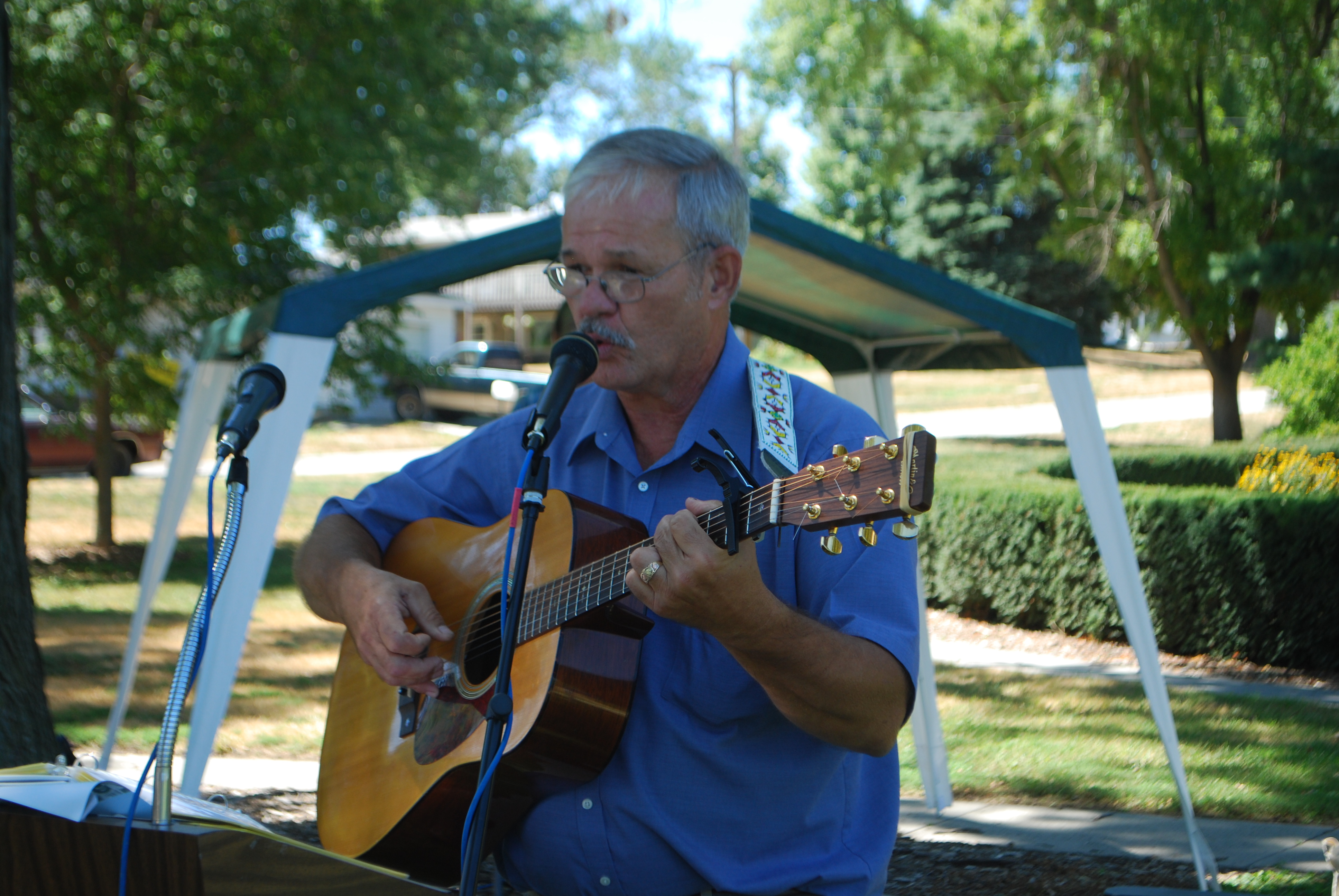
On Sunday, September 29, 2013, at 2 p.m. singer/songwriter Michael McDonald will be performing on the grounds of the Decatur Museum.


Through original songs and stories, McDonald leads a lively celebration of the challenges and adventures faced by Lewis and Clark’s Corps of Discovery. His program focuses on the Irish and Scots-Irish heritage of members of the great river expeditions and mountain men. Sgt. Charles Floyd and young George Shannon figure prominently in his program.

By Norma Farrens

The program is free and open to the public and refreshments will be served after the performance. Free will offerings will be accepted. Guests are encouraged to bring lawn chairs though some seating will be provided. Visitors may tour the main and second floors of the museum where an exhibit on area schools is on display. In case of inclement weather the program will be moved inside the museum.


McDonald hails from Yankton County, South Dakota, growing up on a couple of farms with six brothers and a sister. He is a Vietnam era veteran, a graduate of the University of South Dakota, and is retired from the U.S. Postal Service. He and his wife, Deb, have three children and two grandchildren and live in Yankton.


The program is made possible by Humanities Nebraska and is one of approximately 300 programs offered the Humanities Nebraska Speakers Bureau.


Michael McDonald

Michael McDonald