Kidney Disease and Diabetes


By Mary Loftis

Extension Assistant

According to the National Kidney Disease Education Program, more than 20 million Americans may have kidney disease and many more are at risk for it.  Diabetes is the leading cause of kidney disease in the United States.  The type of kidney disease associated with diabetes, called diabetic nephropathy, develops as a result of damage to the kidneys caused by elevated blood glucose levels over time.  Deborah Willcox, R.D., L.M.N.T., with Franciscan Care Services in West Point, will share dietary hints and precautions that can be taken to protect your kidneys.
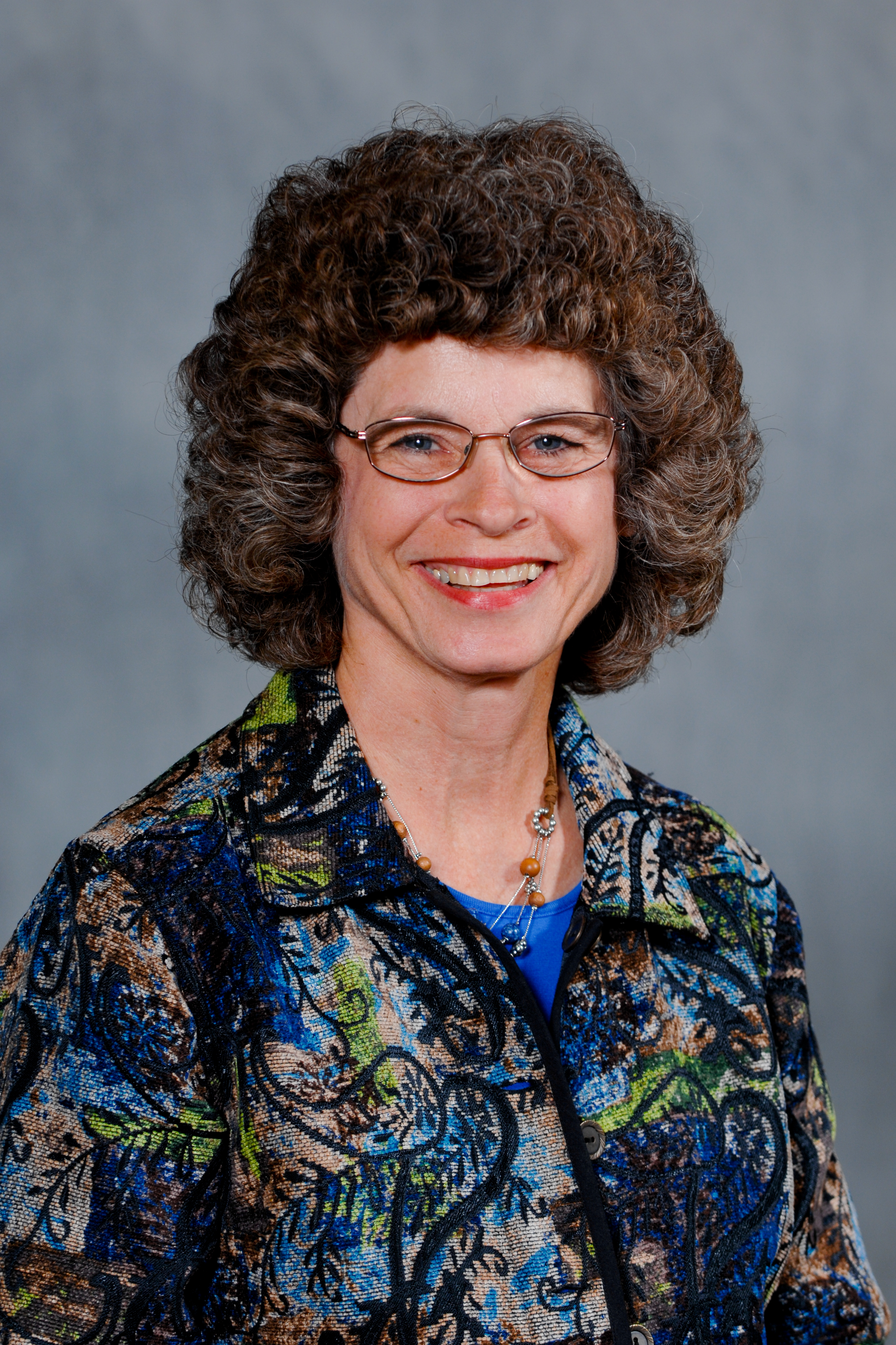
Mary Loftis

Mary Loftis


Usually there are no symptoms associated with early kidney disease, but as the function of the kidneys deteriorates, a fluid imbalance can occur.  To learn more about kidney function and symptoms of kidney disease we invite you to attend the March 10 session of Control Diabetes for Life.


At any stage of kidney disease, you may benefit from the services of a Nephrologist, a doctor who specializes in the care of disorders of the kidneys.  But even if you do not have kidney disease you can be proactive about your kidney health by asking your doctor to give you a yearly update on your risk factors for kidney disease, including your HbA1C level and microalbuminuria test results.  By knowing where you stand, you can take appropriate action to improve your health and prevent or limit kidney dysfunction.

Fitting diabetes into your lifestyle is the key message today. Diabetes does not have to dictate how you live.  University of Nebraska–Lincoln Extension and Franciscan Care Services invite you and your family members to participate in a new and exciting diabetes educational program. The series of programs is being offered via two-way interactive distance education. Participants will learn about current issues related to diabetes from educators with over 25 years of team-teaching experience.


Monday, March 10, is the first of three programs in the 2014 Control Diabetes for Life series. Topics that will be addressed during the two-hour program are: “Kidney Disease:  Action Steps to Take to Protect Your Health”, “Ways to Cut Food Costs”, and “What’s New in Diabetes Self-Management”, along with other helpful hints. Participants will sample a new recipe for a diabetic appropriate food. Team-teaching the program will be Deborah Willcox, R.D., L.M.N.T., and Stacie Petersen, B.S.N. and Certified Diabetes Educator both of Franciscan Care Services in West Point and Debra Schroeder, UNL Extension Educator in Cuming County.


Participants have the opportunity to attend the program from 7:00-9:00 p.m. at Tekamah-Herman High School in the Distance Learning Classroom.

University of Nebraska-Lincoln Extension, Franciscan Care Services of West Pont are hosting the presentation. The program is offered free-of-charge. Control Diabetes for Life will help participants learn to control diabetes and prolong the onset of complications from the disease. These sessions are designed to supplement the education that you received from your local diabetes education team and are not a substitute for diabetes classes through your local health care providers.

Participants are asked to pre-register for “Control Your Diabetes for Life” by calling UNL Extension in Burt County at 402-374-2929. Please register by Friday, March 7th, so the proper number of handouts may be prepared. Nebraska School Food Service Association has approved this session for two hours of continuing education credits for food service staff attending.

Control your diabetes for life!  Start by attending the March 10 distance education program.  Call today to register!

Mary Loftis,

Extension Assistant
UNL Extension – Burt County
111 North 13th Street, Suite 6
Tekamah, NE 68061
Phone: (402) 374-2929

Fax: (402) 374-2930

Internet: mloftis2@unl.edu

Middle Name Pride Day


Today is Middle Name Pride Day. It is in honor of the seldom used middle name. Your middle name may often set you apart from others. It was selected with care, so you should be proud of it.
Here’s two reasons to be proud of your middle name:
First, there are plenty of John Smiths and and Mary Jones in the world. It is the middle name your parents gave you that makes your name special.
Second, your parents chose your middle name with consideration. It could have selected to honor a friend or relative. That person may have possessed certain special qualities that they want you to inherit.
Do you know why you were given your middle name? If not, today is the day to find out. If it was in honor of someone, find out a little more about that person.
Enjoy your middle name on Middle Name Pride Day, and every day!

Barbie’s Birthday


Today is Barbie’s birthday. She was “born” in 1959. Which is your “favorite” Barbie? How many do you have, or had as a child?

Happenings at Logan Valley Manor


Mon., March 10th: 9:00 a.m., Fitness Club; 9:30 a.m. Presbyterian Church Services; 10:45 a.m. Mile Walkers; 1:00 p.m. Noodle Volleyball.

Tues., March 11th: 9:00 a.m. Fitness Club; 10:00 a.m. Baking in the annex; 2:00 p.m. Bingo.

Wed., March 12th: Story time with Jo Johnson; 9:00 a.m. Fitness Club; 10:45 a.m. Mile Walkers; 7:00 p.m. Movie and Snack.

Thurs., March 13th: 9:00 a.m. Fitness Club; 10:00 a.m. Bango; 11:15 a.m. Outing to Happy Days Senior Center; 1:00 p.m. Red Hatter’s.

Fri., March 14th: 9:00 a.m. Fitness Club; 10:45 a.m. Mile Walkers; 1:00 p.m. Movie and Snack;  7:00 p.m. Entertainment by Terry James and Janelle.

Sat., March 15th: 10:00 a.m. Rusty Bucket; 7:00 p.m. Lawrence Welk.

Sun., March 16th: 9:00 a.m. Reach Out & Live-TV Channel 4; 2:00 p.m. Bethany Lutheran Church Services.


Small Business Survey


Lyons, NE – The Center for Rural Affairs’ Rural Enterprise Assistance Project (REAP), is once again circulating a statewide small business needs assessment survey, to explore how Nebraska small businesses are faring. This survey is the 4th biennial survey conducted by the organization.The survey, which only takes about 6 minutes to complete, is for business owners and those that serve them (including lenders and resource providers). Individuals are asked to complete the survey by March 31, 2014.

“The small business climate in Nebraska is constantly changing. Meeting the needs of startup and existing small businesses is extremely important to all the organizations and entities that provide small business services,” commented Jeff Reynolds, REAP Program Director. “As with previous surveys, the Center for Rural Affairs REAP program will be using the results of this ‘needs’ based survey to help shape future programming with the ultimate goal of enhancing programming to best serve the critical needs of today’s entrepreneurs.”

REAP is Nebraska’s largest microenterprise program and is committed to meeting the needs of startup and existing entrepreneurs in rural Nebraska. REAP provides lending, loan packaging, training, networking, and technical assistance opportunities for startup and existing small businesses.

For more information about REAP and its services and to access the survey, visit: http://www.cfra.org/reap . The survey can also be found at: https://www.surveymonkey.com/s/2014SBNAlink. If you have any questions about the survey, would like to read the results of previous surveys, or would like the 2014 results brought to your organization, please contact Dena R. Beck, REAP Business Specialist & Senior Project Leader at denab@cfra.org or 308-528-0060.

Marketing Grant


OUTDOOR RECREATION MARKETING GRANT


The Nebraska Game and Parks Commission is offering marketing grants to promote outdoor recreation. The program is designed to support Game and Parks’ goals of increasing participation in outdoor recreation through collaboration with partners.


The grants are for communities, groups, organizations, public-private partnerships, nongovernment agencies or political subdivisions looking for help in promoting outdoor recreation to spur tourism and economic development.


Preference is given to marketing campaigns promoting hunting, fishing and Game and Parks’ public areas. The individual grant amounts will range from $2,000 to $25,000, and grants will be awarded on a reimbursement basis. Grantees must provide at least a 25 percent match.


The application deadline is March 28, 2014. Grants will be awarded April 30. Reimbursement will begin May 1, 2014 and must be completed by June 30, 2015.


All applications must be postmarked by March 28, 2014.


For more information, or to apply, visit OutdoorNebraska.org/Grants.


State Board Highs and Lows


Rachel Wise, District 3, Nebraska State Board of Education (March, 2014)

State Board Highs and State Board Lows!

Rachel Wise

Rachel Wise

This month I will write about a recent State Board high — an action that my board colleagues and I are very excited about. I will then address what I consider a State Board low — something I would really rather not write about, but feel compelled to inform and acknowledge.

Let’s get to the good news. On March 4th, the State Board of Education unanimously adopted Nebraska Fine Arts Standards. As eloquently stated by Debbie DeFrain, the Nebraska Department of Education Director of Fine Arts, “these standards will help lead the way in developing citizens of tomorrow through excellence: in continuous improvement; in quality of life; in promoting richness of humanity; and, in recognizing the importance of fine arts in healing, uplifting and maintaining the human spirit.” Many individuals and organizations across the state were involved in developing the standards and participated throughout the process. It was clear that the needs of students and the ability of local schools to implement standards remained at the forefront of their work. Supporting this process and voting to adopt the Fine Arts Standards has been a high among my board experiences.

So, now for the low. Let’s revisit an article that I wrote last April regarding assessment. Nebraska State Accountability (NeSA) is a system of assessments or “testing” developed to measure student progress on Nebraska standards. In Nebraska, students are assessed as follows:  writing – grades 4, 8 and 11; reading – grades 3-8 and 11; math – grades 3-8 and 11; science – grades 5, 8 and 11. All of these tests are administered during pre-set times from January through early May. Eighth and 11th grade students take the 90-minute Nebraska state writing test online. Fourth grade students take the test in a paper/pencil format in two, 40-minute sessions. So you may be wondering why is writing about a writing test a low?

Last year, 8th and 11th grade students taking the state writing test encountered technical difficulties and many students were not able to finish the test or get an accurate score. The contractor, Data Recognition Corporation, stopped using a sub-contractor from last year and began providing those testing services to Nebraska this school year. Long story short—problems were again encountered and 2 to 3 percent of Nebraska students experienced technical difficulties while taking their writing test this year. As a State Board member, the low is knowing that students encountered a frustrating situation while taking the writing test. For many college students today, taking online classes and encountering technical difficulties with a class or an online test is part of the learning experience. However, technical difficulties should not be a part of the learning experience of an 8th or 11th grade student taking a state test!

So what is the Nebraska Department of Education and State Board prepared to do? We have not paid Data Recognition Corporation and are working diligently to garner assurances that the technical difficulties will not occur in the upcoming online reading, math and science tests. We also have apologized for the challenges this has created for some students and staff in some schools across the state.

Next month, I am optimistically looking forward to writing only about the highs of representing District 3 on the State Board of Education.

One more high, Voices for Children recently published its 2013 Kids Count in Nebraska Report. If you care about kids, this is a very important report to read. You can access the 2013 report or any of the reports since 2006 at www.voicesforchildren.com/kidscount.

This article represents my personal view, not that of the State Board of Education or my role as president. Feel free to contact me at rachel.wise@nebraska.gov. Search the Nebraska Department of Education website at www.education.ne.gov to learn more about education in our state.

The Muffin Bakers


Flying Needles 4-H Club muffin bakers:
Back Row:
Jadyn Fleischman, Anna Wakehouse, Liz and Claire Dlouhy
Front: Rayna Hladky, Reese Hansen, Veona Hladky and Lily Willing.

Photo Credit/Mary Loftis, Extension Assistant.

Photo Credit/Mary Loftis, Extension Assistant.

Flying Needles 4-H Club


The Flying Needles 4-H Club kicked off 4-H Week by baking and taking muffins to the Golden Living Center residents.

Serving Mary Johnson her muffin is Veona Hladky. Keeping a close eye on her is Lily Willing and Rayna Hladky.


Photo Credit/Mary Loftis, Extension Assistant.

Photo Credit/Mary Loftis, Extension Assistant.

Protecting Stored Grain


By John Wilson

Extension Educator

It seems like when we flip the calendar over to March, we expect some warmer temperatures. But it looks like the weatherman may have put our springlike weather on hold for a week. While warmer temperatures will be a welcome relief, it also will reveal some problems that started last fall, but were postponed by the colder winter weather.

Spring can be a challenge for folks with grain in storage on the farm in a normal year, but the weather last fall during harvest was anything but normal. Poor drying conditions forced many farmers to put grain in storage at unusually high moisture levels. The grain was held over the winter by cooling it to slow losses. But as air temperatures and grain warm, the chance for grain spoilage increase dramatically.

John Wilson

John Wilson

Periods of warm weather will warm grain near the bin walls, particularly on the south and west sides of the bin, while grain on the north side and near the center of the bin remain cooler. This uneven warming will cause moisture movement within the grain and condensation in the cooler parts of the grain mass.

If the temperature of the grain is below freezing, moisture will freeze between the kernels, forming a block of frozen grain. When you aerate the bin, air will move around, rather than through, these areas. When that grain eventually thaws, it creates a moist area in the grain and increases the likelihood of spoilage.

So how do you avoid this problem when you can’t control the weather? Every couple of weeks you should check the grain temperature with a probe thermometer. Check the temperature of the grain around the bin walls and also near the center of the bin. If there is more than a 10 degree difference between any of the readings, turn on the fans to push a temperature front through the grain to equalize the temperature.

As you gradually warm the grain this spring, try to keep the grain temperature within about 10 degrees of the average outside temperature. Whenever you run the fans, use this as a time to monitor grain conditions. Have someone else turn on the fans while you are positioned by a roof vent or opening in the roof.

If that first blast of air coming out the vents is musty, more humid, or warmer than the outside air, this indicates a problem developing in your grain. You need to run the fans continuously to reduce the problem, monitor this bin more frequently, and then use or sell this grain as soon as possible.

One important safety consideration. Before entering a bin, be sure you have a safety harness or rope connected to yourself and have someone outside the bin that can pull you to safety if you should break through a crusted area. Last fall’s less than ideal drying conditions increase the potential for grain bridging and forming air pockets below the surface. If you break through the bridge, it is likely you will not be able to get out on your own.

For more information on managing stored grain, contact your local UNL Extension office.