Senator Brasch Townhall Meeting Schedule


DISTRICT 16 TOWN HALL MEETINGS

Senator Brasch will host town hall meetings throughout District 16 to provide a legislative update on senator, committee, and speaker priority bills; consent calendar bills; and commonly addressed issues during the 103rd Legislature.  There will be an opportunity to engage in a Q&A discussion on pending legislation.


Friday, March 14

  • Decatur: 9:30 – 11:00 a.m.

Coffee at the Senior Center

  • Bancroft: 12:00 – 1:30 p.m.

Lunch at the Senior Center

Suggested donation of $4.50 for meal, reservations appreciated

  • Beemer: 2:00 – 3:30 p.m.

Coffee at the Beemer Café

Sponsored by Great Plains Communications

  • West Point: 4:00 – 5:30 p.m.

Municipal Building, City Council Chamber


Saturday, March 15

  • Oakland: 10:00 – 11:30 a.m.

Coffee at Creative Connections


Monday, March 17

  • Tekamah: 10:00 – 11:30 a.m.

Coffee at Chatt Senior Center

  • Blair: 1:00 – 2:30 p.m.

Coffee at City Council Chamber

  • Arlington: 5:30 – 6:45 p.m.

Light refreshments at the Arlington Community Room

Sponsored by Micheal Dwyer

LDNE Students at Wayne State College Honor Choir


By Jessie Mutum

LDNE Music Student

Voices with the sounds of millions! Thats what over 230 students from grades 9-12 sounded like February 7, 2014 at Wayne State College Honor Choir, with 24 schools attendingThe day was jam- packed with rehearsals all day, which was fun but tiring.

There was never a dull moment with Clinician Dr. Elise Hepworth which was always showing us how to fix our mistakes and make our words smooth like honey. The songs of choice were Total Praise, Going Up to Glory, Things That Never Die, and Can You Hear.

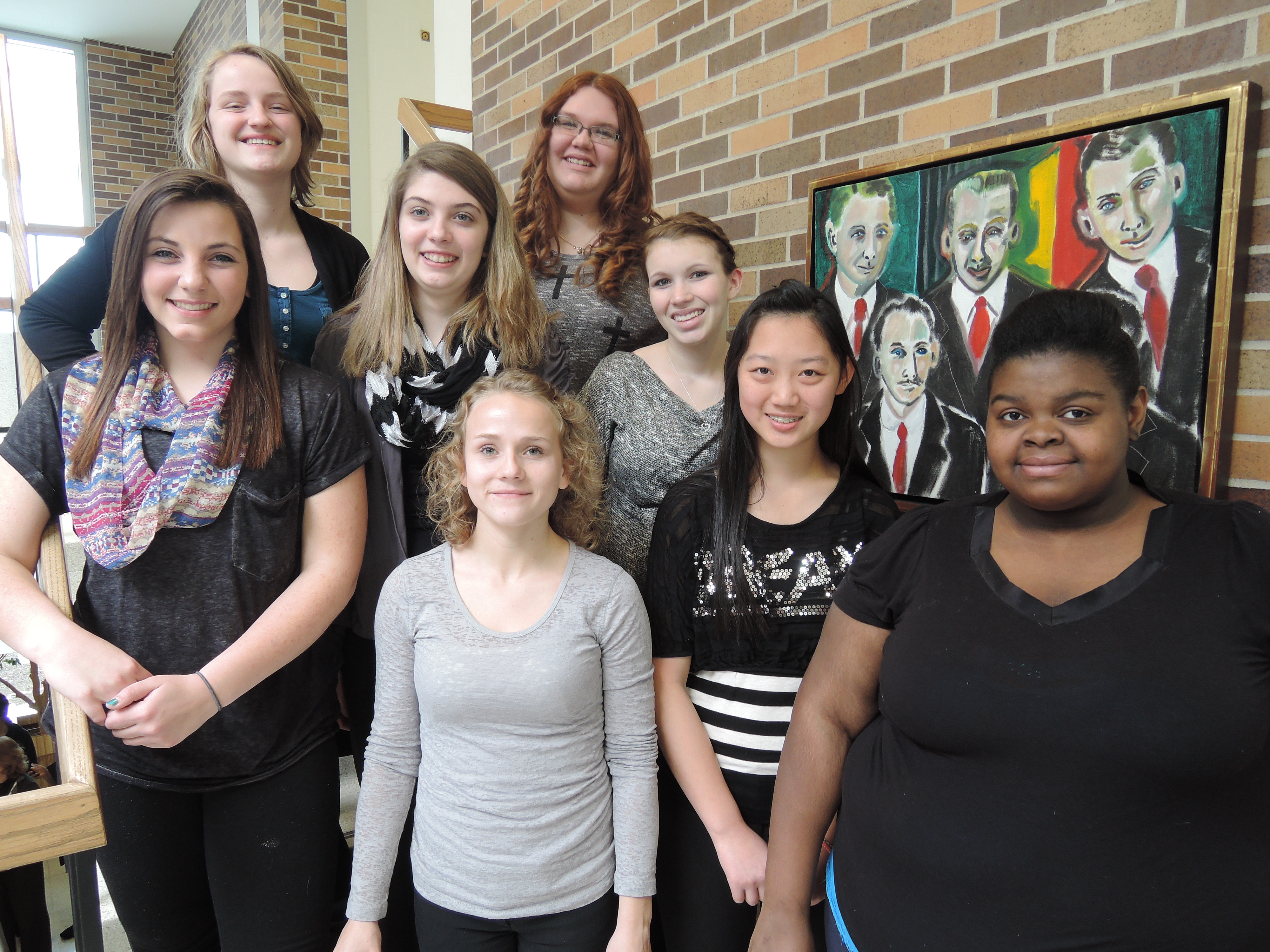
There were 8 people that attended WSC. Seniors Tatiayana Harris, Jesika Kramer, and Sarah Alford, Sophomores Blair Preston, Jessie Mutum, Lena Horak, and Sophie Hsu, and lastly Freshmen Amelia Schlichting.

The entire Wayne State Honor Choir. Photo Courtesy of LDNE.

The entire Wayne State Honor Choir. Photo Courtesy of LDNE.


The students from LDNE attending the Honor Choir were: back left to right: Lena Horak, Amelia Shlichting, Jessie Mutum,  Kramer bottom Left to right: Blair Preston, Sarah Alford, Sophie Hsu and Tatiayana Harris. Photo Courtesy LDNE.

The students from LDNE attending the Honor Choir were: back left to right: Lena Horak, Amelia Shlichting, Jessie Mutum, Kramer
bottom Left to right: Blair Preston, Sarah Alford, Sophie Hsu and Tatiayana Harris. Photo Courtesy LDNE.

The day was joyous and we want to thank Dr. Hepworth and everyone at Wayne State College for holding this and helping us on the way!

Happy Meal Tax Cut Bad for Nebraska


Lyons, NE – Today the Center for Rural Affairs released a new report, titled – Crumbs for the Middle Class: Tax Benefits for LB 1097 Flow to High Earners, Little for Lower Earners – that examines how the tax proposal would affect Nebraska and it’s citizens.“LB 1097 – the major tax proposal in the 2014 Nebraska Legislature – is costly, would lead to massive budget deficits, and endangers the state’s cash reserve. Tax cut benefits to the highest level of earners are significant. But tax cut benefits to middle- and low-income taxpayers are nearly nonexistent and LB 1097 endangers services and public investments vital to these Nebraskans,” said Jon Bailey, Rural Public Policy Director at the Center for Rural Affairs and author of the report.

LB 1097 proposes to undertake the following:

— Replace the four current personal income tax brackets with three brackets starting at $0, $36,000 and $72,000 for married couples
— Indexes brackets for inflation starting in 2018
— Lowers personal income tax rates for all brackets
— Lowers corporate income tax rates

The Fiscal Note for LB 1097 estimated a loss in General Fund revenue to the state ranging from $140.7 million in fiscal year 2014-2015 to $645.3 million when fully implemented in fiscal year 2018-2019.

“Perhaps the most important question to ask is, who benefits from LB 1097?” Bailey asked. “The Institute on Taxation and Economic Policy estimates that about 61 percent of LB 1097’s tax cuts would go to the top 20 percent of income earners – those who earn over $92,000. Only seven percent would go to the bottom 40 percent of taxpayers – those who earn less than $37,000.”

Bailey’s report references data from the OpenSky Policy Institute and the Institute on Taxation and Economic Policy showing the following:

— About 31 percent of tax cut benefits of LB 1097 will go to the top 5 percent of Nebraska earners (those who earn more than $168,000 annually).
— About 16 percent of the tax cut benefits of LB 1097 go to the state’s top 1 percent of earners (those who earn more than $388,000 annually).
— The average taxpayer in the top 1 percent of earners would receive an annual tax cut of about $6,600, about $550 per month.
— Middle-income taxpayers (between $37,000 and $60,000 annually) would receive average tax cuts of about $239 annually, or about $20 per month.
— Lower income taxpayers would receive even less. The lowest 20 percent income group (below $21,000 annually) would receive a tax cut of $25 annually, or about $2 per month; the second lowest income group ($21,000 to $37,000 annually) would receive a tax cut of $122 annually, or about $10 per month.

“Twenty dollars per month for middle-income taxpayers is equivalent to about one Happy Meal at McDonalds each week,” explained Bailey. “Lower income earners wouldn’t even be able to buy the Happy Meal.”

“In addition to the regressive nature of the tax cuts, meaning those at the bottom of the income scale will receive fewer tax cut benefits, LB 1097 has significant long-term consequences,” Bailey added.

According to Bailey’s report, those long-term consequences would include the following:

— LB 1097 would wipe out the current state budget surplus and create a large state budget deficit. LB 1097 would wipe out the projected $109 million surplus and leave the state with an estimated $929 million shortfall as the tax cuts grow through fiscal year 2018.

— State investments in items like education, health care, job training, roads and safe communities would become hostage to the budget deficit caused by LB 1097.

— The state budget could make up for the loss of revenue from LB 1097 by tapping the state’s cash reserve fund. This has been proposed by supporters of LB 1097 and tax cuts in general.

“However, the current balance of the cash reserve fund is $679 million – squarely within recommended amounts,” said Bailey. “In our view it is fiscal malpractice to use a one time, major withdrawal from the state’s reserves for permanent changes in the state’s tax system. That leaves the state potentially unprotected from another economic downturn that needs the cash reserve fund to mitigate damage to necessary state investments.”

“In the long-term LB 1097 will not provide any benefits to middle class or lower income taxpayers,” concluded Bailey. “LB 1097 also has the potential to endanger vital state investments that are in the best interests of middle class and lower income Nebraskans, the state as a whole and Nebraska’s economy.”

A full copy of the report can be viewed and downloaded at: http://www.cfra.org/www.cfra.org/Crumbs-for-the-Middle-Class

Kidney Disease and Diabetes


By Mary Loftis

Extension Assistant

According to the National Kidney Disease Education Program, more than 20 million Americans may have kidney disease and many more are at risk for it.  Diabetes is the leading cause of kidney disease in the United States.  The type of kidney disease associated with diabetes, called diabetic nephropathy, develops as a result of damage to the kidneys caused by elevated blood glucose levels over time.  Deborah Willcox, R.D., L.M.N.T., with Franciscan Care Services in West Point, will share dietary hints and precautions that can be taken to protect your kidneys.

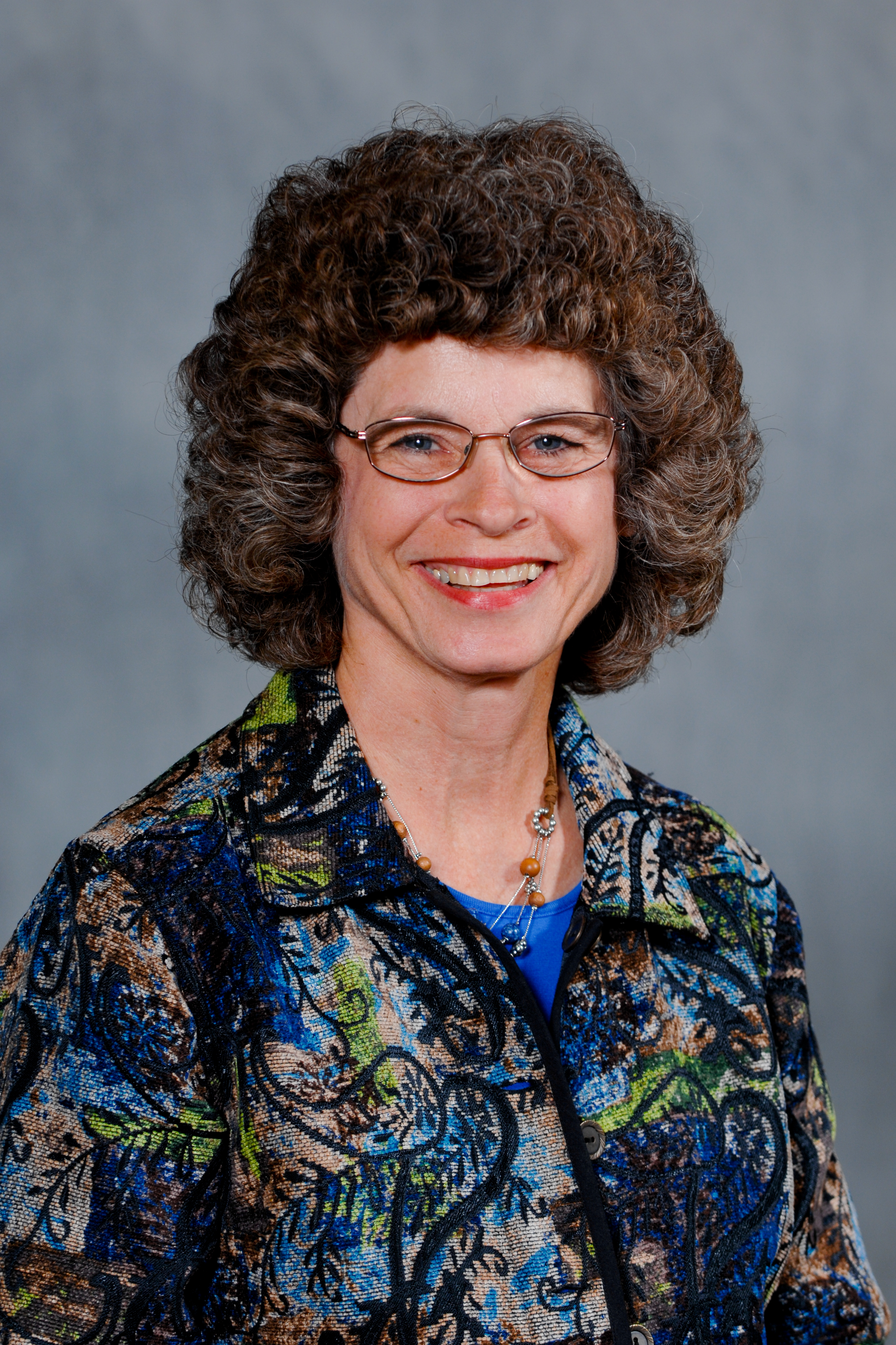
Mary Loftis

Mary Loftis


Usually there are no symptoms associated with early kidney disease, but as the function of the kidneys deteriorates, a fluid imbalance can occur.  To learn more about kidney function and symptoms of kidney disease we invite you to attend the March 10 session of Control Diabetes for Life.


At any stage of kidney disease, you may benefit from the services of a Nephrologist, a doctor who specializes in the care of disorders of the kidneys.  But even if you do not have kidney disease you can be proactive about your kidney health by asking your doctor to give you a yearly update on your risk factors for kidney disease, including your HbA1C level and microalbuminuria test results.  By knowing where you stand, you can take appropriate action to improve your health and prevent or limit kidney dysfunction.

Fitting diabetes into your lifestyle is the key message today. Diabetes does not have to dictate how you live.  University of Nebraska–Lincoln Extension and Franciscan Care Services invite you and your family members to participate in a new and exciting diabetes educational program. The series of programs is being offered via two-way interactive distance education. Participants will learn about current issues related to diabetes from educators with over 25 years of team-teaching experience.


Monday, March 10, is the first of three programs in the 2014 Control Diabetes for Life series. Topics that will be addressed during the two-hour program are: “Kidney Disease:  Action Steps to Take to Protect Your Health”, “Ways to Cut Food Costs”, and “What’s New in Diabetes Self-Management”, along with other helpful hints. Participants will sample a new recipe for a diabetic appropriate food. Team-teaching the program will be Deborah Willcox, R.D., L.M.N.T., and Stacie Petersen, B.S.N. and Certified Diabetes Educator both of Franciscan Care Services in West Point and Debra Schroeder, UNL Extension Educator in Cuming County.


Participants have the opportunity to attend the program from 7:00-9:00 p.m. at Tekamah-Herman High School in the Distance Learning Classroom.

University of Nebraska-Lincoln Extension, Franciscan Care Services of West Pont are hosting the presentation. The program is offered free-of-charge. Control Diabetes for Life will help participants learn to control diabetes and prolong the onset of complications from the disease. These sessions are designed to supplement the education that you received from your local diabetes education team and are not a substitute for diabetes classes through your local health care providers.

Participants are asked to pre-register for “Control Your Diabetes for Life” by calling UNL Extension in Burt County at 402-374-2929. Please register by Friday, March 7th, so the proper number of handouts may be prepared. Nebraska School Food Service Association has approved this session for two hours of continuing education credits for food service staff attending.

Control your diabetes for life!  Start by attending the March 10 distance education program.  Call today to register!

Mary Loftis,

Extension Assistant
UNL Extension – Burt County
111 North 13th Street, Suite 6
Tekamah, NE 68061
Phone: (402) 374-2929

Fax: (402) 374-2930

Internet: mloftis2@unl.edu

Middle Name Pride Day


Today is Middle Name Pride Day. It is in honor of the seldom used middle name. Your middle name may often set you apart from others. It was selected with care, so you should be proud of it.
Here’s two reasons to be proud of your middle name:
First, there are plenty of John Smiths and and Mary Jones in the world. It is the middle name your parents gave you that makes your name special.
Second, your parents chose your middle name with consideration. It could have selected to honor a friend or relative. That person may have possessed certain special qualities that they want you to inherit.
Do you know why you were given your middle name? If not, today is the day to find out. If it was in honor of someone, find out a little more about that person.
Enjoy your middle name on Middle Name Pride Day, and every day!

A Beautiful Spring Day


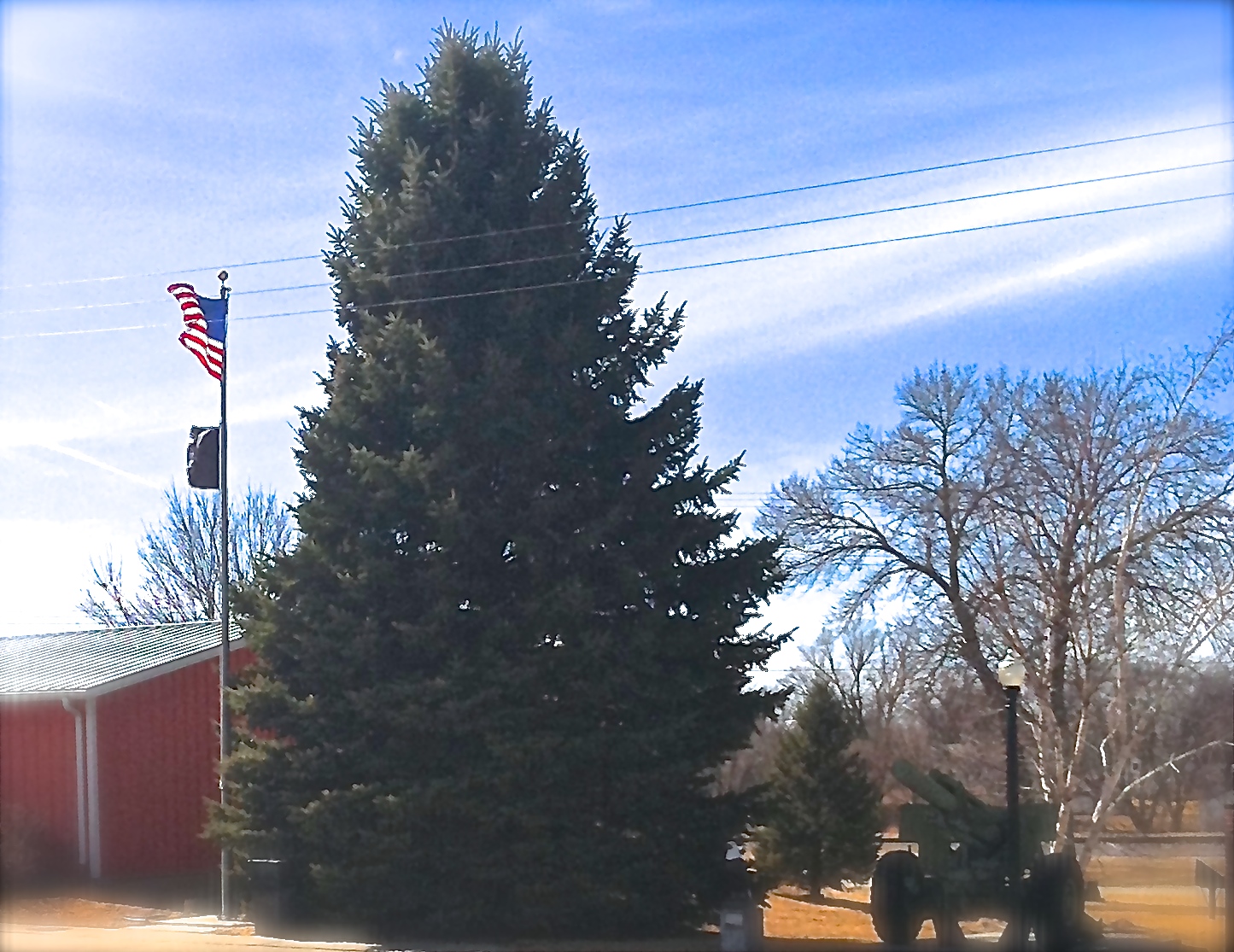
It is a beautiful day! A bit windy, as the flags at Veteran’s Park in Oakland can be seen blowing in a warm breeze!

Veteran's Park in Oakland. Photo Credit/Denise Gilliland, Editor and Chief, Kat Country Hub.

Veteran’s Park in Oakland. Photo Credit/Denise Gilliland, Editor and Chief, Kat Country Hub.

Veteran's Park in Oakland. Photo Credit/Denise Gilliland, Photo Credit, Kat Country Hub.
Veteran’s Park in Oakland. Photo Credit/Denise Gilliland, Photo Credit, Kat Country Hub.


Happenings at Logan Valley Manor


Mon., March 10th: 9:00 a.m., Fitness Club; 9:30 a.m. Presbyterian Church Services; 10:45 a.m. Mile Walkers; 1:00 p.m. Noodle Volleyball.

Tues., March 11th: 9:00 a.m. Fitness Club; 10:00 a.m. Baking in the annex; 2:00 p.m. Bingo.

Wed., March 12th: Story time with Jo Johnson; 9:00 a.m. Fitness Club; 10:45 a.m. Mile Walkers; 7:00 p.m. Movie and Snack.

Thurs., March 13th: 9:00 a.m. Fitness Club; 10:00 a.m. Bango; 11:15 a.m. Outing to Happy Days Senior Center; 1:00 p.m. Red Hatter’s.

Fri., March 14th: 9:00 a.m. Fitness Club; 10:45 a.m. Mile Walkers; 1:00 p.m. Movie and Snack;  7:00 p.m. Entertainment by Terry James and Janelle.

Sat., March 15th: 10:00 a.m. Rusty Bucket; 7:00 p.m. Lawrence Welk.

Sun., March 16th: 9:00 a.m. Reach Out & Live-TV Channel 4; 2:00 p.m. Bethany Lutheran Church Services.


Small Business Survey


Lyons, NE – The Center for Rural Affairs’ Rural Enterprise Assistance Project (REAP), is once again circulating a statewide small business needs assessment survey, to explore how Nebraska small businesses are faring. This survey is the 4th biennial survey conducted by the organization.The survey, which only takes about 6 minutes to complete, is for business owners and those that serve them (including lenders and resource providers). Individuals are asked to complete the survey by March 31, 2014.

“The small business climate in Nebraska is constantly changing. Meeting the needs of startup and existing small businesses is extremely important to all the organizations and entities that provide small business services,” commented Jeff Reynolds, REAP Program Director. “As with previous surveys, the Center for Rural Affairs REAP program will be using the results of this ‘needs’ based survey to help shape future programming with the ultimate goal of enhancing programming to best serve the critical needs of today’s entrepreneurs.”

REAP is Nebraska’s largest microenterprise program and is committed to meeting the needs of startup and existing entrepreneurs in rural Nebraska. REAP provides lending, loan packaging, training, networking, and technical assistance opportunities for startup and existing small businesses.

For more information about REAP and its services and to access the survey, visit: http://www.cfra.org/reap . The survey can also be found at: https://www.surveymonkey.com/s/2014SBNAlink. If you have any questions about the survey, would like to read the results of previous surveys, or would like the 2014 results brought to your organization, please contact Dena R. Beck, REAP Business Specialist & Senior Project Leader at denab@cfra.org or 308-528-0060.

Marketing Grant


OUTDOOR RECREATION MARKETING GRANT


The Nebraska Game and Parks Commission is offering marketing grants to promote outdoor recreation. The program is designed to support Game and Parks’ goals of increasing participation in outdoor recreation through collaboration with partners.


The grants are for communities, groups, organizations, public-private partnerships, nongovernment agencies or political subdivisions looking for help in promoting outdoor recreation to spur tourism and economic development.


Preference is given to marketing campaigns promoting hunting, fishing and Game and Parks’ public areas. The individual grant amounts will range from $2,000 to $25,000, and grants will be awarded on a reimbursement basis. Grantees must provide at least a 25 percent match.


The application deadline is March 28, 2014. Grants will be awarded April 30. Reimbursement will begin May 1, 2014 and must be completed by June 30, 2015.


All applications must be postmarked by March 28, 2014.


For more information, or to apply, visit OutdoorNebraska.org/Grants.


State Board Highs and Lows


Rachel Wise, District 3, Nebraska State Board of Education (March, 2014)

State Board Highs and State Board Lows!

Rachel Wise

Rachel Wise

This month I will write about a recent State Board high — an action that my board colleagues and I are very excited about. I will then address what I consider a State Board low — something I would really rather not write about, but feel compelled to inform and acknowledge.

Let’s get to the good news. On March 4th, the State Board of Education unanimously adopted Nebraska Fine Arts Standards. As eloquently stated by Debbie DeFrain, the Nebraska Department of Education Director of Fine Arts, “these standards will help lead the way in developing citizens of tomorrow through excellence: in continuous improvement; in quality of life; in promoting richness of humanity; and, in recognizing the importance of fine arts in healing, uplifting and maintaining the human spirit.” Many individuals and organizations across the state were involved in developing the standards and participated throughout the process. It was clear that the needs of students and the ability of local schools to implement standards remained at the forefront of their work. Supporting this process and voting to adopt the Fine Arts Standards has been a high among my board experiences.

So, now for the low. Let’s revisit an article that I wrote last April regarding assessment. Nebraska State Accountability (NeSA) is a system of assessments or “testing” developed to measure student progress on Nebraska standards. In Nebraska, students are assessed as follows:  writing – grades 4, 8 and 11; reading – grades 3-8 and 11; math – grades 3-8 and 11; science – grades 5, 8 and 11. All of these tests are administered during pre-set times from January through early May. Eighth and 11th grade students take the 90-minute Nebraska state writing test online. Fourth grade students take the test in a paper/pencil format in two, 40-minute sessions. So you may be wondering why is writing about a writing test a low?

Last year, 8th and 11th grade students taking the state writing test encountered technical difficulties and many students were not able to finish the test or get an accurate score. The contractor, Data Recognition Corporation, stopped using a sub-contractor from last year and began providing those testing services to Nebraska this school year. Long story short—problems were again encountered and 2 to 3 percent of Nebraska students experienced technical difficulties while taking their writing test this year. As a State Board member, the low is knowing that students encountered a frustrating situation while taking the writing test. For many college students today, taking online classes and encountering technical difficulties with a class or an online test is part of the learning experience. However, technical difficulties should not be a part of the learning experience of an 8th or 11th grade student taking a state test!

So what is the Nebraska Department of Education and State Board prepared to do? We have not paid Data Recognition Corporation and are working diligently to garner assurances that the technical difficulties will not occur in the upcoming online reading, math and science tests. We also have apologized for the challenges this has created for some students and staff in some schools across the state.

Next month, I am optimistically looking forward to writing only about the highs of representing District 3 on the State Board of Education.

One more high, Voices for Children recently published its 2013 Kids Count in Nebraska Report. If you care about kids, this is a very important report to read. You can access the 2013 report or any of the reports since 2006 at www.voicesforchildren.com/kidscount.

This article represents my personal view, not that of the State Board of Education or my role as president. Feel free to contact me at rachel.wise@nebraska.gov. Search the Nebraska Department of Education website at www.education.ne.gov to learn more about education in our state.