Oakland-Craig Fire Prevention Week


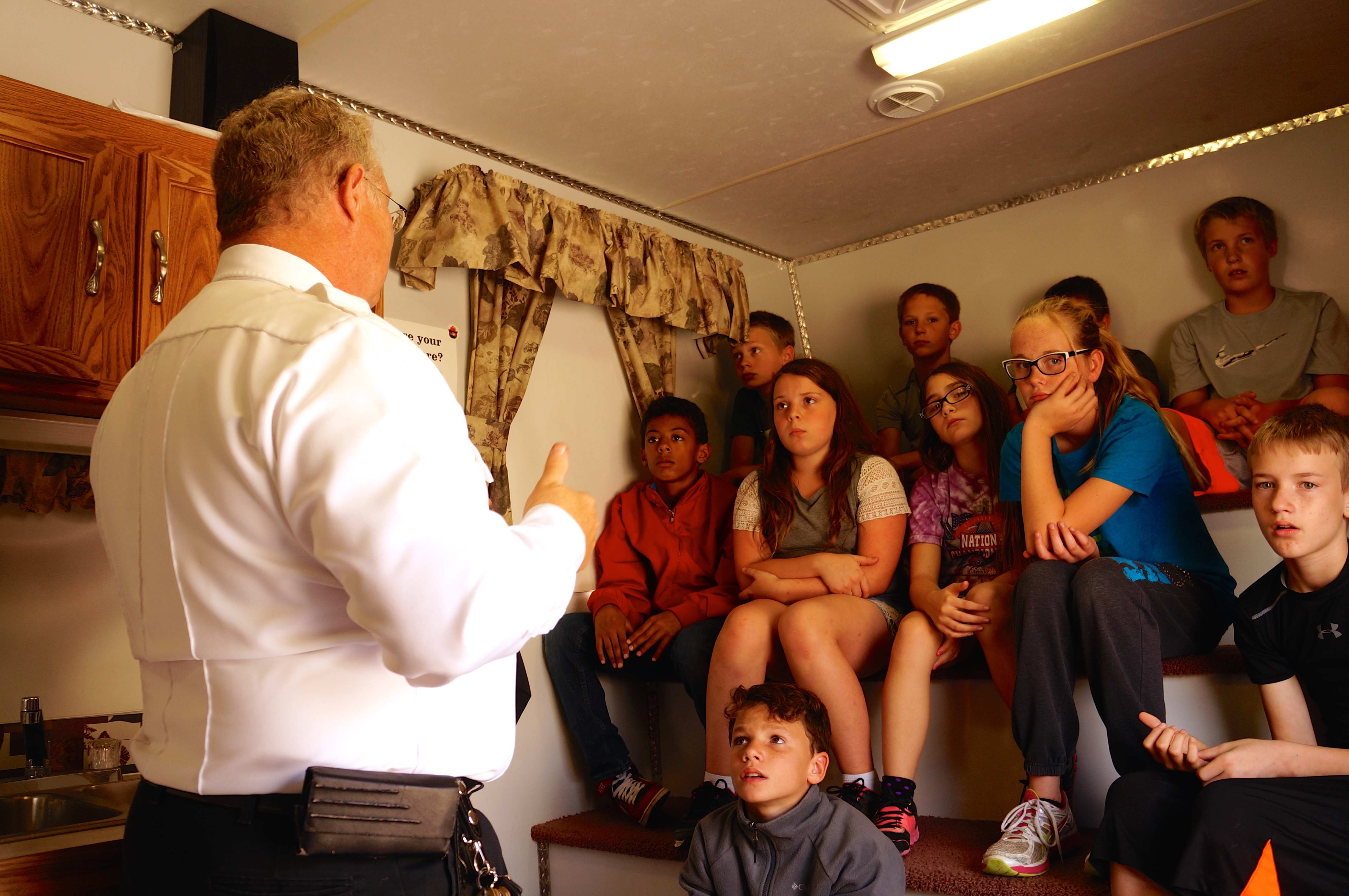
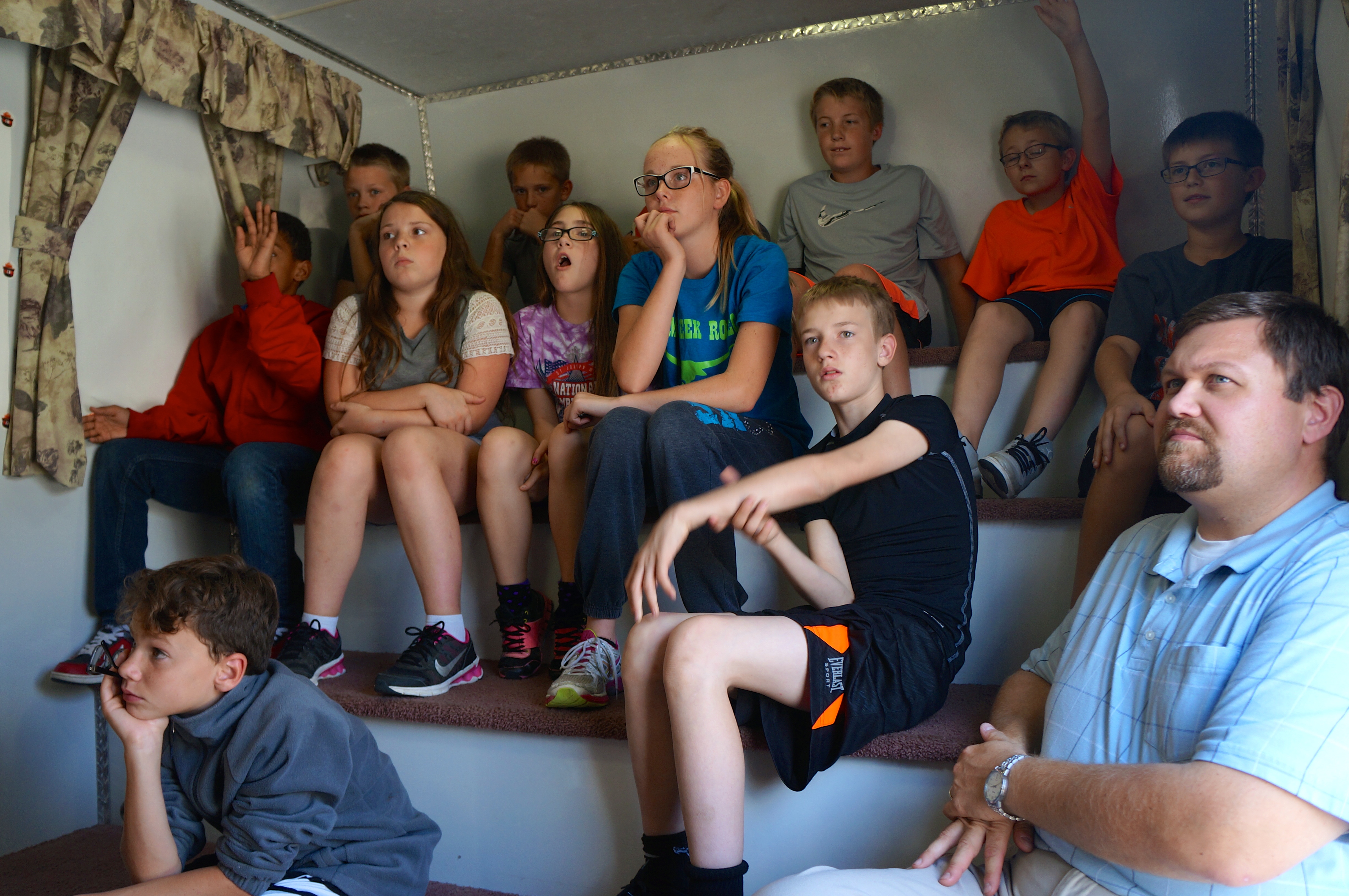
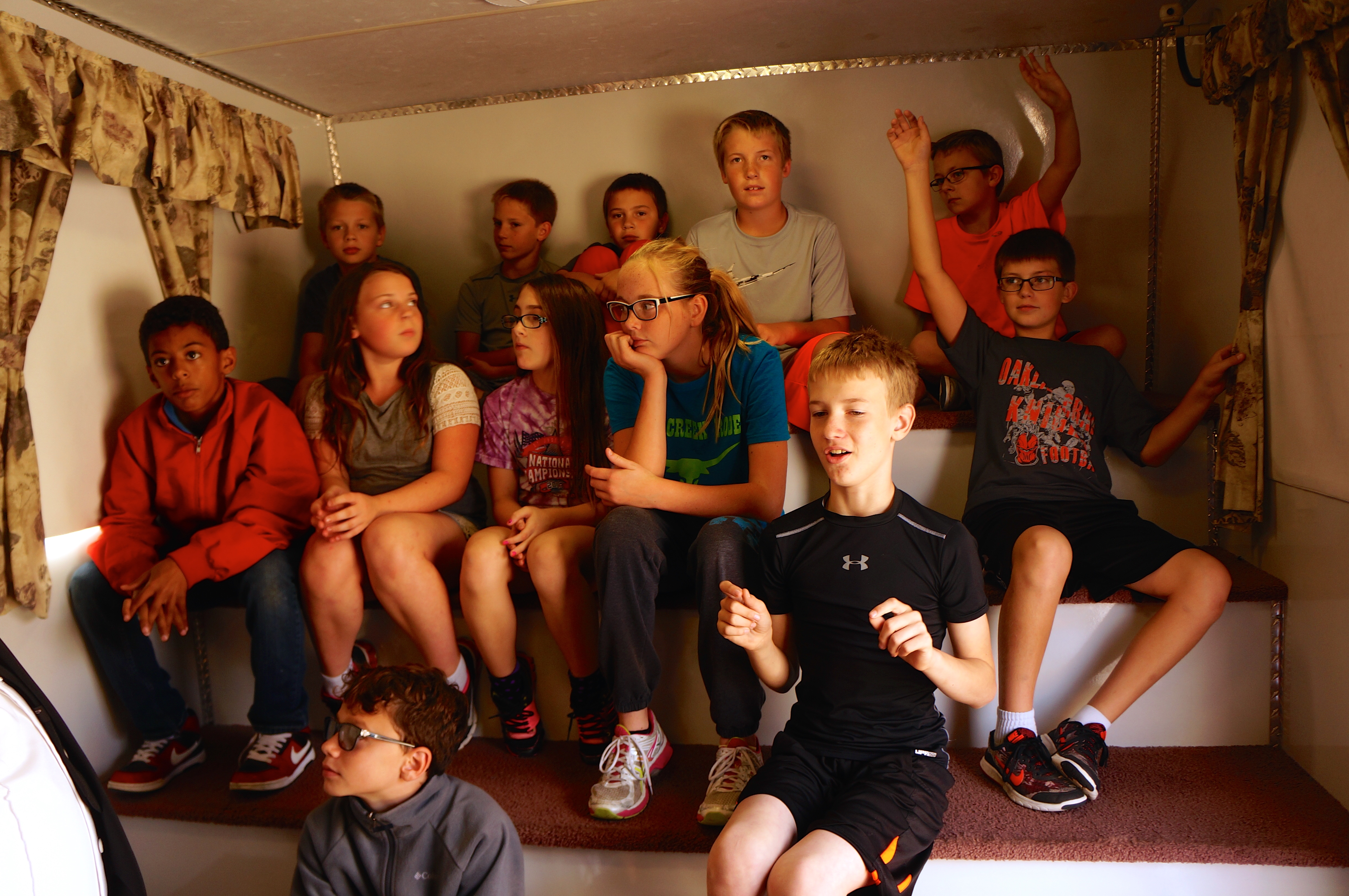
Oakland-Craig Elementary students were shown how to prevent fires through demonstrations conduced by State Fire Marshall Raymond Nance and the Oakland Fire and Rescue personnel during fire prevention week.

A fire prevention trailer, equipped with a model oven, stove, microwave and fireplace were visual aides during the demonstration. There was also a smoke alarm that can connect to wifi in the home, alerting the homeowners when the alarm goes off in other rooms. A message may also be sent to smartphones, alerting the homeowner that the smoke alarms are sounding so action can be taken immediately.

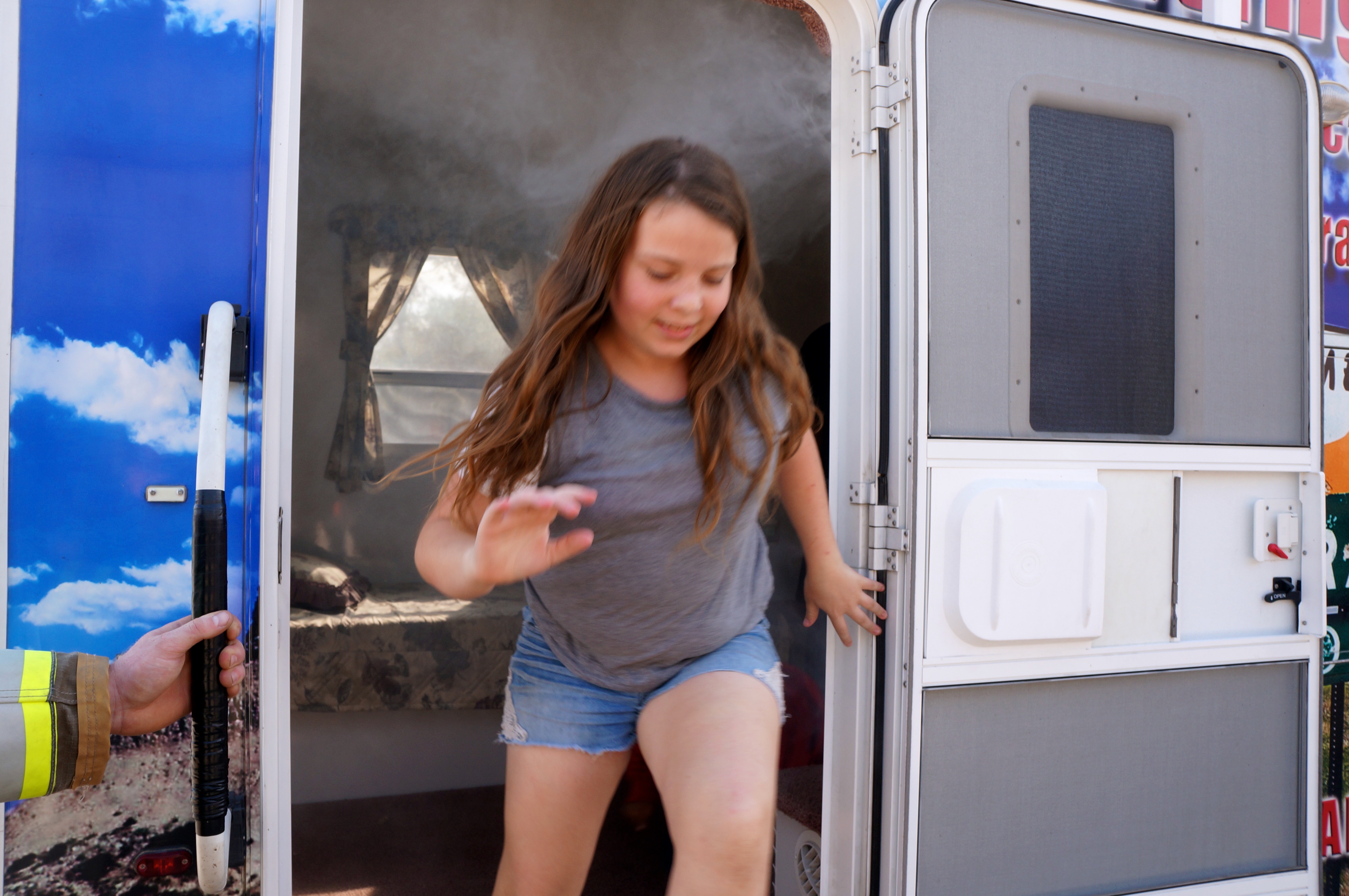
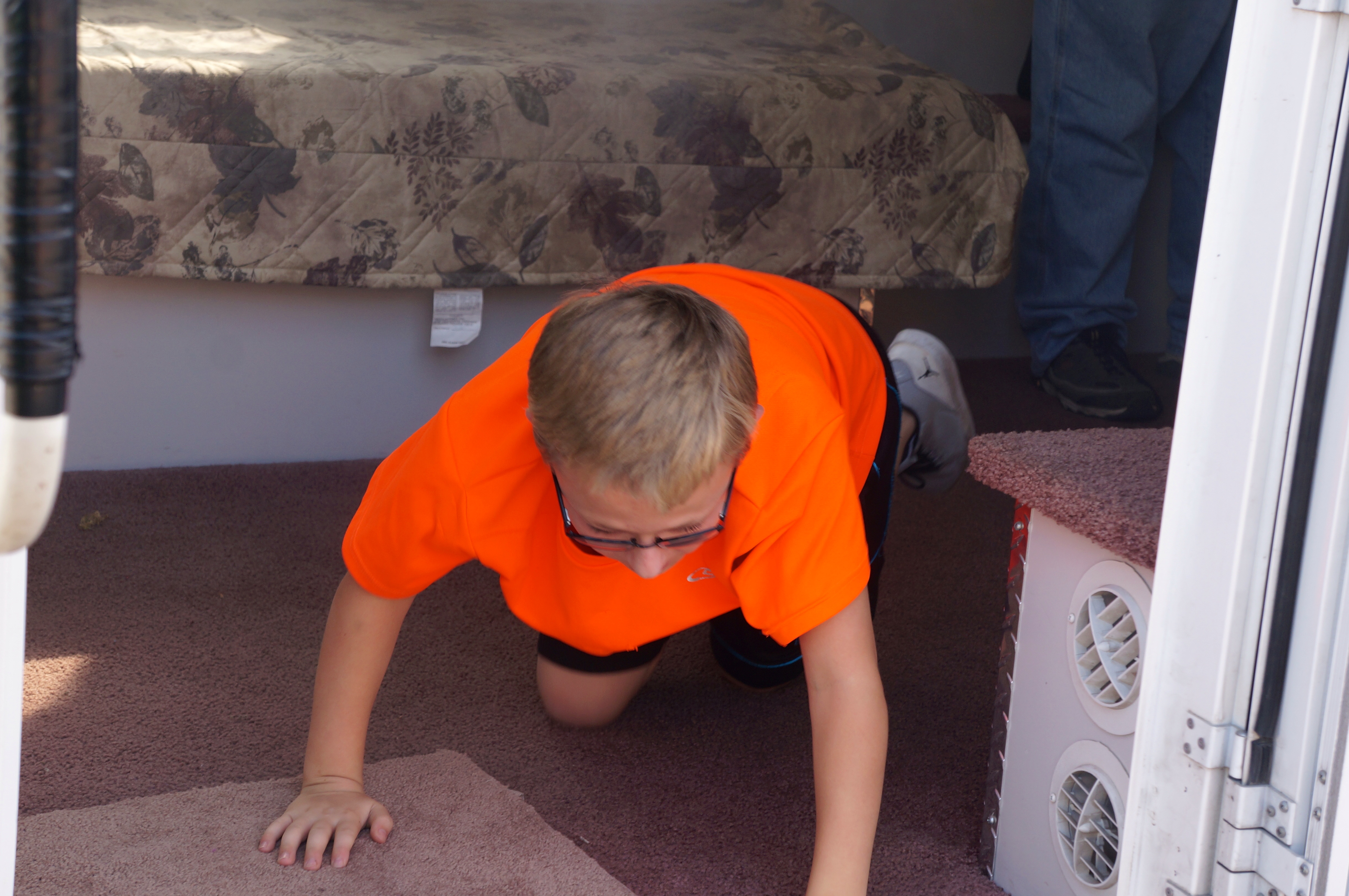
The trailer also has imitation smoke so the students could practice laying low, crawling to the nearest exit, to escape the fire.

Thank you to all of the volunteer firemen and women who are dedicated to protecting all of us. You are truly appreciated!

OC students learn about fire safety and escaping a fire during fire prevention week. All photos credit of Denise Gilliland, Editor and Chief, Kat Country Hub.

OC students learn about fire safety and escaping a fire during fire prevention week. All photos credit of Denise Gilliland, Editor and Chief, Kat Country Hub.

DSC07637 DSC07638 DSC07640 DSC07642 DSC07643 DSC07644 DSC07645

High Algae Levels Detected at Smith Lake


Hunters should be aware of high levels of blue-green algae that were recently detected at Smith Lake Wildlife Management Area in Sheridan County.

It is recommended that visitors to the lake, especially waterfowl hunters, avoid contact with the water and should not let dogs or other pets drink from the lake, as high levels of blue-green algae can be lethal if ingested. Non-contact activities such as boating, fishing and camping are not affected by this caution.

The area and lake are not closed to any activities, but visitors are encouraged to use caution when coming into contact with the lake water.

Setting the Policy Story Straight!


By Rachel Wise, District 3, Nebraska State Board of Education (October, 2015)

After a busy October Nebraska State Board of Education meeting, I have narrowed my article for this month to three topics. Two relate to board policy and one involves the vision and direction for the State Board.

In 2010, the Nebraska State Board of Education first adopted a policy for Coordinated School Health and reaffirmed it in 2013. Why is the Coordinated School Health policy important? The premise for this policy is that health children learn better. The policy supports the Coordinated School Health approach, which coordinates services and emphasizes partnerships with the overarching goal of promoting the physical, social and cognitive development of children leading to increased academic success. The policy also states that preventable health risk behaviors formed in childhood persist into adulthood and are frequently interrelated. The policy states: The Nebraska Board of Education believes that the education system, in partnership with families and communities, should work together to address these health risk behaviors which, if unattended, can lead to serious health problems and disabilities that are costly on families and the entire state of Nebraska.

I sometimes think that email and the Internet are like the old telephone game where one person whispers something to another person and the message continues around a group of people until, at the end of the line, you find out if the message was the same when it started.

Recently, a legislative hearing was held to gather information about the risky behaviors of youth. This hearing led some individuals to believe that there would be a push in the Legislature to mandate a sex education curriculum. Yes, this hearing involved a great deal of discussion about teen pregnancies and the epidemic of sexually transmitted diseases in some parts of Nebraska. Yes, people testified passionately about the need for youth to receive medically accurate information about sex and sexually transmitted diseases and people testified that the Legislature should not mandate curriculum to address these issues. The Nebraska State Board of Education has not and in my opinion, will not mandate a sex education curriculum. As stated in our policy, the State Board encourages each school and district to develop, adopt and implement a comprehensive plan for coordinated school health.

Onto the next topic. The Nebraska State Board of Education adopted in October its policy on Accountability for a Quality Education System, Today and Tomorrow (AQuESTT). Since 1953, the State Board of Education has had the statutory responsibility of being the evaluation body for the state school program. This policy states: The State Board believes that the opportunity to integrate components of accountability, assessment, accreditation, career education and data into a system of school improvement and support is imperative for the good of Nebraska students and for the state to have a vibrant and economically successful future.

The third topic important to the future of education in Nebraska is a step the State Board has taken to start down the pathway of strategic planning. The Board is seeking a vendor to facilitate its strategic planning process. The selected vendor will be expected to facilitate a process that leads to the development of a shared vision for the State Board, the Nebraska Department of Education and the state education system. This process will include setting goals, indicators and measures for the State Board, NDE and the education system as a whole. I believe the strategic plan will benefit not only the State Board and the Nebraska Department of Education but also local school districts, their communities and provide citizens with a clearer understanding of the vision and priorities for education in Nebraska.

This article represents my personal view, not that of the State Board of Education or my role as president. Feel free to contact me at rachel.wise@nebraska.gov. Search the Nebraska Department of Education website at http://www.education.ne.gov to learn more about education in our state.

Rachel Wise

Rachel Wise

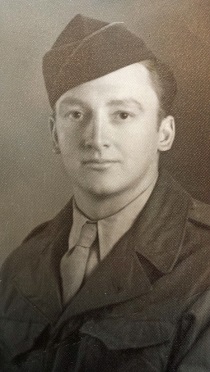
Roland Lee Shafer Jr., 90, of Tekamah NE


Source: Roland Lee Shafer Jr., 90, of Tekamah NE

Roland Lee Shafer Jr., 90, of Tekamah NE


Roland Lee Shafer Jr. passed away October 6th 2015 at home in Tekamah Nebraska.  Roland was born February 10th 1925 in Tekamah Nebraska.  He was the only son born to Roland Lee Shafer Sr. and Ethel Elizabeth (Coons) Shafer.

He graduated from Tekamah High School in 1943 and was united in marriage to Kathryn Louise (Simpson) Shafer May 22nd, 1944. To that union were born four children, Mike, Pat, Wendy and Matt.

He served in the United States Army Air Corp from June of 1943 to October of 1945 as an airplane armorer and gunner on a B-17 bomber in World War II.

After his years in the service, he devoted his life to raising his family and farming the family land in rural Tekamah Nebraska.  He enjoyed vacationing at the Lake of the Ozarks teaching his children to water ski, watching baseball and had an amazing love of animals.

He is preceded in death by his father, Roland Lee Shafer Sr.; mother, Ethel Elizabeth (Coons) Shafer; wife, Kathryn Louise (Simpson) Shafer.

He is survived by his children, Michael (Kathy Johnson), Martin Patrick (Harriet), Wendy Carlson (Doug), and Matthew; grandchildren, Chad, Doug, Carrie, Becky (Jeff), Julie (Scott), Jamy (Phil), Leigh (Shannon), Brandi, Kirby (Karla), Troy (Kristi); great grandchildren, Sidney, Olivia, Drew, Trenton, Erin, Maddy, Max, Macy, Kendall, Kambell, Tayler; many nieces, nephews and other family and friends.

FUNERAL SERVICE: Saturday, October 10, 2015, 3:00 pm, at the United Methodist Church in Tekamah

BURIAL WITH MILITARY HONORS: Tekamah Cemetery

VISITATION:  Saturday, one hour prior to service at the church.

MEMORIALS: To the family for designation at a later time.

Please feel free to send your condolences to the family.
Each condolence will be printed and given to the family after the service.

pelan@pelanfuneralservices.com
Roland Shafer

Roland Shafer

Gary Russell Rosenboom, 77, of Oakland NE


Source: Gary Russell Rosenboom, 77, of Oakland NE

Gary Russell Rosenboom, 77, of Oakland NE


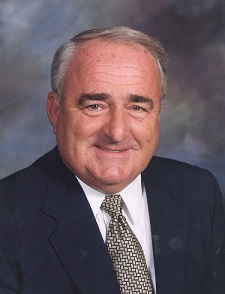
Gary Russell Rosenboom was born September 8, 1938 in Beatrice, Nebraska to Herman and Ruth (Wagoner) Rosenboom. He passed away peacefully surrounded by his family on October 7, 2015, at the age of 77 years.

Gary graduated from Oakland High School in 1956. He then graduated from the University of Nebraska at Lincoln with a Bachelor’s degree in Geology. On August 16, 1959, he married his high school sweetheart and love of his life, Karen Johnson, at First Evangelical Lutheran Church in Oakland.

He started working for Liberty Mutual Insurance Company in Indianapolis and then went on to a 30 year career at Valmont Industries in Valley, Nebraska and Fort Collins, Colorado.

Gary enjoyed life! He loved his family more than anything! He loved following his kids and grandkids in their many endeavors. He took a lot of pride in his home and providing for his family. He loved playing golf. A highlight for him was getting to play the Old Course at St. Andrew’s in Scotland. He was lucky to have been able to travel quite a bit with Karen all over the world. He especially loved the history of places. Even on vacations, there was always a history lesson included. This love has been passed on to his kids and grandkids.

He had an amazing gift for knowledge and an appreciation for establishing connections and keeping friendships. He was such a compassionate man and was amazing at fostering the best out of people. Gary’s singing was a gift to all who had the privilege of experiencing his deep soulful voice. When his spirit moved him, he would belt out a tune that brought smiles to everyone. When Gary Rosenboom spoke, everyone in the room stopped to listen. He had a wonderful ability to tell a story.

He was preceded in death by his parents, Herman and Ruth Rosenboom.

Survivors include his wife, Karen of Oakland; son, Greg (Lisa Janssen) of Lincoln, daughter, Amy (Tony Bybee) of Kansas City, son, Mike (Linda) of Des Moines; two sisters, Beverly Harris of California, and Gwendolyn Guill of Norfolk; nine grandchildren, Ashley and Matt Reisenauer, Amanda Rosenboom, Joshua Wormington, Lauren Wormington, Jacob Wormington, Griffin Rosenboom, Sydney Rosenboom, and Grace Rosenboom; one great-granddaughter, Ilsa Reisnauer; and many nieces and nephews.

FUNERAL SERVICE: Sunday, October 11, 2015, 2:30 pm, at the First Evangelical Lutheran Church in Oakland.

VISITATION: Saturday, 6-8 pm with family receiving friends at Pelan Funeral Services in Oakland. Visitation will also be held at the church one hour prior to service.

BURIAL: Oakland Cemetery.

MEMORIALS: To the family for designation at a later time.

Please feel free to send your condolences to the family.
Each condolence will be printed and given to the family after the service.

pelan@pelanfuneralservices.com

Gary Rosenboom
Gary Rosenboom

Family Awareness and Monitoring Diabetes Risk are Important


By Mary Loftis, Extension Assistant

Diabetes is a chronic illness, and so far there is not cure for it.  But with careful monitoring, a person with diabetes can maintain good health and live a full and productive life.


While there is still much that remains unknown about diabetes, one thing that is known is that diabetes has a genetic component.  That is, blood relatives of people with either Type 1 or Type 2 diabetes have higher-than average risk of developing the same type of diabetes as their family member.  People with a family history of Type 2 diabetes are also at risk for prediabetes, a condition in which blood glucose is higher than normal but not high enough for a diagnosis of diabetes.  Prediabetes is considered a risk factor for Type 2 diabetes and also for cardiovascular disease.


Women with a history of Type 2 diabetes in the family are at risk for gestational diabetes, a type of diabetes that can occur during pregnancy (usually between the 24th and 28th week.)  Additionally, women with a history of gestational diabetes are at increased risk for developing Type 2 Diabetes and children whose mothers had gestational diabetes while pregnant with them are at increased risk for obesity and Type 2 Diabetes.


While you cannot change your family history knowing your family history, knowing that you have a family history of diabetes allows you to be proactive about monitoring your health and, if there’s Type2 diabetes or gestational diabetes in your family, lowering your risk.


During the November 9 session of “Control Diabetes for Life” we invite you to learn how important it is to share your family history of diabetes with your family members and medical team.  The program will help you learn how to protect your family members and what information to share with your medical team.  During the program you will also learn now making healthful eating and staying active as a family a high priority will help in prolonging the development of diabetes.  Healthy eating and staying active benefits your entire family.    Feel better and stay healthy for years to come by exercising and lowering your blood glucose level.

The program “Control of Diabetes for Life” will be held on Monday November 9 from from 7:00 – 9:00 p.m. in the Tekamah Herman High School distance learning classroom.

“Control Diabetes for Life”, is a program to help participants learn to control diabetes and prolong the onset of complications. The program is a joint project, sponsored by University of Nebraska-Lincoln Extension, Franciscan Care Services of West Point and cooperating schools, and is offered free-of-charge.

Participants are asked to pre-register for “Control Your Diabetes for Life” by calling the Nebraska Extension office in Burt County at 402-374-2929. Please register by Friday November 6, so the proper number of handouts may be prepared. The Nebraska School Food Service Association has approved this session for two hours of continuing education credits for food service staff attending.

Control your diabetes for life! Start by attending the November 9 distance education program.


Estimating Corn and Soybean Yields


By John Wilson, Extension Educator

Each year about this time I get calls from farmers wanting to estimate their yields and each year I look it up, print off a sheet or two, put it in the mail or try to explain it to someone over the phone. I struggled with math in school when it was on a paper in front of me so trying to explain it over the phone is really stretching my comfort zone… and the person on the other end of the line’s ability to comprehend what I’m trying to explain.

Anyway, if you google it, there are dozens of websites that detail various methods on how to do this. I’m going to try to summarize a couple of those that I thought were easier to follow here. I must give credit to my colleagues at Purdue for this information.


Estimating Corn Yields

  1. Calculate the row length in 1/1,000th of an acre. Divide 43.56 by the row spacing (in feet) to get the feet of row in 1/1,000th of an acre. For 30″ row spacing (2.5′), that’s 17′ 5″ of row. (43.56/2.5 = 17.4′ or 17′ 5″)
  2. Count and record the number of ears on the plants in the 1/1000th acre of row that you deem to be harvestable. Don’t count nubbins, dropped ears, or severely lodged plants the combine won’t get.
  3. For every fifth ear in the 1/1,000th of an acre, record the number of complete kernel rows per ear and average number of kernels per row. Then multiply each ear’s row number by its number of kernels per row to calculate the total number of kernels for each ear.
  4. Calculate the average number of kernels per ear by adding the number of kernels for all the sampled ears and dividing this total by the number of ears.
  5. Estimate the yield for each site by multiplying the number of ears (#2) by the average number of kernels per ear (#4). Here comes the tricky part! Divide this total by an estimate of the number of kernels per bushel.

On average, a bushel of corn with a test weight of 56 pounds and 15.5% moisture would have about 85,000 kernels per bushel. Since our calculation is for 1/1000th of an acre, divide by 85. This number can vary greatly depending on the growing conditions and hybrid genetics. It might be as low as 65,000 or as high as 100,000 kernels per bushel (divide final figure by 65 to 100).

For example, assume you had 30 harvestable ears in 1/1,000th of an acre; had an average of 510 kernels/ear on the ears your counted; and you assumed the kernel size was average. Your estimated yield would be 180 bu/A [30 ears x 510 kernels/ear = 15,300 / 85 (factor) = 150 bu/A]

  1. Repeat this process at several representative spots in the field to get a better estimate for the yield in that field.


Estimating Soybean Yields

  1. Count the number of pods in 1/10,000th of acre. If in 30″ rows, count the pods on plants in 21 inches of one row, for 15″ row spacing count the pods on plants in 21″ of two rows; for 10″ row spacing count the pods on plants in 21″ of three rows; and for 7.5″ row spacing count the pods on plants in 21″ of four rows.
  2. Estimate an average number of seeds/pod. A good starting point is to estimate 2.5 seeds per pod, then increase or decrease that average by your observations in the field.
  3. Calculate the number of seeds in 1/10,000th of an acre by multiplying the number of pods (#1) by the average number of seeds per pod (#2).
  4. Estimate your yield by dividing the number of seeds in 1/10,000th of an acre by a seed size factor. For averagesize soybean seeds (3,000 seeds/pound), divide by a factor of 18; for large soybean seeds (2,500 seeds/pound), divide by a factor of 15; for small soybean seeds (3,500 seeds/pound), divide by a factor of 21.

For example, if you estimated 360 pods in 1/10,000th of an acre; an average of 3 seeds per pod; and you estimated the seed size to be average, your estimated yield would be 60 bu/A. [360 pods x 3 seeds/pod = 1,080 / 18 (factor) = 60 bu/A]

  1. Repeat this process at several representative spots in the field to get a better estimate for the yield in that field.

Oakland-Craig Takes Down Stanton, no Game This Week


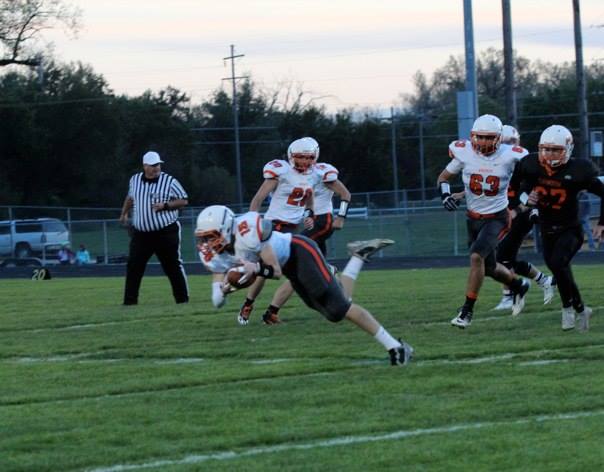
The Oakland-Craig Knights blew past Stanton last Friday night 33-14 in a thriller for the OC fans.

“This was a big win for our team. The guys really prepared well and came out ready to play.  We were able to jump on them early in the 1st quarter, which took them out of some of the things that they like to do.” stated OC Head Coach Joe Anderson. “I thought our line did a good job up front which allowed Hoss and Cole to have big nights on the ground.” 

There won’t be a game this week, as Laurel-Concord forfeited this week’s game to the Knights.

“Unfortunately, we don’t get to get back out there and play this week. We will try to use this week to heal up some of our injuries and work a lot on some fundamental things that we are doing wrong,” Anderson said.

OC quarterback Cole Mitchell had a great night against Stanton. Photo Credit/Cheri Droescher.

OC quarterback Cole Mitchell had a great night against Stanton. Photo Credit/Cheri Droescher.

OC's Tommy Nelson makes a great catch in the game against Stanton. Photo Credit/Cheri Droescher

OC’s Tommy Nelson makes a great catch in the game against Stanton. Photo Credit/Cheri Droescher