Good luck LDNE football team!
September 13, 2013 Leave a comment

Photo Credit/Denise Gilliland, Editor and Chief, Kat Country Hub.
Northeast Nebraska's dependable news source
September 13, 2013 Leave a comment
Photo Credit/Denise Gilliland, Editor and Chief, Kat Country Hub.
September 13, 2013 Leave a comment

Photo Credit/Denise Gilliland, Editor and Chief, Kat Country Hub.

September 13, 2013 Leave a comment
Here are some possible reasons Friday the 13th started. Mind you, it is just speculation that I was able to find on the internet, it is not fact. Do you believe bad things happen on Friday the 13th? Let me know!
First and foremost, the Last Supper’s 13th guest (and last apostle), Judas, supposedly betrayed Jesus. Then, His Crucifixion occurred on a Friday. Some scholars also believe Eve tempted Adam on a Friday.
Also, Babylon’s ancient Code of Hammurabi skips number 13 when listing laws. Egyptians considered the afterlife the 13th phase of life.
But the number thirteen’s cursed beginnings fall outside the rise of Christianity, too. A similar story occurs in Norse mythology. The 11 closest friends of Odin, the father of all gods, chose to dine together when Loki, the god of evil and chaos, crashed the party. One of the gods, Balder, the god of joy and happiness, died that evening.
Much later, King Philip IV of France certainly didn’t help by ordering the persecution of the Knights Templar on Friday, October 13, 1307. In the following years, several thousand faced torture and execution.
If those tales don’t convince you, math also has a stake in why people get bad vibes from the number thirteen. First, 12 appears a lot in our culture — 12 months in a year, 12 hours on a clock, 12 signs of the zodiac, 12 apostles of Jesus. We love 12.
12 is a “pseudoperfect” number, according to Wolfram. The sum of some of its divisors equals the whole number. For example, 1, 2, 3, 4, and 6 go into 12. Both 2+4+6 and 1+2+3+6 equal 12.
On December 12, 2012, a boy in Alabama turned 12 at 12:12 p.m. People started calling him everything from “the chosen one” to a sign of the impending apocalypse.
Thirteen has a tough act to follow.
Regardless of where, when, or how this superstition started, we’ve perpetuated our own fear. “If nobody bothered to teach us about these negative taboo superstitions like Friday the 13th, we might in fact all be better off,” Stuart Vyse, psychology professor at Connecticut College in New London, told National Geographic.
Read more: http://www.businessinsider.com/history-of-friday-the-13th-2013-9#ixzz2en801hRW
September 13, 2013 Leave a comment
Homecoming week 2013 will begin on Sunday with painting the windows at the school and local businesses.
School organizations have been busy planning activities for the week as our theme suggests, we want to “Keep the Cougar Spirit Alive”. Dress up days will begin on Monday with Duct Tape Day, Tuesday – Twin Day, Wednesday – Class Color Day, Thursday – Throw Back Thursday Day, and Friday – Cougar Spirit Day.
Congratulations to this year’s senior class royalty: Haley Bacon, Hannah Christiansen, and Alexis Totten, Alex Brehmer, Dakota Riecken and Bobby Simpson. King and Queen will be crowned on Monday night at 7:30 followed by a pep rally. Wednesday at 2:30 all students and staff will be participating in a Cancer Walk and Friday afternoon we will be showing our Community Spirit from 1:00 – 3:00; working in the communities.The pep rally will follow.
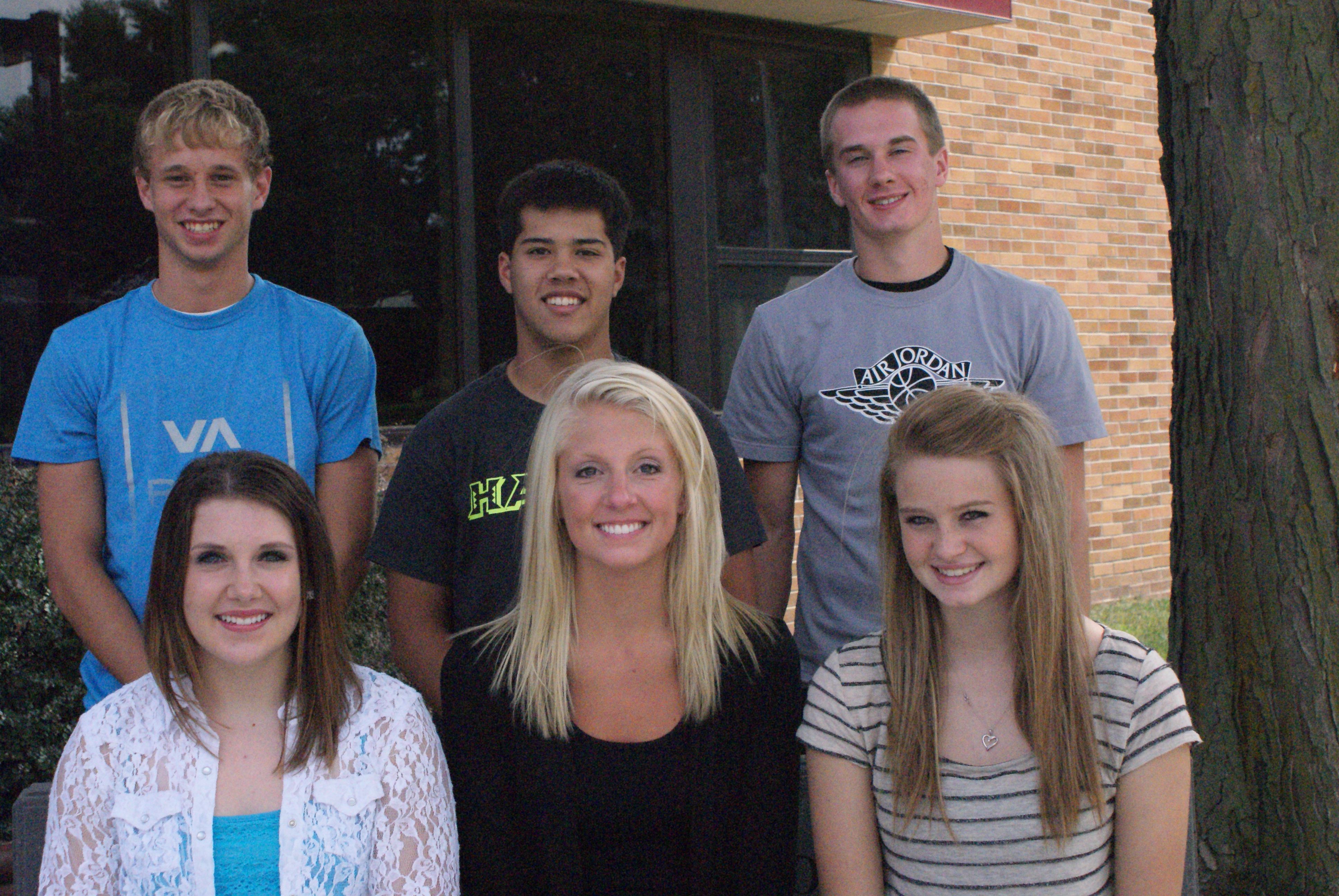
LDNE homecoming royalty 2013: Front row from left, Haley Bacon, Hannah Christiansen and Alexis Totten. Back row, from left, Alex Brehmer, Bobby Simpson and Dakota Riecken. Photo Credit/Pat Sharp, LDNE.
After the football game vs Osmond students will have fun and food in the gym. Help us celebrate with our outstanding students and staff and show our Cougar pride. You will see Cougar Prints everywhere!
September 13, 2013 Leave a comment
Rachel Wise, District 3, Nebraska State Board of Education (September, 2013)
Accountability 101
Last month I described some of the information that will be found in the Nebraska State of the Schools Report when it is released September 27th. This month I want to use my pen (well, actually it would be the keyboard) to write about accountability from a broader perspective. Nebraska schools and school districts are first and foremost accountable to their local communities, school boards, taxpayers, parents and, most importantly, students. However, they are also accountable to the state and federal government.
In 2001 the accountability stakes were raised at the federal level. No Child Left Behind (NCLB) spelled out accountability requirements that local school districts and states needed to report in reading, math and graduation rates. These reporting requirements are labeled Adequate Yearly Progress or AYP. Jumping ahead to 2014, the federal expectations are that all students in grades 3-8 and one grade in high school will demonstrate 100 percent student proficiency in reading and math, as measured by state tests. Title I schools (schools receiving federal funds) that do not meet the federal performance benchmarks are identified as schools needing improvement and certain expectations are placed on these schools. If Title I schools needing improvement do not meet benchmarks for two consecutive years, then specific “corrective action” is required in those schools. So, why is all of this important? We are now into the 2013/2014 school year and there is a federal expectation that 100% percent of Nebraska students will be proficient in reading and math. This is certainly an admirable goal, but is it realistic? In my opinion, NO! These are the federal rules that our schools must follow until Congress reauthorizes the Elementary and Secondary Education Act (already 7seven years past due for reauthorization) or Nebraska is given some flexibility relative to the federal reporting requirements.
So, what about accountability at the state level? The Nebraska State Board of Education has been working with the Nebraska Legislature since 2011 to establish a Nebraska accountability system. In 2012, the Legislature enacted LB 870 requiring the State Board to establish multiple measures including graduation rates along with student growth and improvement scores on state tests. The Nebraska Performance Accountability System (NePAS) was established by the Board in August 2012, and like federal AYP is based on results from state tests and graduation rates. Some differences between NePAS and AYP include: AYP assigns designations to every school building, according to the grade levels housed in the building, and to every district; NePAS gives rankings based on grade-level configurations–Grades 3-5, Grades 6-8, and Grades 9-12 — and overall district rankings based on Grades 3-12; AYP includes the performance of subgroups in its designations; NePAS does not include subgroup performance. Does this sound a little confusing? It is! In my opinion it is confusing to schools, parents and communities trying to understand how their schools and students are performing.
Over the next few months, the State Board of Education, in partnership with the Nebraska Legislature and key stakeholders statewide, will continue to develop a vision for one integrated accountability system that focuses on individual student growth and school improvement in reading, math, science and graduation rates that meets the needs of Nebraska and federal reporting.
Last month I provided an update on the alignment study conducted by McREL on the Nebraska language arts standards. This month the report on mathematics was finalized and released. Several discrepancies in standards, rigor and sequencing were found between the Nebraska mathematics standards and the Common Core. One key difference is in the sequencing which determines when topics or concepts are taught. For example, the Common Core identifies adding fractions as a standard for 3rd grade. The Nebraska mathematics standards introduces adding fractions as a concept in the 4th grade. The results of the study between the Nebraska math standards and the Common Core will be one of the pieces of information used over the next several months by Nebraska post-secondary educators, K-12 teachers, administrators, and the public, as they review the current Nebraska mathematics standards and consider possible revisions to ensure that Nebraska standards prepare students to be college and career ready. For more information please search the Nebraska Department of Education website at www.education.ne.gov .
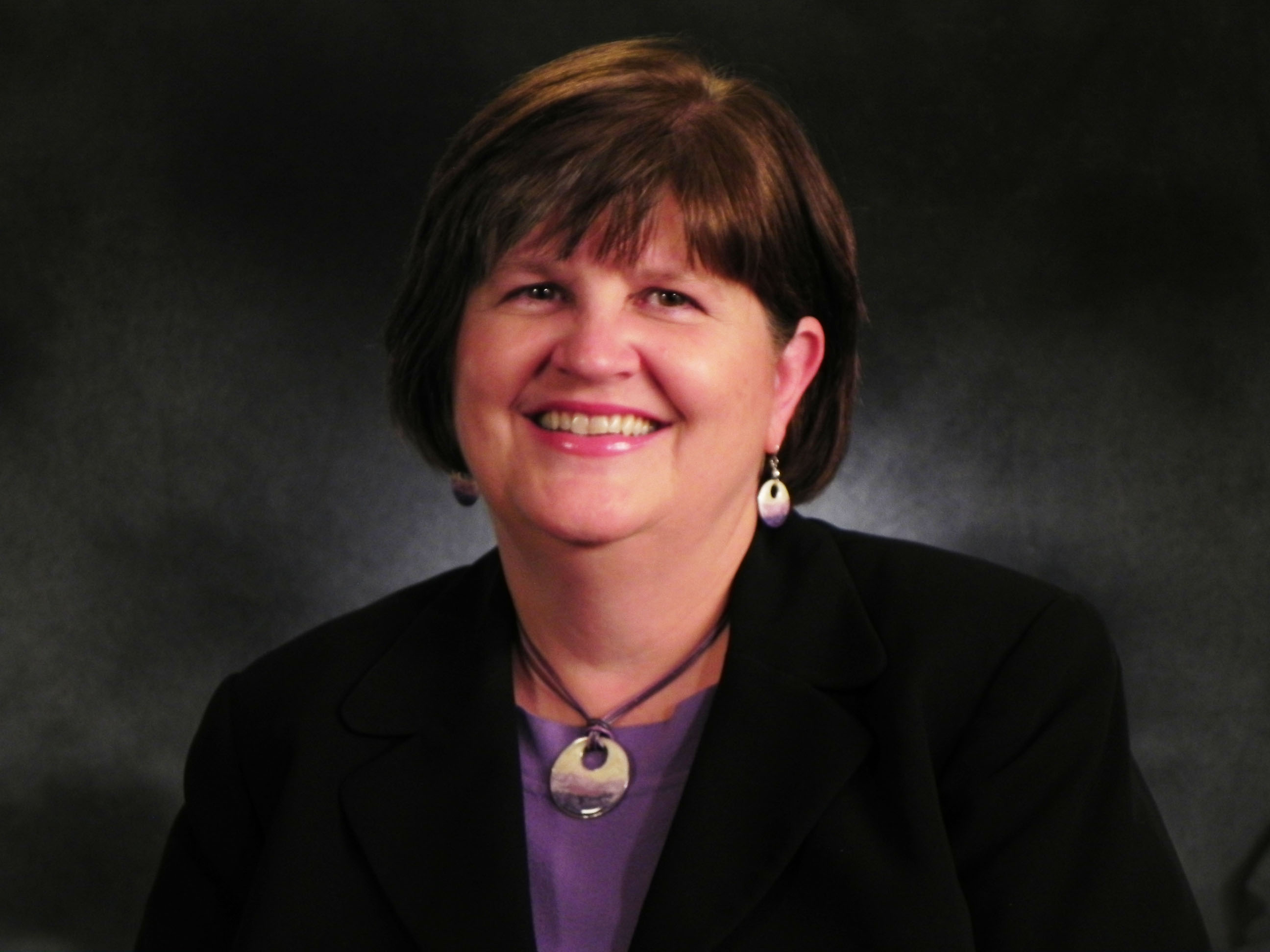
Rachel Wise
September 12, 2013 1 Comment






September 12, 2013 Leave a comment
On Sunday, September 29, 2013, at 2 p.m. singer/songwriter Michael McDonald will be performing on the grounds of the Decatur Museum.
Through original songs and stories, McDonald leads a lively celebration of the challenges and adventures faced by Lewis and Clark’s Corps of Discovery. His program focuses on the Irish and Scots-Irish heritage of members of the great river expeditions and mountain men. Sgt. Charles Floyd and young George Shannon figure prominently in his program.
By Norma Farrens
The program is free and open to the public and refreshments will be served after the performance. Free will offerings will be accepted. Guests are encouraged to bring lawn chairs though some seating will be provided. Visitors may tour the main and second floors of the museum where an exhibit on area schools is on display. In case of inclement weather the program will be moved inside the museum.
McDonald hails from Yankton County, South Dakota, growing up on a couple of farms with six brothers and a sister. He is a Vietnam era veteran, a graduate of the University of South Dakota, and is retired from the U.S. Postal Service. He and his wife, Deb, have three children and two grandchildren and live in Yankton.
The program is made possible by Humanities Nebraska and is one of approximately 300 programs offered the Humanities Nebraska Speakers Bureau.
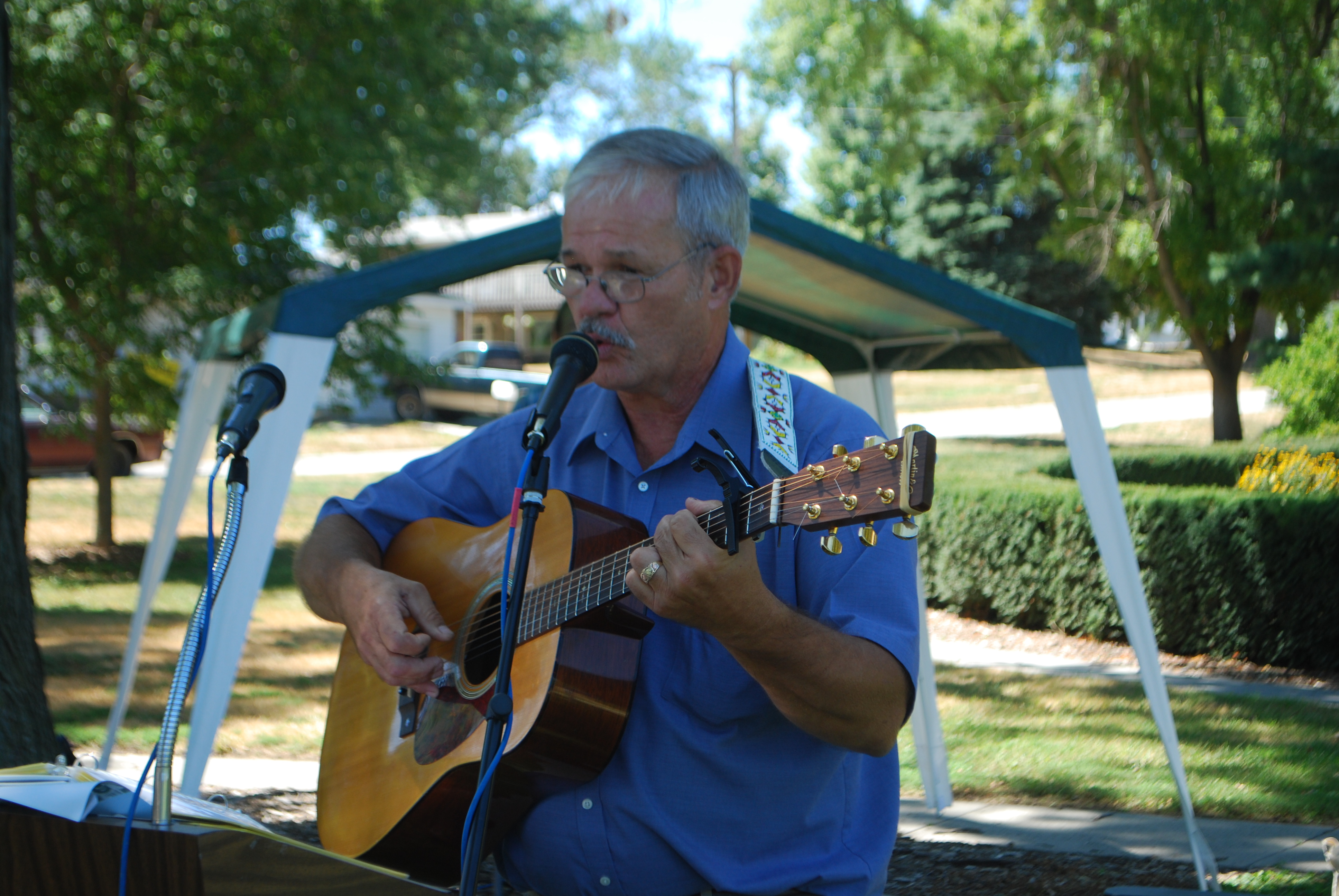
Michael McDonald
September 12, 2013 Leave a comment
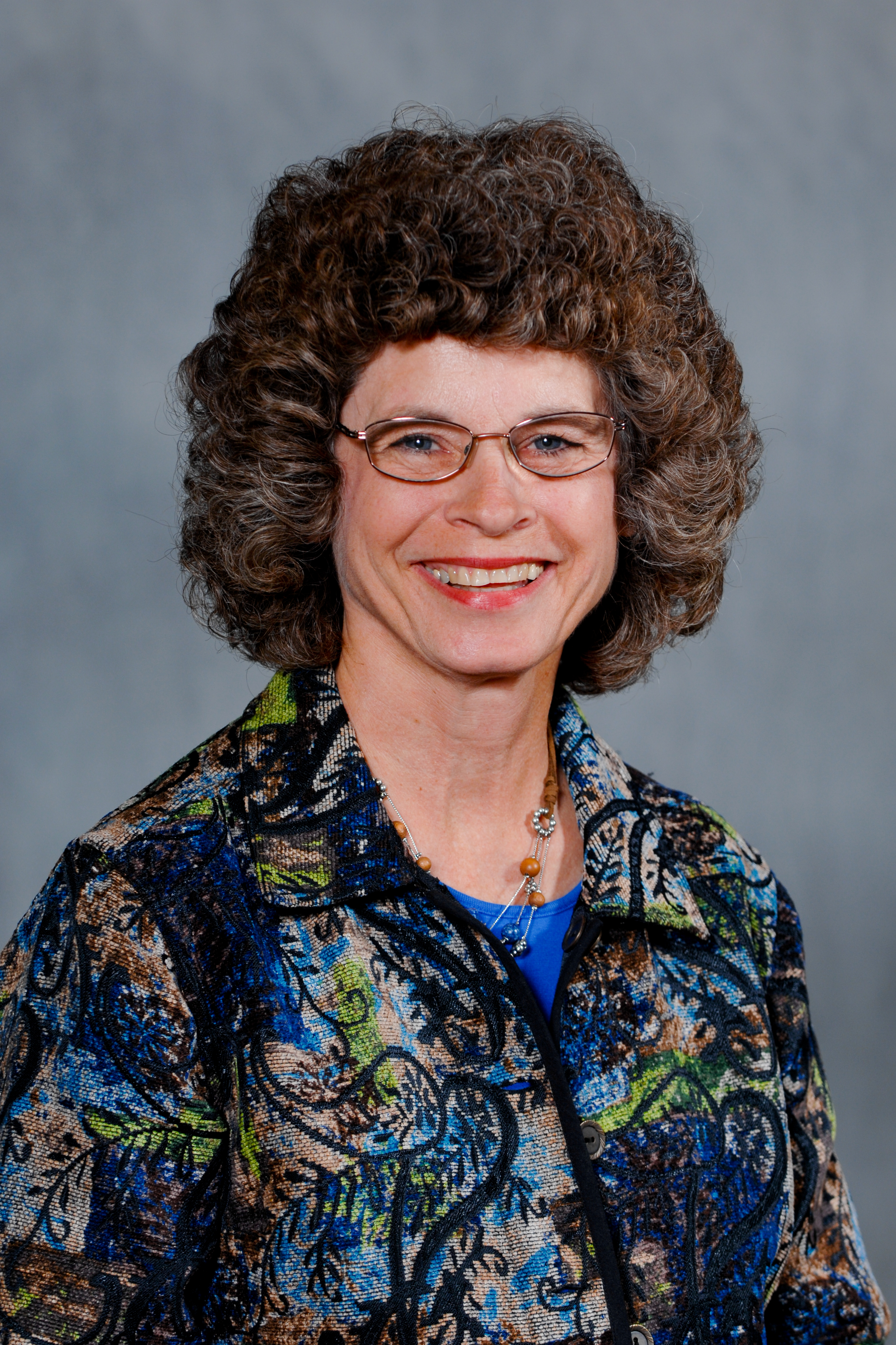
Mary Loftis
Personal Column
Mary Loftis
UNL Extension Assistant
September 4, 2013
State Fair Special Recognition Highlights
The Nebraska State Fair passed mostly as a very hot and humid memory, but thankfully the final weekend tempered weather-wise. But the weather wasn’t the only hot thing going on in Grand Island…our Burt County 4-H members were pretty HOT too!
Special recognition certificates highlighting some area of excellence in the particular exhibit were given to six of our 4-H members for nine entries. Included in this list are:
Michael Bracht of West Point on his Robot Programming Notebook. It was recognized for “Clear purpose and the project having baseplate and instructions for display.”
Leia Farrens of Tekamah for her Community Service Activity. The exhibit was a poster highlighting how she decorated themed Christmas trees in the Burt County Museum for 6 years.
Greta Lindberg of Tekamah received two Special Recognition Certificates. One was for the Service Quilt she made for Cancer awareness with flip flop sandals having the different colored cancer awareness ribbon colors as the toe piece on the flip flops. She was noted for her design idea.
Greta’s second special recognition was for her Clothing Level II shorts and top for excellent top stitching.
Brent Miller of Lyons also received two special recognition certificates. One was for his rocket, noting it was an “outstanding exhibit in all aspects.”
His second recognition is even more special as it comes with a $100 special cash award from the Nebraska Rural Electric Association. This was for his electric supply toolkit which was the Top Exhibit in the Class.
Layne Miller of Lyons was recognized for his model rocket for “Great paint and decals.”
Nick Bohannon of Tekamah was recognized in two special presentation contest areas. He gave a presentation on robots in the Premiere Presentation Division and received a $50 cash award from the Nebraska Department of Agriculture. In addition he entered the brand new Teaching Presentation Division and was named one of the top two presenters and received a $25 cash award from Farm Credit Services of America.
Jenna Bromm of Oakland had a highlight experience in the livestock arena when she earned Reserve Grand Champion honors in the Senior Division of the 4-H Swine Showmanship Contest.
In other livestock highlights Madisen Durre of Craig showed the Reserve Champion Middleweight Meat Goat.
Britney Stevenson of Oakland showed the Champion Meat Breed Breeding Ewe, while her sister Rylee had the Reserve Champion All Other Breeds Market Lamb.
Layne Miller of Lyons showed the Champion White Faced Market Lamb.
We are very proud of all our 4-H members and how they and their exhibits did at the State Fair. Hopefully I didn’t miss anyone on the special recognition list because all our 4-H members are special to me and I want to highlight their accomplishments in every way.
This lengthy list of special recognition and awards just shows how HOT our 4-H members were at the state fair this year, hopefully they don’t cool off too long before starting another successful 4-H year.
Mary Loftis,
Extension Assistant
UNL Extension – Burt County
111 North 13th Street, Suite 6
Tekamah, NE 68061
Phone: (402) 374-2929
Fax: (402) 374-2930
Internet: mloftis2@unl.edu
September 12, 2013 Leave a comment
Mary Loftis
Personal Column or News Release
Mary Loftis
UNL Extension Assistant
September 5, 2013
Medicare Recipients Plan for Prescription Drug Plan Race
On your mark…get set…GO! The race to compare and select a Medicare Prescription Drug Plan for 2014 is nearly here. Open enrollment for the Medicare Prescription Drug Program is October 15-December 7 again this year. In order to complete the race successfully you need to make advance preparations just like you would train for a foot race in track.
Here are some training tips to help make you successful in your quest to win the race and find the best and least expensive drug plan for 2014:
That means come to the starting line prepared to win. Medicare recipients usually receive a lot of mail this time of year. Knowing what to read and what to recycle can sometimes be a challenge. If the information comes from Social Security or the Centers for Medicare and Medicaid (CMS) you will want to read and keep this information. Remember, Social Security and Medicare will not call you unless you have made contact with them and have requested help from them. Do not let anyone talk you out of your Medicare number and information. Scammers get rich off the Medicare program, don’t be a victim. In some cases you have to reapply each year to continue to receive Medicaid benefits or prescription drug assistance. You won’t want to miss those deadlines.
If you receive information from your current prescription drug plan it would be wise to read it also. This will most likely be an update on their program, costs and changes for the next year. However, just because a prescription drug plan has been “your plan” in the past, it does not mean you have to stay with them. The Medicare Prescription Drug Program allows its members to change drug plans every year with no penalty. That way you will get the prescriptions you need for the least amount of money.
Make your preparations to compare prescription drug plans. You can
get help with this in several ways:
A. You can go on-line to: www.medicare.gov and compare drug and health plans by working your way through the website. If you or a family member or friend needs step by step directions on how to do that you are welcome to call or stop by the UNL Extension Office in Burt County at 402-374-2929 and ask for the Medicare Prescription Drug Computer Help Sheet.
B. You can also call the Medicare Hotline at: 1-800-MEDICARE (1-800-633-4227). After going through the voicemail system you can tell the telephone consultant what prescriptions you are taking along with all your personal information. They will be able to tell or send you a comparison showing which plan offers you the best coverage for your needs from all 30+ Medicare Prescription Drug Plans offered in Nebraska for 2014.
C. Your third and possibly best option to get set for the race is to make an appointment at one of the Medicare Open Enrollment Comparison Events offered in Burt, Dodge and Washington Counties. The Senior Health Insurance Information Program (SHIIP) trains volunteers to assist Medicare recipients compare prescription drug plans. They do not receive any commission from the drug companies and are only looking out for your best interests as they compare your prescription needs to all the plans available this year.
Between October 15 and December 7 make sure you GO to the computer,
GO to the phone or GO to a Medicare Open Enrollment Comparison Workshop
to make sure your prescription drug plan fits you the best for the least amount of
money. Check out the dates and locations (listed below) and call for an
appointment for the time, date and location most convenient to you. Other SHIIP
enrollment events may be found by calling the Nebraska SHIIP number at:
1-800-234-7119.
Don’t have a false start called against you by trying to enroll in a different
plan before October 15. Make sure you finish the race before December 7 so
you know you have the Prescription Drug plan that will serve you the best for the
least money next year. That is the best way to win the race for yourself and/or
your loved one.
Now you have the information you need to enter and win the race to select a Medicare Prescription Drug plan for 2014. On your mark…Get set…GO!
2014 Medicare Open Enrollment Comparison Workshops:
Coordinated by Mary Loftis, UNL Extension Assistant & SHIIP Volunteer
Anyone in any community or county is welcome to attend any of these sessions, however reservations should be made by calling the UNL Extension office in the host county.
Burt County Call: 402-374-2929
Thursday, October 17 – 9:00 a.m. – 8:00 p.m.
Orville and Willa Chatt Senior Center – 1124 S. 13th Street, Tekamah
Monday, October 21 – 9:00 a.m. – 8:00 p.m.
Orville and Willa Chatt Senior Center – 1124 S. 13th Street, Tekamah
Friday October 25 – 9:00 – Noon.
Lyons Public Library, 305 Main St., Lyons
Tuesday, October 29 – 9:30 a.m. – 2:00 p.m.
Sears Senior Center – 8th and Broadway, Decatur
Wednesday October 30 9:00 – Noon
Lyons Public Library, 305 Main St., Lyons
Wednesday October 30 – 3:30 – 5:30 p.m.
Tekamah-Herman Computer Classroom #106, 112 N. 13th Street, Tekamah
Thursday, October 31 – 9:00 a.m. – 3:00 p.m.
Oakland Public Library, 500 North Oakland Ave., Oakland
Friday, November 1 – 12:30 – 4:30 p.m.
Craig Fire Hall – 333 Main Street, Craig
Wednesday, November 6 – 9:00 – Noon
Lyons Public Library, 305 Main St., Lyons
Wednesday, November 6 1:00 – 5:00 p.m.
Sears Senior Center – 8th and Broadway, Decatur
Thursday, November 21 – 9:00 a.m. – 8:00 p.m.
Orville and Willa Chatt Senior Center – 1124 S. 13th Street, Tekamah
Washington County Call: 402-426-9455
Wednesday, October 23 – 9:00 a.m. – 3:00 p.m.
Washington County Extension Office, 597 Grant Street, Blair
Thursday, October 24 – 9:00 a.m. – 3:00 p.m.
Washington County Extension Office, 597 Grant Street, Blair
Dodge County Call: 402-727-2775
Monday, October 28 – 1:00 – 5:00 p.m.
North Bend Library, 110 E 13th St. North Bend, Heritage Room
Thursday, November 7 – 9:00 a.m. – 3:00 p.m.
Dodge County Extension Office, 1206 W. 23rd Street, Fremont
Friday, November 8 – 9:00 a.m. – 3:00 p.m.
Dodge County Extension Office, 1206 W. 23rd Street, Fremont
Mary Loftis,
Extension Assistant
UNL Extension – Burt County
111 North 13th Street, Suite 6
Tekamah, NE 68061
Phone: (402) 374-2929
Fax: (402) 374-2930
Internet: mloftis2@unl.edu
September 12, 2013 Leave a comment
News Column
John Wilson
Extension Educator
September 6, 2013
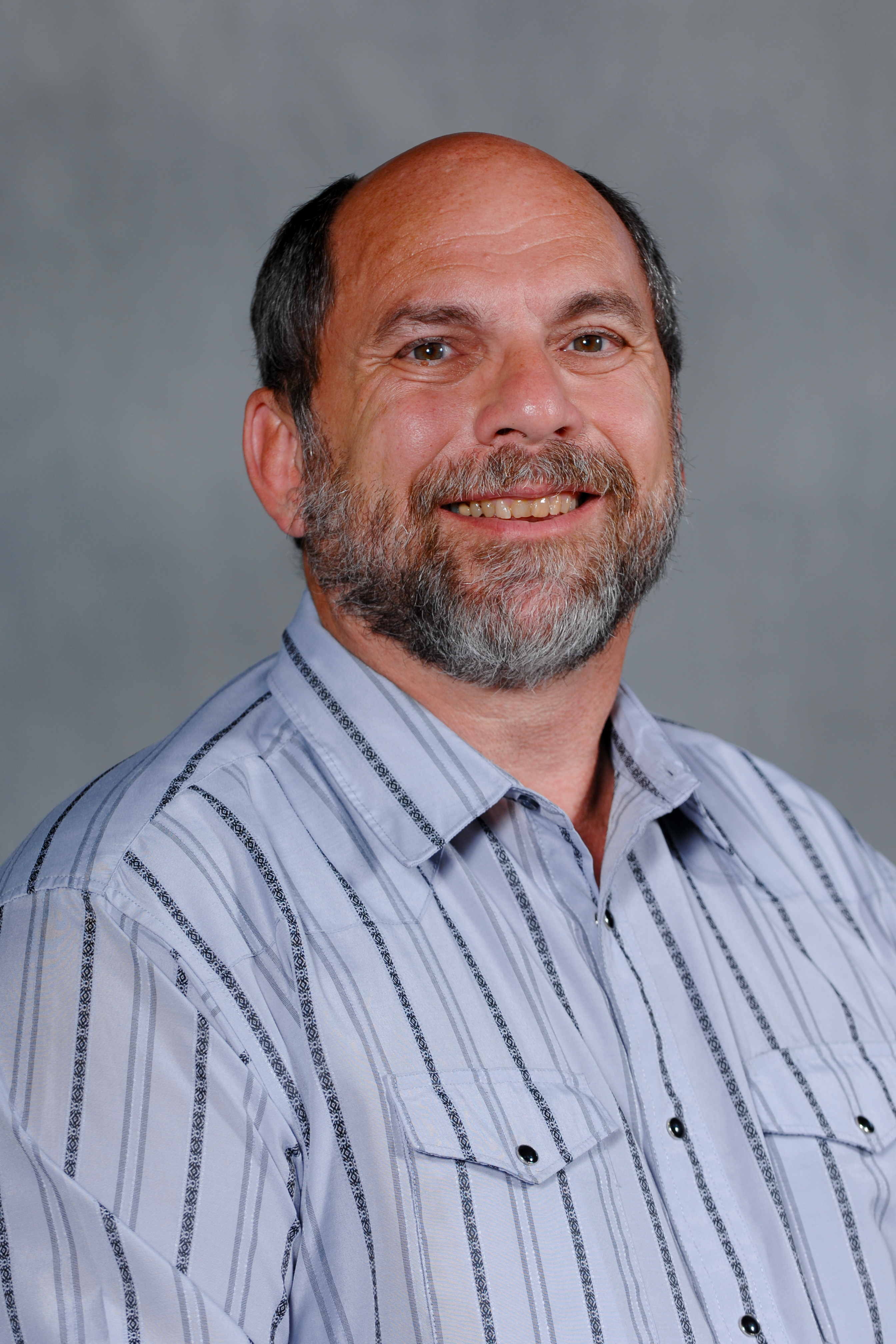
John Wilson
Managing A Rural Landscape
I need to give Karma Larsen with the Nebraska Statewide Arboretum credit for most of today’s content. I saw an excellent article she had written and I just added a few observations I’ve had in making recommendations to other rural landowners as well as working on my own rural landscape. This was written specifically for acreage owners, but it also applies to all rural residents, whether you live on five acres or five thousand acres.
Managing an urban landscape can be enough of a challenge for many homeowners. But when the landscape is several times larger, even the smallest decisions have broader consequences. Will plantings be visually “lost” in such a large space? Is there time to maintain it?
Planning and planting trees is often one of the first considerations since other plantings will be affected by them. Windbreaks or shelterbelts are usually planted first… both to define the land-scape and to shelter buildings and gardens from wind, heat and cold. Extensive caging and fencing may be necessary to protect trees – particularly young trees – from deer, rabbits and other wildlife.
Since turf is one of the most time-consuming aspects of most landscapes, many acreage owners keep mowed areas to a minimum, avoid high-maintenance bluegrass turf and plant fescue, buffalograss, prairie grasses or groundcovers.
The lawn on my acreage is actually smaller than the lawn at either place when I lived in town. I planted a turf-type fescue… and even thought it requires mowing more frequently than my bluegrass lawns in town, it also requires less maintenance. I’m glad I made the choice that I did.
One way rural residents scale back is by limiting managed areas to smaller spaces directly around buildings or to areas highly visible from the buildings or pathways. For plantings to have any impact, a dozen or more of any particular plant may need to be planted rather than just a few. Plants that are hardy and drought-tolerant are crucial in places where watering can range from difficult to impossible.
Here are some ideas for keeping your landscape manageable:
• Think about views and function, and concentrate your efforts where they make the most difference. Since entrance areas are not always obvious in a country setting, you may want to highlight building entries and important paths.
• Use windbreaks for shelter from wind, cold, unwanted views and as wildlife habitat. Keep the southwest exposure open to provide cooling summer breezes and plant deciduous trees to the south for summer shade and winter sunlight.
• If possible, understand your drainage patterns BEFORE you begin and, if they’re problematic, change the grade as needed.
• Protect young trees and shrubs from wildlife damage with cages or fencing.
• Group plants according to maintenance needs. Don’t mix plants that need a lot of moisture with those that need little moisture. Put low moisture plants together. Also consider sunlight, drainage and fertility needs.
• Limit turf to high traffic areas.
• Ornamental and prairie grasses are low-maintenance and provide year-round interest but they can be a fire hazard if planted too close to buildings.
• To attract wildlife, plant groups of fruiting shrubs such as wild plum, chokecherry or elderberry.
• Remember the mature size of trees and shrubs so they don’t grow up too close to the house, out-buildings or each other and they won’t limit your ability to move equipment around or under them.
For more information on rural landscape planning and plantings, visit the Nebraska Statewide Arboretum website at http://arboretum.unl.edu, the University of Nebraska Acreage website at http://acreage.unl.edu or visit your local UNL Extension office.

 Kat Country Hub
Recent Comments