Oakland City Council Meeting Agenda


 REGULAR MEETING

CITY COUNCIL

CITY OF OAKLAND, NEBRASKA


MEETING NOTICE:

            NOTICE IS HEREBY GIVEN, that a regular meeting of the Mayor and City Council of the City of Oakland, Nebraska, will be held at 5:30 on Monday October 17th, 2016 at the Municipal Building, 401 North Oakland Avenue in Oakland, Nebraska.

An agenda for such meeting, kept continuously current is available for public inspection at the office of the City Clerk. Except for items of an emergency nature, the agenda shall not be enlarged later than twenty-four hours before the scheduled commencement of the meeting.

______________________________________________________________________________

PRELIMINARY AGENDA

I.                        CALL TO ORDER


A.   Roll Call

B.   Establishment of a Quorum

C.   Reminder of Open Meeting Laws/Poster

D.   Approval September 17th meeting minutes

E.    Oct treasurer report


  1. PUBLIC HEARING


  • SCHEDULED DULED CITIZENS AND VISITORS TO ADDRESS THE COUNCIL


F.    Tim Adams- JEO

G.   Doug Munsterman- 109 E Fulton water bill

H.   Kent Steinmeyer- Street Skid Loader lease

I.     Patty Plugge- Economic development

  1. COMMITTEE AND DEPARTMENT REPORTS

J.     Police report


V.                      OLD BUSINESS


VI.                    NEW BUSINESS

K.   Pay application #8

L.    Request the use of the Auditorium at no charge-Carroll Welte- 4-H robotic s

M. Ordinance 708- Regulate traffic on 4th and HWY 77

N.   Approve Allison Mockenhaupt and Clendon Rost to the Library Board


VII.                  INFORMATION ITEM

O.   New website


  • DISCUSSION


  1. CLOSED SESSION


  1. APPROVAL OF OPERATIONS BILLS AND WARRANTS

Approval by motion

  1. ADJOURNMENT

Registered Agenda Speakers

                  The Mayor or Presiding Meeting Officer reserves the right to deny this request, or will call you to the center front podium when your agenda Item is ready to be heard. Presentations, if allowed, may be limited to five (5) minutes per person, with a limit of three (3) individuals speaking per topic position. Please come to the center front podium, and clearly state your name and address for the record and the agenda topic you wish to speak upon in a professional manner.

                  The Mayor and City Council reserve the right to enter into an executive session at any time during the meeting, in accordance with the Nebraska Open Meetings Act, even though the closed session may not be indicated on the agenda.

                  It is the intention of the Mayor and City Council to take up the items on the agenda in sequential order. However, the Mayor and City Council reserve the right to take up matters in a different order to accommodate the schedules of the city council members, persons having items on the agenda, and the public
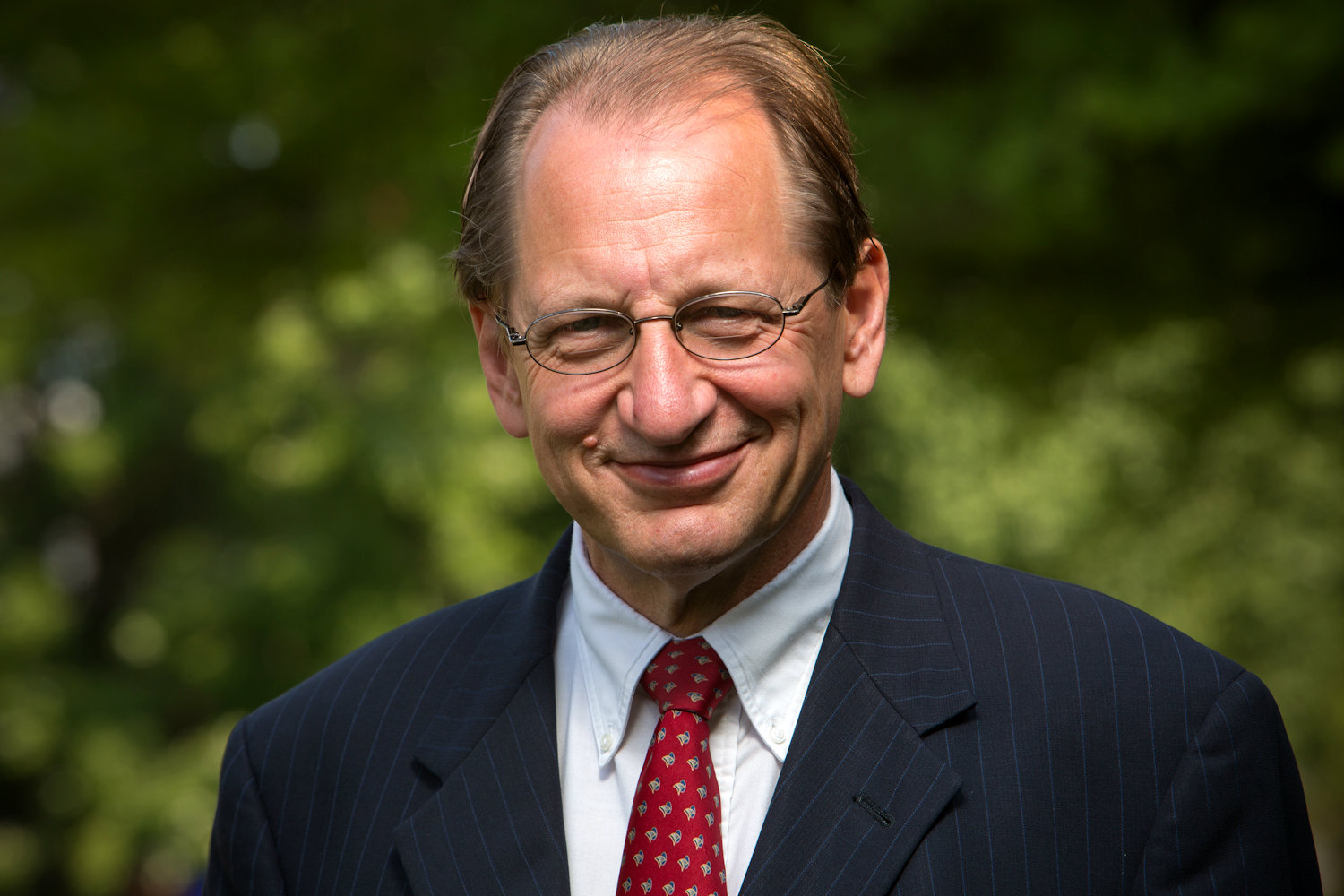


Hassebrook Releases Plan for Rural Economic Development


Chuck Hassebrook

Chuck Hassebrook

The day after the primary election, Chuck Hassebrook, Democratic nominee for Governor, has released his plan for rural economic development.

Hassebrook’s plan for rural economic development includes beefing up the state’s support for small businesses and beginning farmers and ranchers, renewable energy development, job training, and community development.

“I’ve spent my entire career dedicated to strengthening the small town and rural way of life. I’m proud today to share with you my plan to create economic opportunity in small town and rural Nebraska,” Hassebrook stated.

Hassebrook spent 36 years at the Center for Rural Affairs, 17 of those years as the Executive Director, and helped 10,000 small businesses in Nebraska with loans and planning, training, and technical assistance.

Hassebrook says that he sees “many of the same issues that plague rural Nebraska in our urban communities as well. The bottom line is that to allow our communities to continue growing, the state has to make some changes to its policies and become more of a partner in economic development. As Governor, I’ll lead the charge, and move Nebraska forward.”

Steve Buttress of Kearney, who previously served as the Director of the Nebraska Department of Economic Development under then Governor Ben Nelson supports the plan, and says that “Chuck’s plan will deliver, it will make a difference, and it will build a better economy. It’s a blueprint that will work across the state, small town and large, Omaha to Scottsbluff.”

·         Foster small business development and new farm and ranch enterprises

o   Expand the Small Business and Beginning Farmer and Rancher tax credit

o   Increase small business training and technical assistance

o   Create a centralized website and hotline for Nebraska entrepreneurs

o   Remove the anti-small business regulatory bias

·         Improve and expand job training programs

o   Create a partnership between learning institutions and employers

o   Encourage dual credit classes for high school students

o   Expand state funded apprenticeships in workforce shortage areas

·         Support wind development, Nebraska’s corn ethanol industry, and develop a strategy for next generation biofuels

o   Develop Nebraska’s world class wind resource by creating a state production tax credit and building transmission lines

o   Champion Nebraska ethanol by expanding our local markets and keeping our state at the forefront of next generation biofuels.

·         Create a new partnership between the state of Nebraska and small towns to foster community development

o   Community grants

o   Loan forgiveness for rural health professionals

o   Planning and technical assistance to small towns and rural communities

o   Protect and more effectively leverage state funds for workforce housing


Keys to Economic Success


By Patty Plugge

Executive Director, BCEDC

In a previous column, I discussed the first two in a list of ten keys for local economic development success. This comes from an article written by Don Macke, Director of Entrepreneurial Communities for the Center for Rural Entrepreneurship.   For over 35 years, the team at the Center for Rural Entrepreneurship has been seeking answers to the question – what brings about local economic development success? Using the insight that is based on their field work across North America, these ten keys were uncovered. As we strive to improve the quality of life in Burt County, keep in mind these best practices.


The first two keys were #1 – Local Responsibility and #2 – Smart Game Plan.


Key #3 – Robust Investment


We all know that businesses that do not reinvest in themselves are likely to erode their competitive advantage, lose market share and eventually fail.  Well, the same is true for communities.  As every farmer knows, you cannot reap what you do not plant. The same is true with economic development; there must be a robust investment in a smart development game plan sustained annually over time.


Key #4 – Entrepreneurial Development Systems – One lesson learned while studying economic development across the nation is that systems generate outcomes when compared to unarticulated programmatic efforts. The prime opportunity for development is through entrepreneurial development systems.  Building it is hard work, but the payoff is huge.


Key #5 – Sustained Effort


Economic development never ends. Communities that succeed sustain their efforts at a robust level year in and year out over decades. Even communities that have succeeded for a generation can falter if they do not adjust and continue to invest.  The key is renewal of community leadership.  Building a game that invests in economic development leadership and ensures continued transition is the foundation for sustained effort.


Key #6 – Growth Entrepreneurs


Each community must find its own solution set. Every community is different and has unique opportunities for development. But what is increasingly clear to us, based on our field work, is that a prime focus on “growth oriented entrepreneurs” is key for today’s changed environment.


Key #7 – Immigrants and New Residents


Communities that welcome, embrace and support immigrants and new residents do better economically and socially over time.


Key # 8 – Real Regional Collaboration


One of America’s greatest economic development challenges is the lack of workable and meaningful vehicles for regional collaboration. Successful communities will likely foster regional development collaborations through locally supported regional development organizations.


Key #9 – Civic and Social Entrepreneurs


It is important to recognize that there are three kinds of entrepreneurs that will enable development success and sustained prosperity – business, civic and social entrepreneurs.  Civic (government) and social (nonprofits) will lead in creating the strategies, quality of life amenities and business climates necessary for business entrepreneurs to succeed.  Investing in all three kinds of entrepreneurs enable a more comprehensive game plan that can yield desired trend-changing results.