By Mary Loftis, Extension Assistant
Fire Prevention
Almost daily we hear fire sirens, many going to medical emergencies but way too many are in route to a home or apartment fire. Are you prepared?
Keeping you and your family safe is a top priority. There are simple steps to take to keep our homes safe. Preparing for emergencies such as fire is often talked about but proper action in never taken. Fires can be prevented by taking time and precautions to remove the risk factors from your home or daycare.
Risk factors include: unattended cooking, smoking, burning candles, electrical malfunctions, and failure to maintain heating equipment and no smoke alarm.
Every home should have a smoke alarm. Smoke alarms should be placed outside all sleeping areas and on every level of the home.
Check your smoke alarm monthly. If you don’t have a working smoke alarm, install one now. Working smoke alarms give you early warning so you can escape quickly.
Every family should have a fire escape plan. It should be practiced and children should be aware of all escape routes. Nearly half of the families who have a plan have practiced it. Having a plan without reviewing it with all family members is not a good practice. Always get out of the home and call 911. Many people think they will have several minutes to get out after the smoke alarm sounds. It is often less than 6 minutes.
- Cooking is the leading cause of home fires and home fire injuries, followed by heating equipment.
- Two of every five home fires started in the kitchen
- Smoking is a leading cause of civilian home fire deaths.
- Electrical failure or malfunctions caused an average of almost 48,000 home fires per year, resulting in roughly 450 deaths and nearly $1.5 billion in direct property damage.
- If you have upper levels in your home, a rope ladder can be installed to use in case of emergency.
- Always remember to put out candles and smoking materials before going to bed or leaving the home.
- Ashes from fireplaces and woodstoves should be disposed of correctly in a metal container and away from the house. Make sure grill fires are completely out when done grilling.
- A home inventory is also important. In case or fire, do you know what all you have in your home and its value? This is very important for insurance and replacing items.
- Approximately 3 out of 5 fire deaths happen in homes with no smoke alarms or the alarms are not working.
- Smoke alarms should be replaced after 10 years.
Take time to keep your family safe by removing risk factors from your home and daily activities.
Source: National Fire Prevention Agency www.nfpa.org


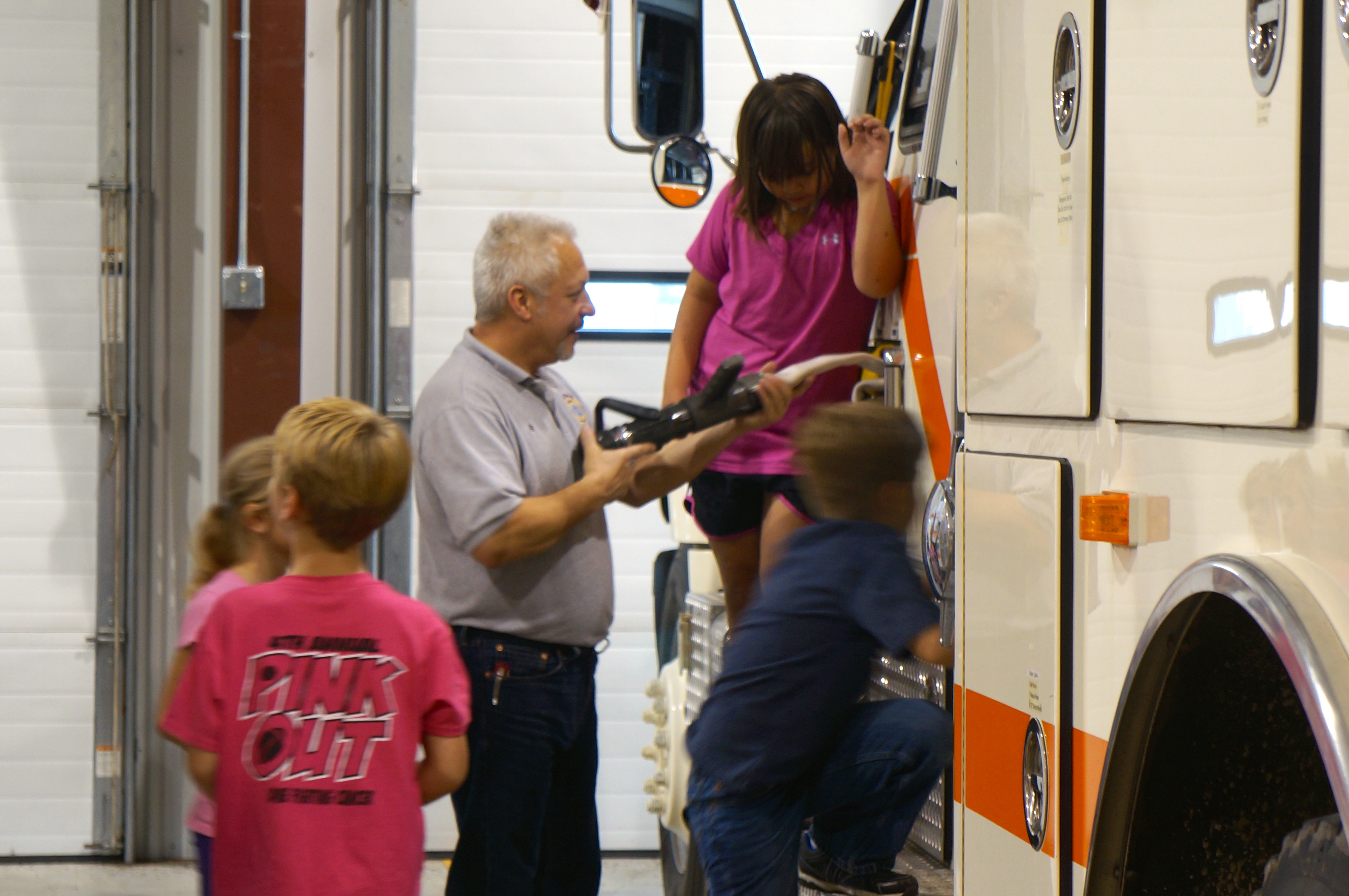
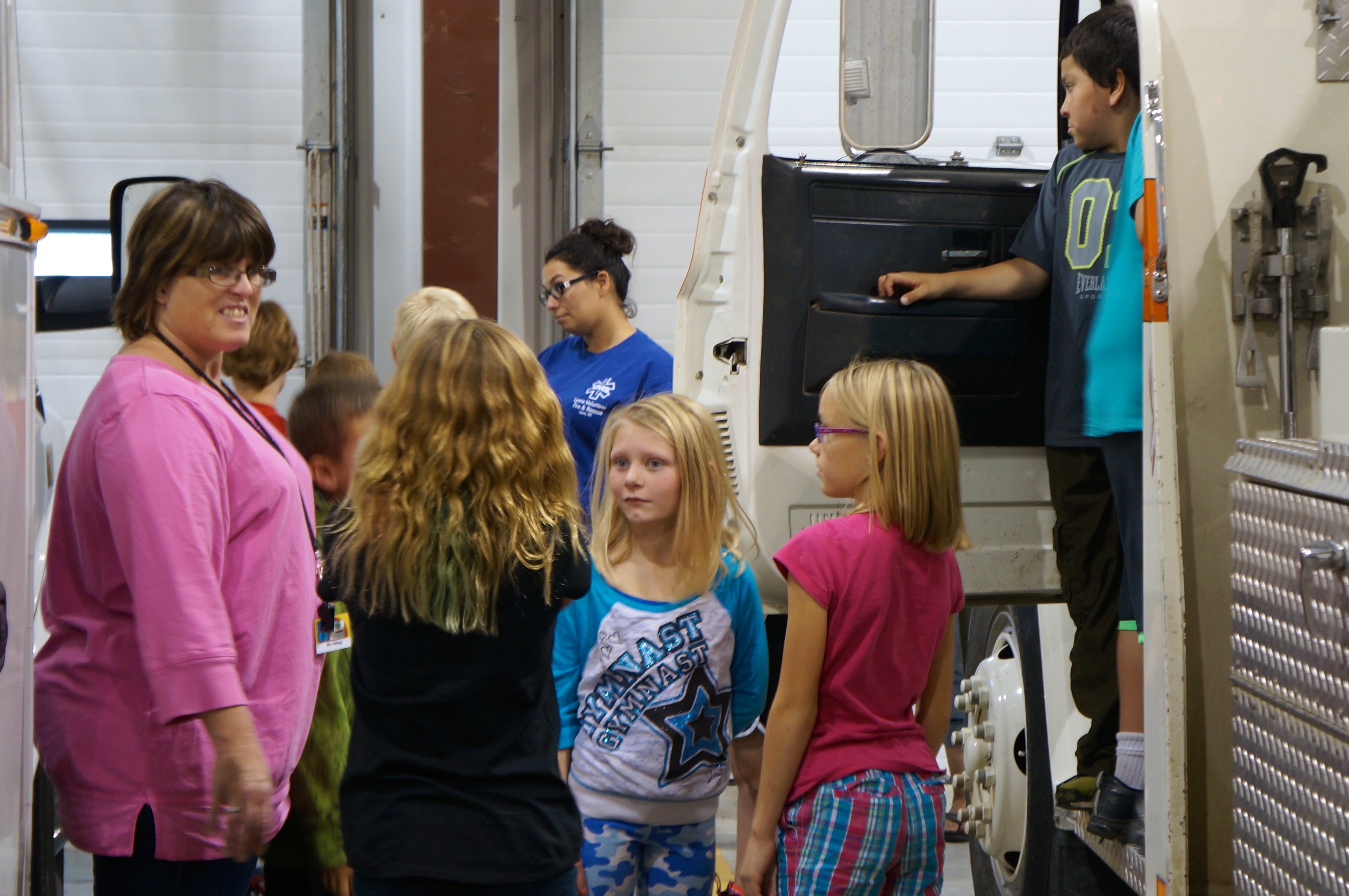
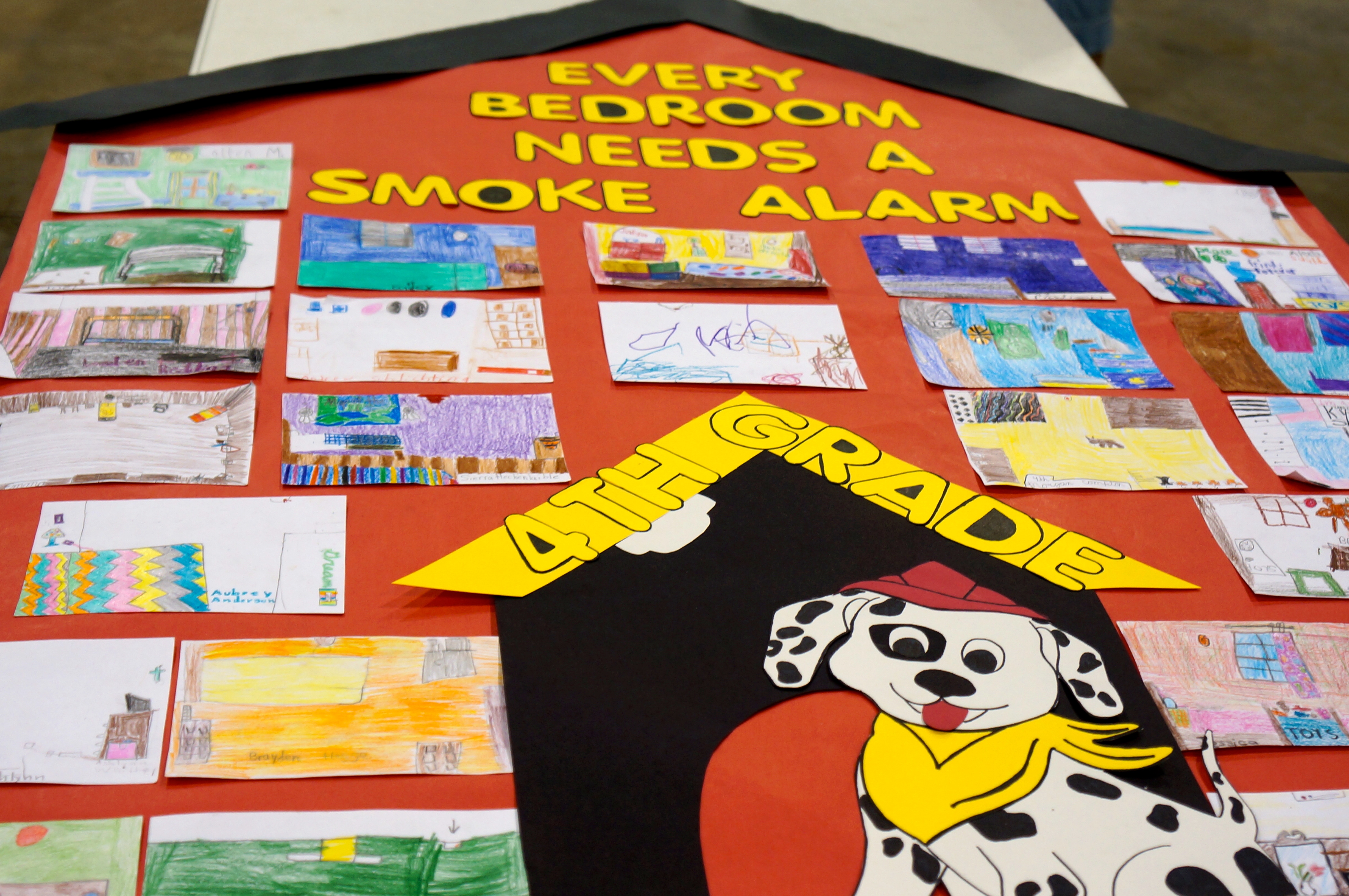
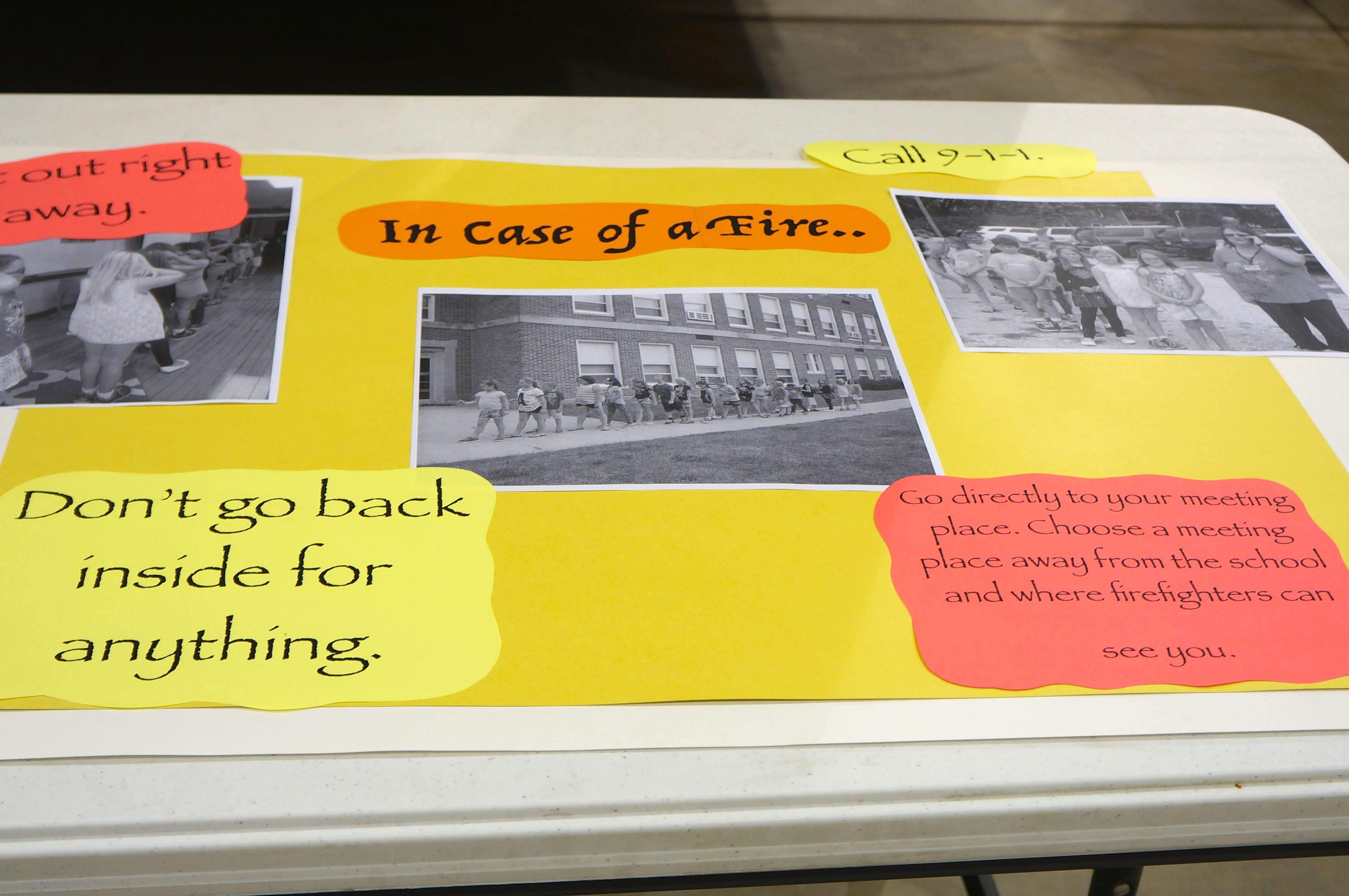
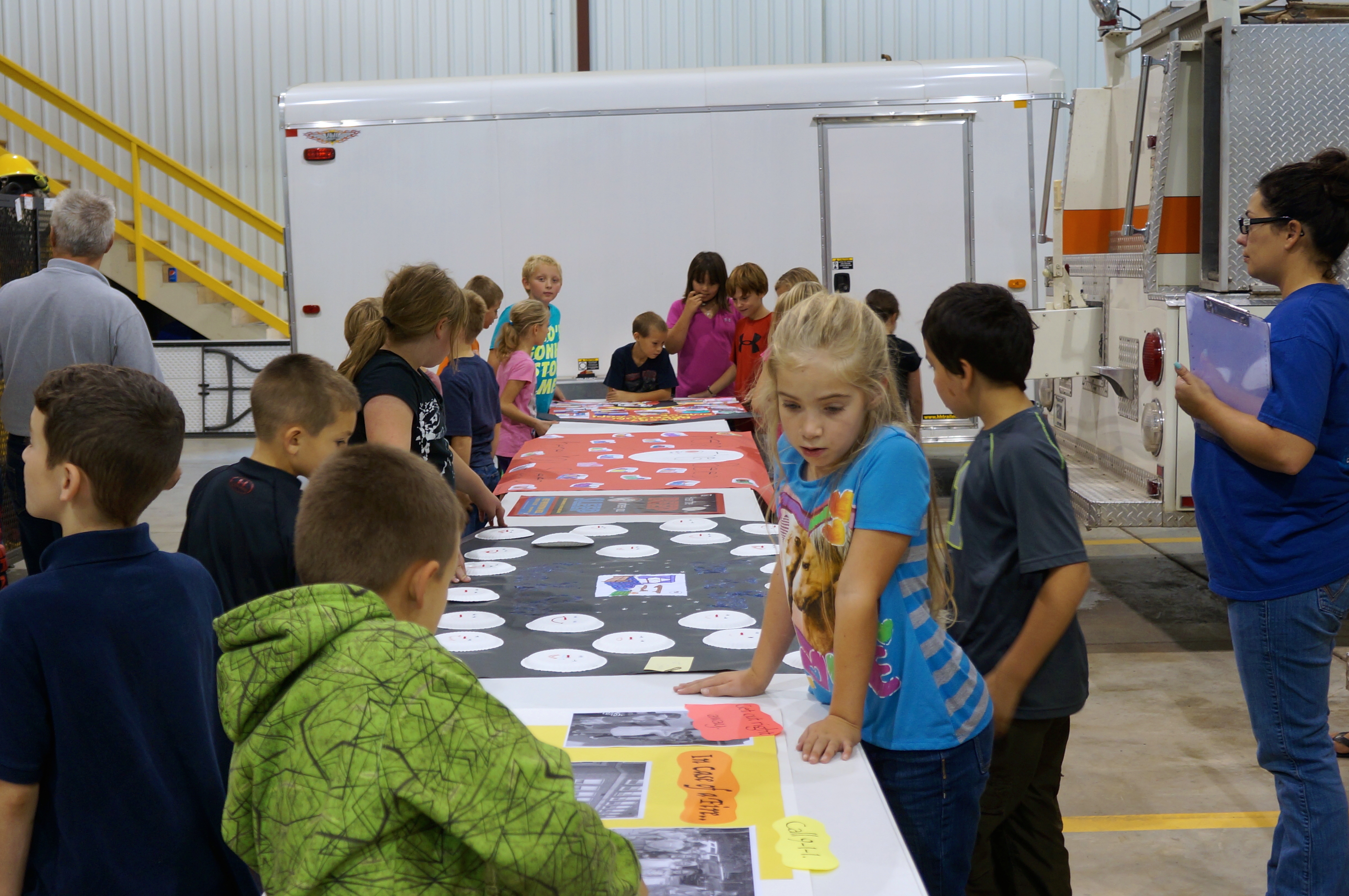

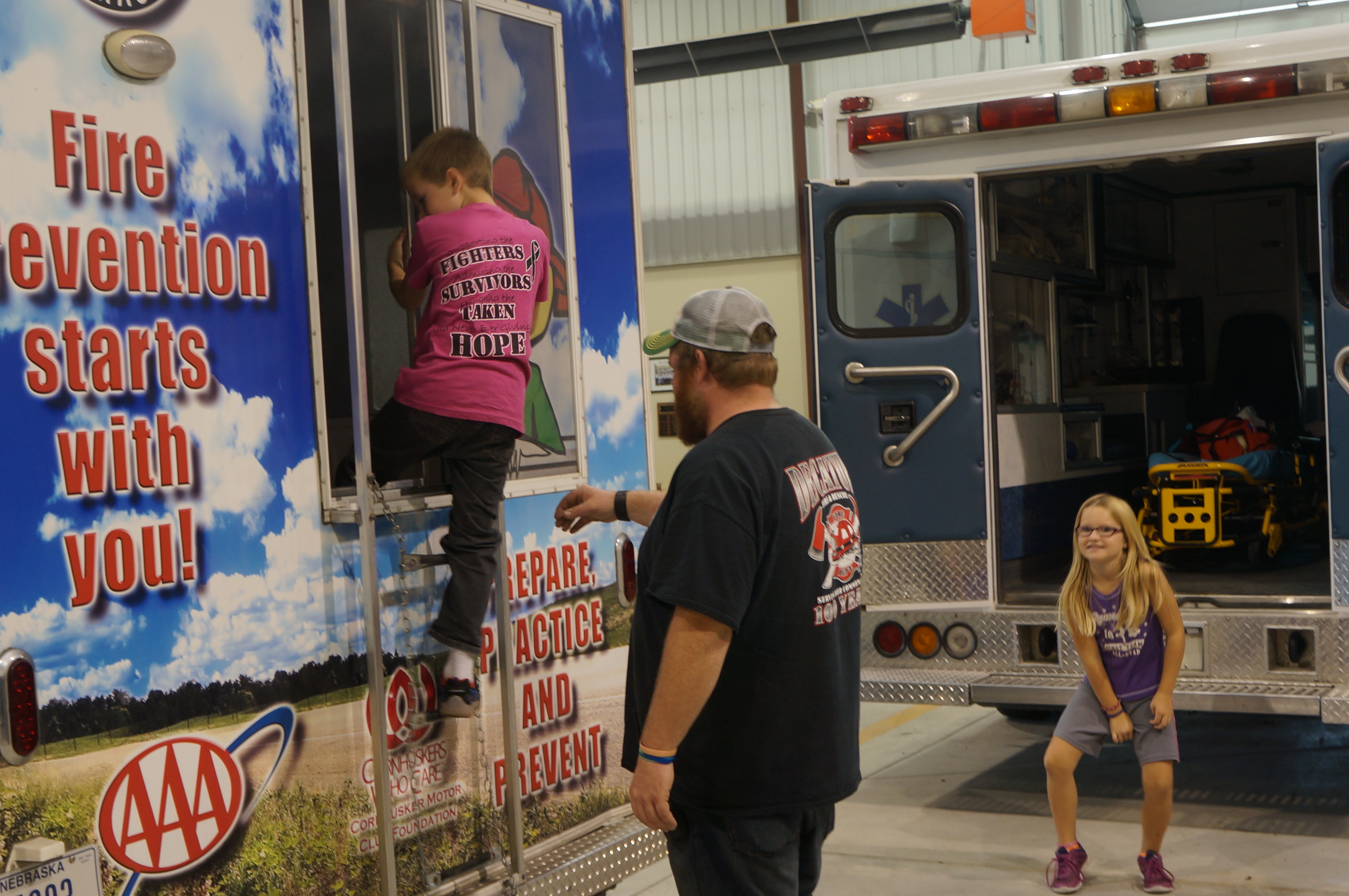
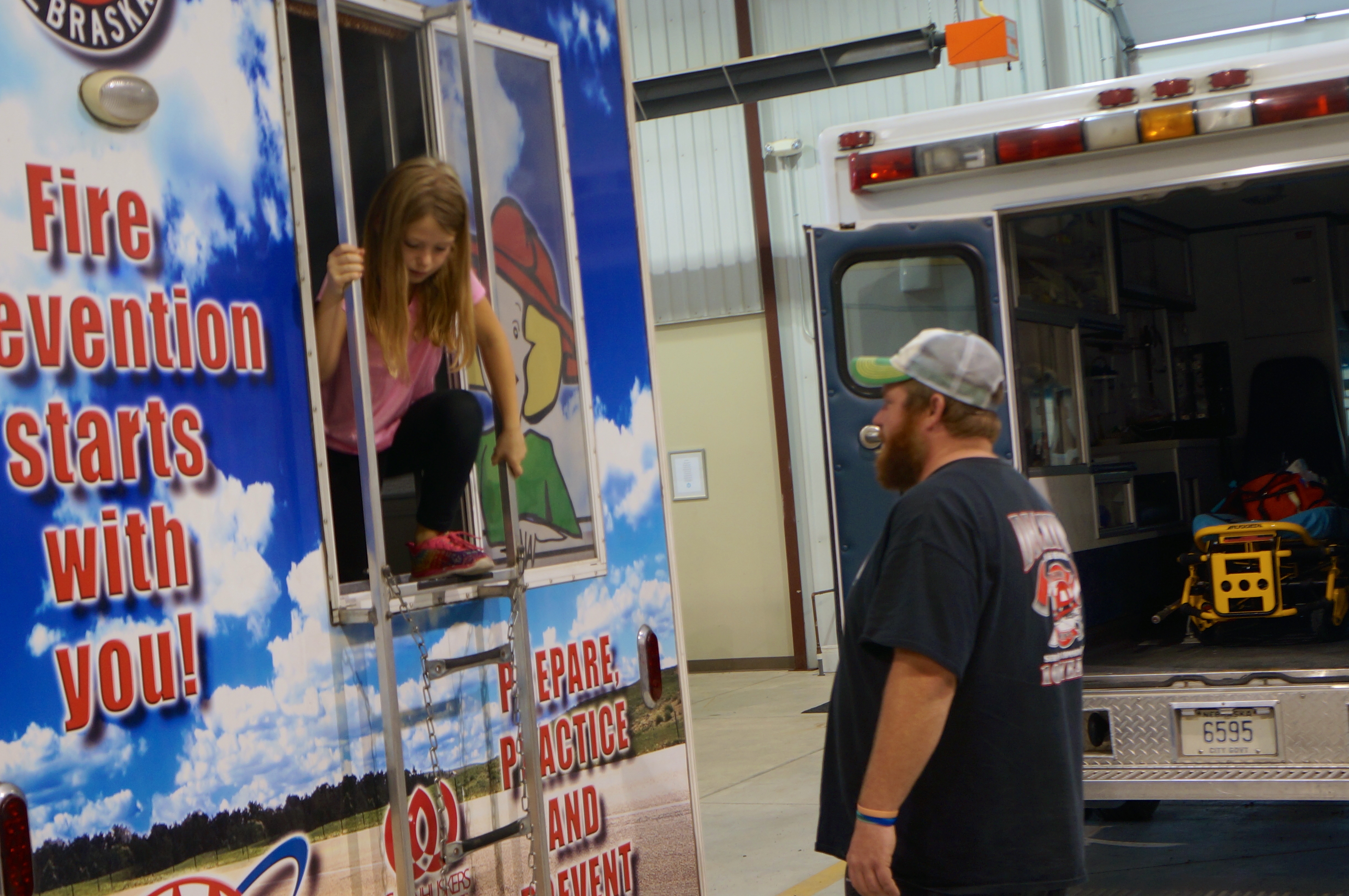
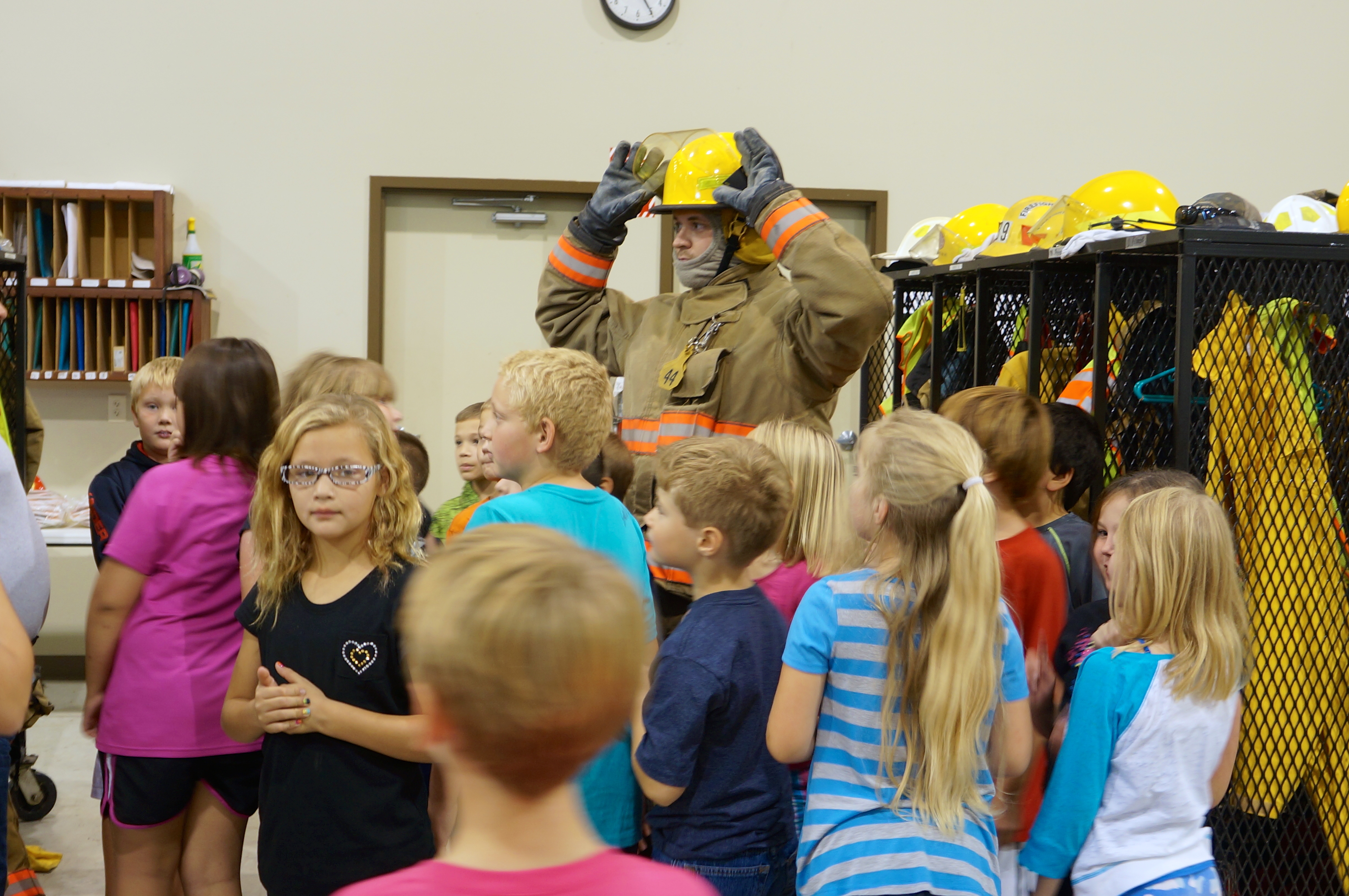
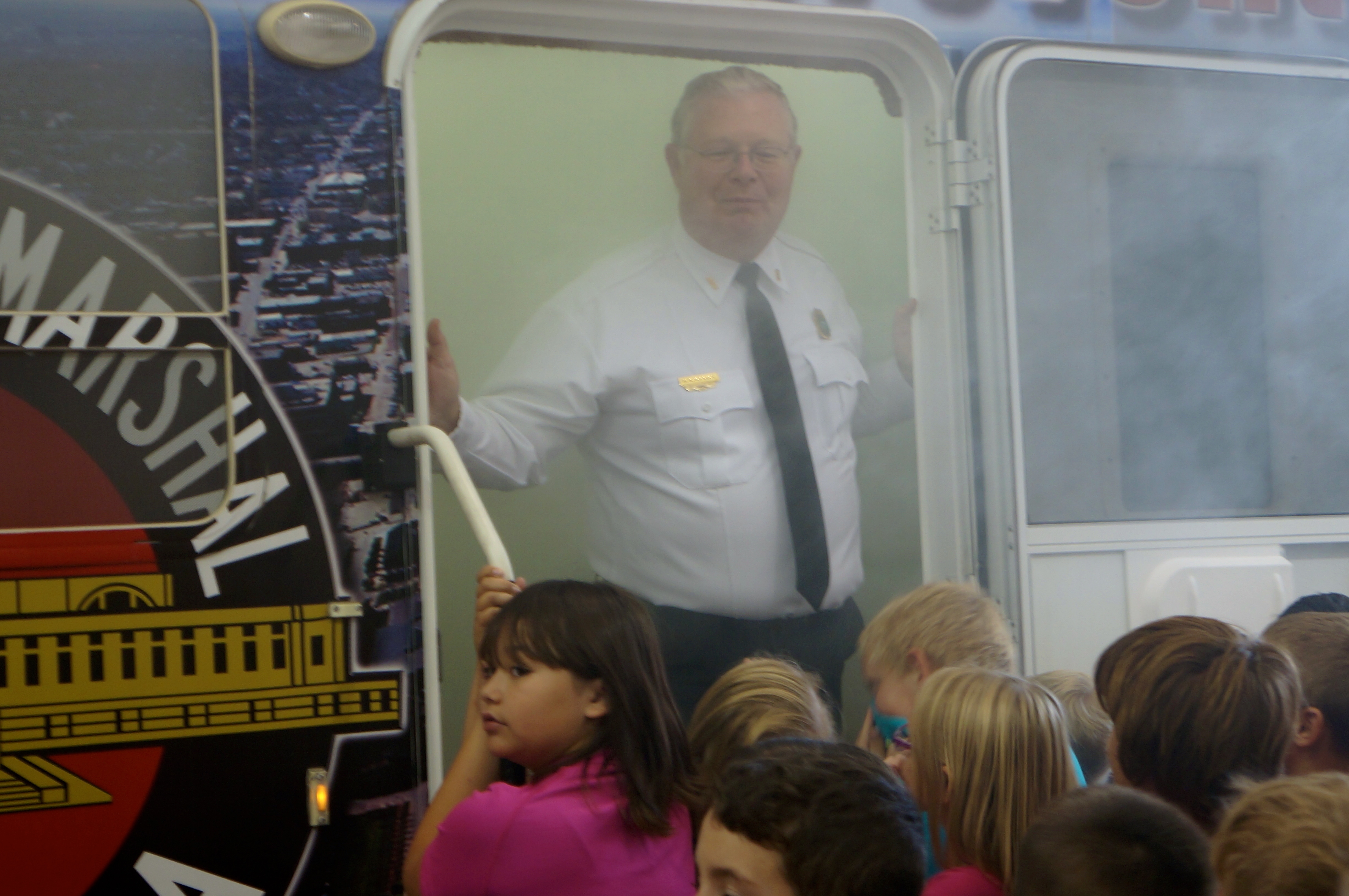
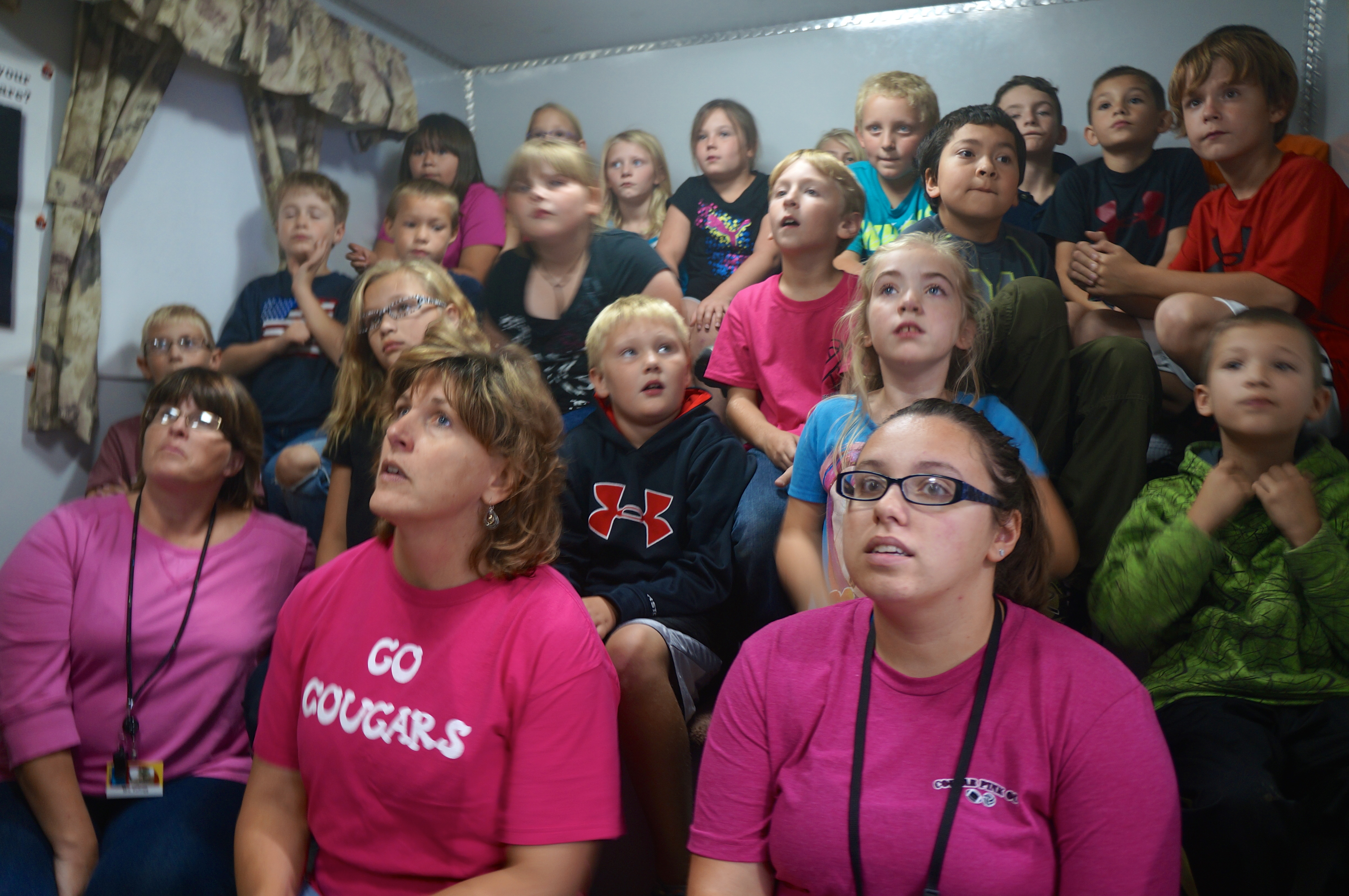
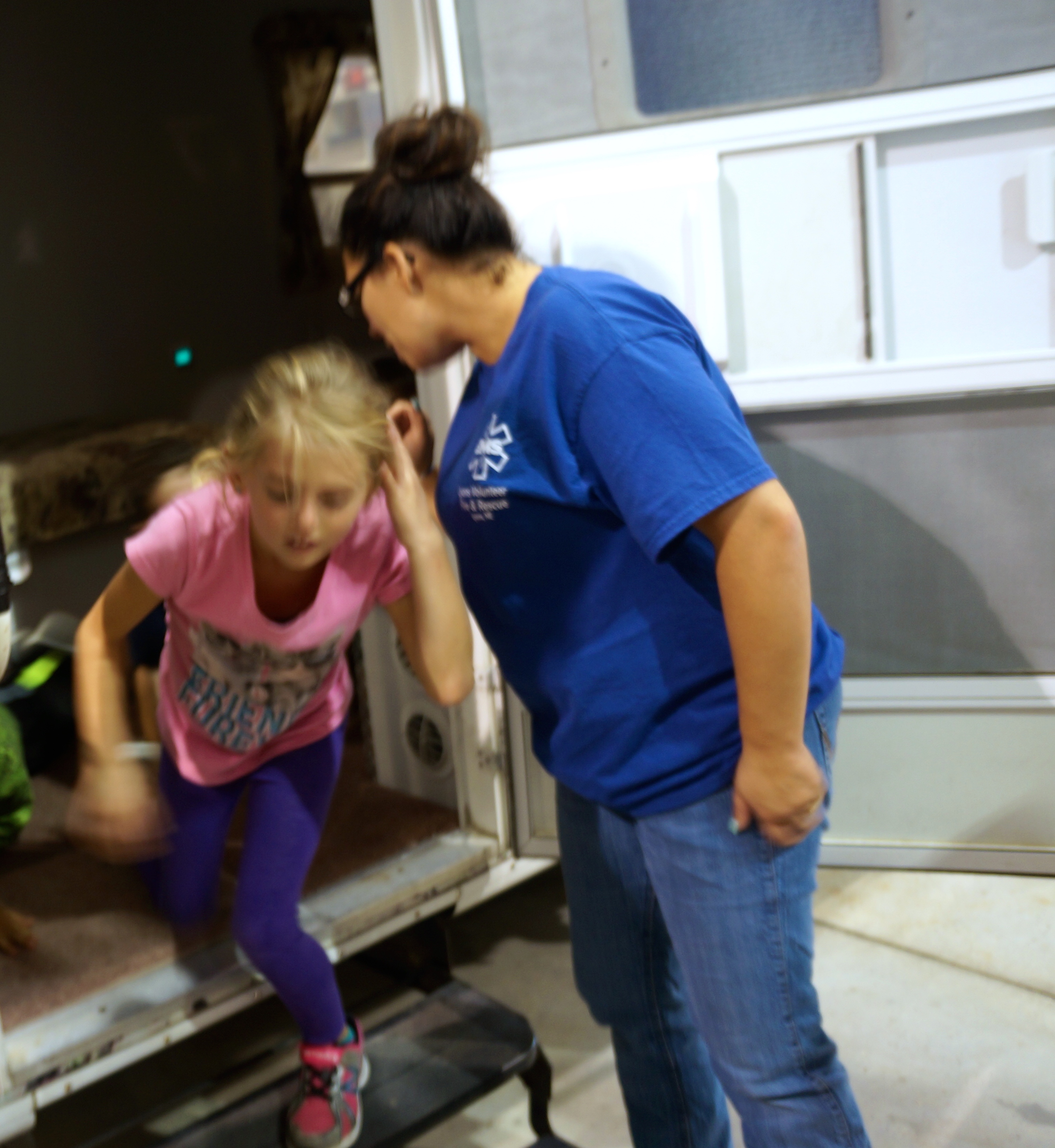
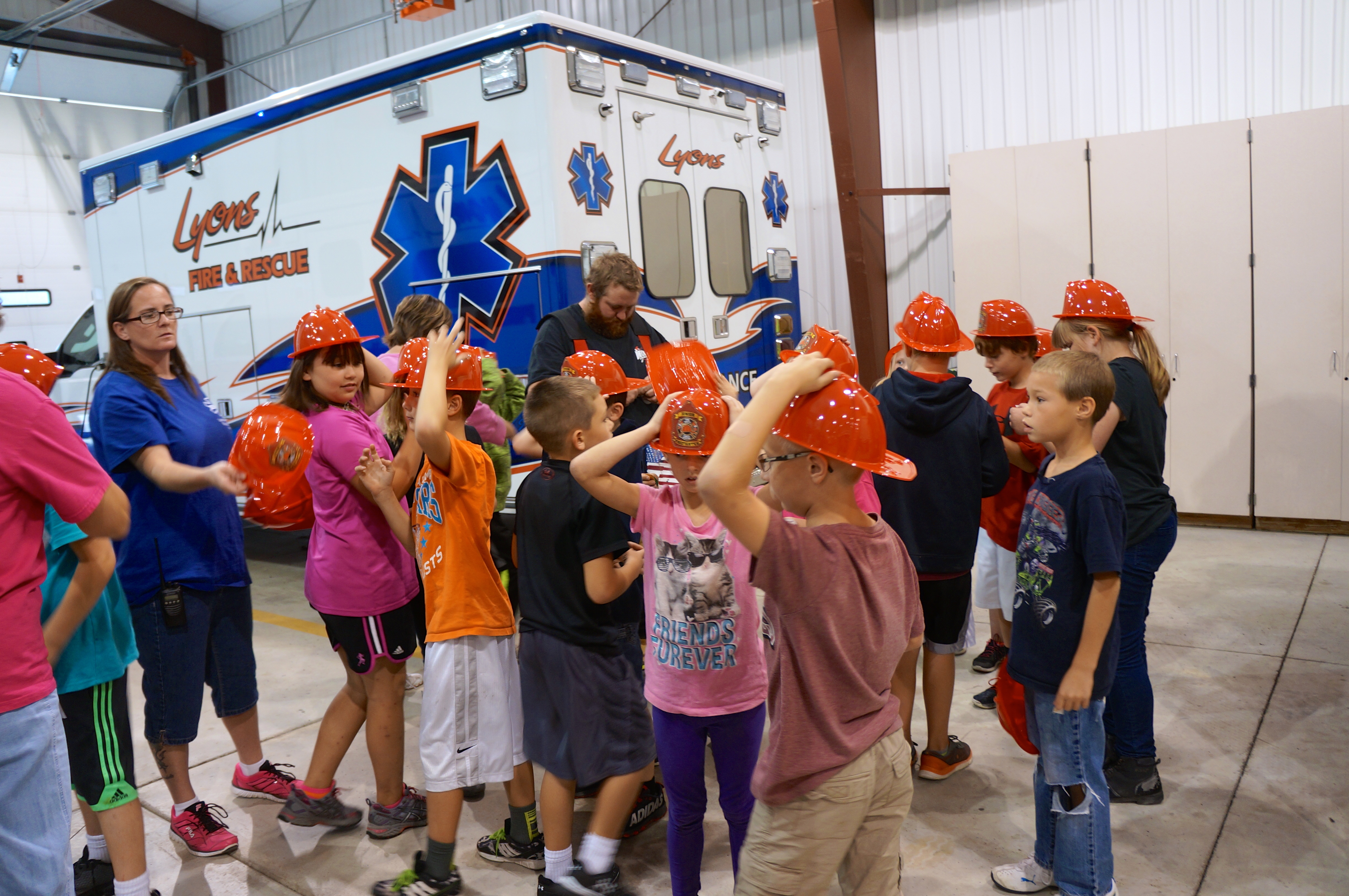 Elementary students were shown how to prevent fires through demonstrations conduced by State Fire Marshall Raymond Nance and the Lyons Fire and Rescue personnel during fire prevention week.


 Kat Country Hub
Recent Comments