The Role of the Judge


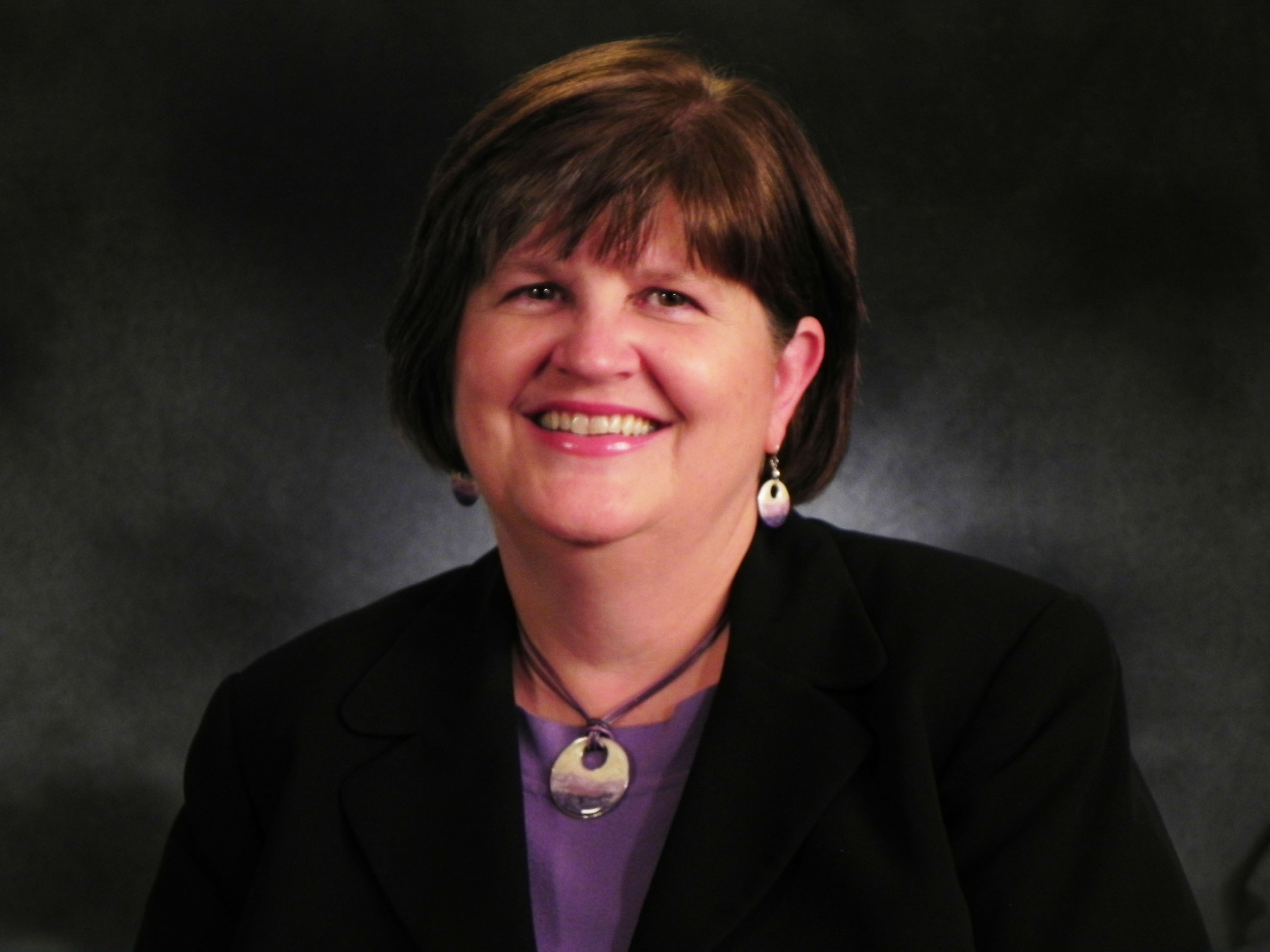
Rachel Wise, District 3, Nebraska State Board of Education 

Rachel Wise

Rachel Wise

Since the Nebraska State Board of Education did not meet in July, we had an incredibly full agenda for our August work session and business meeting. As I list some of the highlights of the past meeting, I want to remind readers of the State Board’s three broad areas of responsibility. That is policy-making, development and adoption of rules and regulations and quasi-judicial decision-making. In most of my articles I share information about the policy-making and regulatory responsibilities of the board, but for this article, I want to start out with the quasi-judicial role.

What does the board do in its quasi-judicial role? We make some very difficult decisions about the certificates of educational professionals―teachers, coaches, administrators, etc. At this meeting, we had four certification cases about which we had to make “judgments.” This is some of the most challenging work that we do as a board. Educational professionals have an ethical code of conduct they must follow and at times, some individuals make very poor choices or decisions. The Nebraska Professional Practices Commission (PPC) is the first line of decision-makers when an educational professional is alleged to have violated the code of conduct. Typically, all of the evidence in any case is introduced when the PPC hears from witnesses and receives documents as evidence. In cases where the PPC believes an educator’s certificate should be suspended or revoked, then all of the case materials are filed with the State Board of Education who becomes the final quasi-judicial decision-maker. While decisions on whether educators lose their certificates for a short-time or for a lifetime are very difficult, in my opinion, this is one of the most important roles we fulfill as board members.

On to a more uplifting topic, accountability!! At the August meeting the Nebraska Department of Education presented a draft framework of an accountability and quality system for Nebraska schools ― called A QuESTT (Accountability for a Quality Education System, Today and Tomorrow}. Under this system, schools will be classified as excellent, great, good or needs improvement. As required by LB 438, three schools most in need of improvement will be identified as priority schools. Tenets of the system are as follows: College and Career Readiness; Assessment; Positive Partnerships, Relationships and Student Success; Educator Effectiveness; Transitions; and Educational Opportunities and Access. During the next few months specific indicators, measures and timelines will be identified. Public hearings and public comment opportunities will be held to gather input before finalizing the new system.

We are now moving closer to adopting more rigorous college and career ready, English Language Art Standards in Nebraska. On August 5th, public hearings were held throughout the state to gather additional input on the standards. The next step is a final review and validation by postsecondary education, then back to the State Board in September.

Finally, I would like to take a moment to thank Lynn Cronk, who stepped down from the State Board of Education as a result of her move from Grand Island to Lincoln. Lynn has been a longtime public servant, serving first on the Grand Island School Board and then the State Board of Education for almost four years. Lynn demonstrated a strong passion for education and was a champion for all students.

This article represents my personal view, not that of the State Board of Education or my role as president. Feel free to contact me at rachel.wise@nebraska.gov. Search the Nebraska Department of Education website at www.education.ne.gov to learn more
A Full State Board of Education


By Rachel Wise

State Board of Education

Last month I wrote about some highs and lows encountered by the Nebraska Department of Education and the State Board of Education. The high for April: The Nebraska State Board of Education has a full board – eight members! In January two board members, Mark Quandahl and Rebecca Valdez resigned. Both of these board members provided tremendous leadership and support for the constituents they represented in Districts 2 and 4. These districts comprise parts of Douglas and Sarpy counties. On March 18, Gov. Heineman announced the appointment of two new board members, Glen Flint serving District 2 and John Witzel serving District 4. Mr. Flint and Mr. Witzel took the oath of office on March 28th and became fully engaged board members at their first meeting in April. I look forward to work with Glen and John, who will provide both an important perspective and leadership in our service to children, families, schools, communities and to the great State of Nebraska!

Rachel Wise, State Board of Education.

Rachel Wise, State Board of Education.

As the Legislature is winding down its session, there are two bills that I would like to write about that will have a significant impact on the future of education in Nebraska. It is a privilege to highlight Sen. Kate Sullivan’s priority bill, LB 1103, which calls for the development of a vision for education in Nebraska. This bill and the process of creating that vision should help guide the work of the Legislature, the Nebraska State Board of Education and local school boards. I am optimistic that the process and subsequent vision will limit the reactionary process of developing educational policy and encourage a pro-active approach for schools and communities to build systems that meet the needs of all children in Nebraska. As eloquently stated in Section 1 of LB 1103, “In order to continue the pursuit of the good life in Nebraska, a common statewide vision must be refined to address the potential of all students across the state.” The Nebraska State Board of Education has been reviewing its current goals, to be ready to align our vision and goals with those developed through the process proposed in LB 1103. The current State Board goals are to improve: The achievement and outcomes for all students; support state and local accountability; and, communication and collaboration with policy partners.

The other critical piece of legislation passed this year was LB 438, the Quality Education Accountability Act. This bill helps to frame the development and implementation of a system of accountability for Nebraska schools. The state board’s accountability committee and the Nebraska of Department of Education have been working diligently to define the key elements of the accountability system for Nebraska. This system will move away from just reporting student achievement and ranking schools and move toward a system of classifying schools on multiple indicators, such as graduation rates, student growth, improvement on assessments and other performance indicators as established by the state board. The system will classify schools of excellence as well as priority schools needing improvement and intervention.

Finally, another low. The state board adopted a resolution honoring the life and leadership of a long-time Nebraska Department of Education employee, Russ Inbody. Russ was known throughout the state for his knowledge of school finance and a host of other areas of expertise. Our thoughts and prayers continue to be with his family, friends and many, many educators who learned about leadership through Russ.

This article represents my personal view, not that of the State Board of Education or my role as president. Feel free to contact me at rachel.wise@nebraska.gov. Search the Nebraska Department of Education website at www.education.ne.gov to learn more about education in our state.