Last fling til spring


We went to West Point to attend the 24th annual last fling til spring. I thought I would share the pictures I took with my readers.

Storing vegetables


News Column

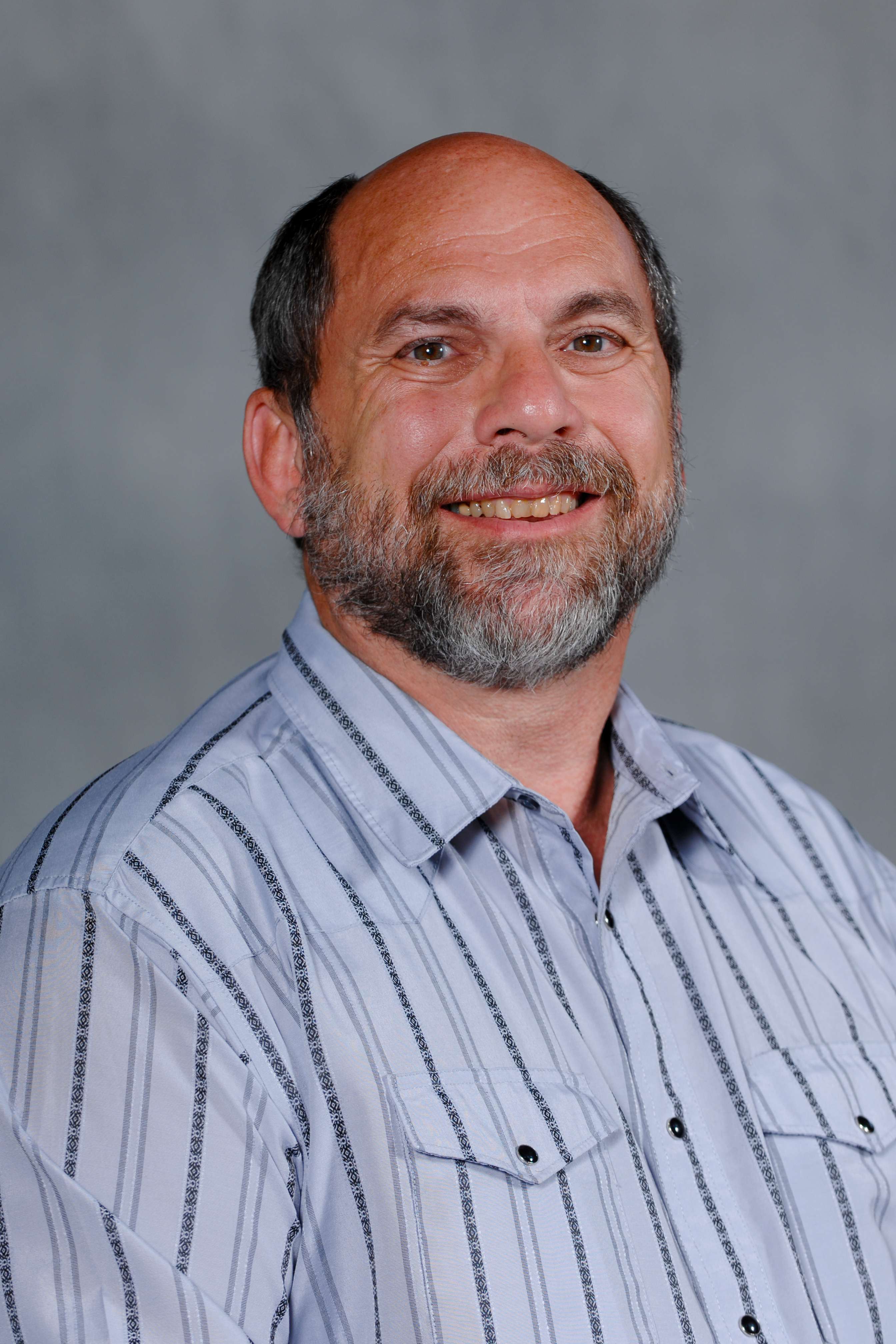
John Wilson

Extension Educator

September 13, 2013


Storing Vegetables

We enjoy fresh vegetables during the summer, but with proper care, we can still have fresh vegetables later this fall or even on into the winter.

Let’s start with tomatoes. They can be left on the plant until the threat of a frost. At that time, cover the plants to protect them from a light frost or harvest all tomatoes that are mature or have started to turn color. If you have some large green tomatoes, they can be harvested, too, and brought inside to store or mature. Wrap green or pink, not-quite-mature, tomatoes individually in newspaper and store them in a single layer in boxes or trays. If you want them to ripen right away, store them at normal room temperature and humidity.

If you want to store them, place the wrapped tomatoes in an area with a temperature around 45-50 degrees and relative humidity 80% or higher. Green tomatoes can be stored up to 6 weeks and pink tomatoes about 10 days before you need to bring them to normal room temperatures to finish maturing. Take a peak every few days to see if they are mature and ready to eat or can. If any tomatoes start to spoil, remove and discard them.

Next let’s consider potatoes. Late season varieties of potatoes generally store longer than early season varieties. These are best harvested after the vines die completely and when the soil is dry. Dig and handle the tubers carefully to avoid bruising. Place the tubers in a cool, dark location for 10 to 14 days to cure them; then store potatoes in a dark, humid area with temperatures around 40 degrees. Brush off excess dirt, but do not wash potatoes as this will shorten their storage life.

Winter squash, pumpkins and gourds are ready to harvest when you can no longer easily puncture the skin with your thumbnail. These fruits must remain on the plant until they are mature or their eating and storage quality is greatly reduced. Now is a good time to pinch off smaller fruits that won’t have time to mature before frost. The plants energy can then go into maturing larger fruits.

When harvesting vine crops, avoid scratching or bruising the fruit and leave one inch of the stem attached. Mechanical wounds increase the chance of storage decay. After harvest, cure the fruit in a warm dry place for 10 days and then store them in a dry location at 55 degrees Fahrenheit.

Onions are harvested after their tops die down. If the tops have not died down by late fall, harvest them before the ground freezes; taking care not to bruise the bulbs. Bruised onions and onions with thick necks should be used promptly rather than stored.

Onions must be cured and allowed to dry until the outer skins are papery and the roots are dried to reduce storage rot. Hold them in a warm, dry location spread out on newspaper or an old screen up off the ground to dry. Once dry, the tops can be cut off and the bulbs stored in mesh bags; or, the tops can be braided together and the onions hung and stored at 32 degrees Fahrenheit.

Root crops, like carrots and beets, can be left in the garden until just before the soil freezes; or even into winter. A few good frosts will improve their flavor, as long as they are not over mature. Planting later in the season helps avoid over maturity or when the root becomes large and woody.

When you do harvest, cut the tops to one inch above the root and dig carefully to avoid damage. Pack the roots in sawdust or other packing material and store them at 32 degrees Fahrenheit in a humid location. If you wish to leave root crops in the ground into winter, place a one foot layer of mulch over the rows to keep the soil from freezing. Pull the mulch back and dig as needed.

For more information on vegetable harvest and storage, contact your local UNL Extension office.
John Wilson

John Wilson

Health insurance


News Release

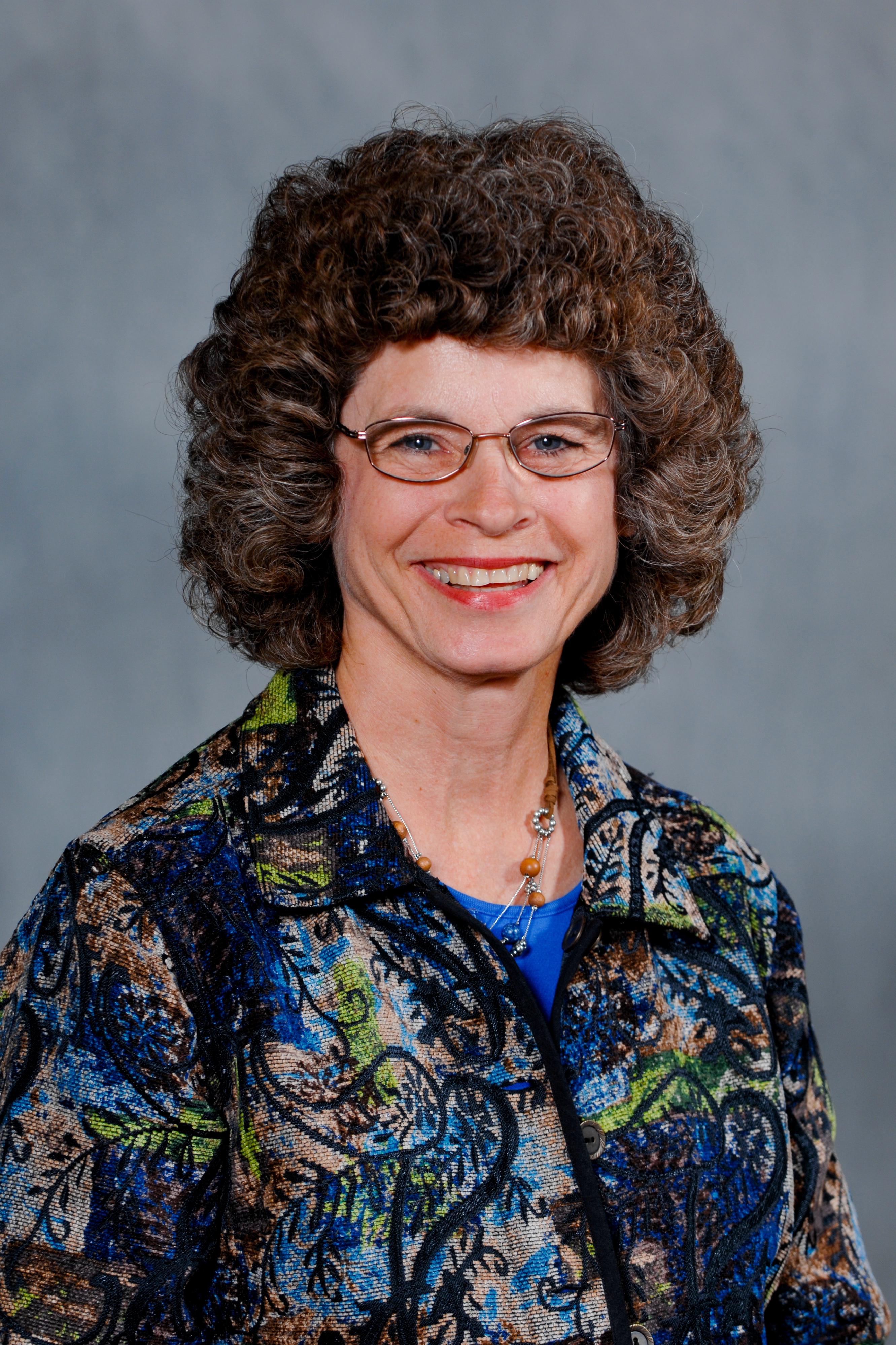
Mary Loftis

UNL Extension and SHIIP Volunteer

September 12, 2013


STATE OF NEBRASKA

Dave Heineman Governor

Mary Loftis

Mary Loftis

DEPARTMENT OF INSURANCE

Bruce R. Ramge Director 941


Health Insurance Marketplace Is Not for People with Medicare

If you have Medicare, the new Health Insurance Marketplace doesn’t affect your Medicare coverage. The Health Insurance Marketplace is designed to help people who do not have health insurance. You don’t have to replace your Medicare coverage with Marketplace coverage. No matter how you get Medicare, whether through Original Medicare or a Medicare Advantage Plan, you’ll still have the same benefits and security you have now.

Medicare’s Open Enrollment is not part of the new Health Insurance Marketplace. Medicare Open Enrollment (October 15 – December 7, 2013) is the time when all people with Medicare are encouraged to review their current health and prescription drug coverage, including any changes in costs, coverage and benefits that will take effect next year.

The Health Insurance Marketplace Open Enrollment period (October 1, 2013 to March 31, 2014) overlaps with the Medicare Open Enrollment period (October 15 – December 7, 2013). Therefore, people with Medicare who are looking to make Medicare coverage changes should make sure that they are reviewing Medicare plans and not Marketplace options.

It is against the law to knowingly sell a Marketplace health plan to someone with Medicare. A Medicare beneficiary who is contacted by a representative of a Marketplace health insurance plan should not reveal any personal information, such as their Medicare claim number.

People with Medicare who have questions about their coverage or who want to compare prescription drug plans for next year should contact the Nebraska Senior Health Insurance Information Program (SHIIP) for free, unbiased information. SHIIP can be reached at their toll-free hotline at 800-234-7119 or at the UNL Extension Office in Burt County at: 402-374-2929.


###

The Nebraska Senior Health Insurance Information Program (SHIIP) is part of a national network, funded by a grant from the Centers for Medicare & Medicaid Services, that offers unbiased counseling and educational services designed to help senior citizens and those with disabilities make informed decisions on topics related to health insurance. With over 300 volunteers across the state, the Nebraska SHIIP is coordinated within the Nebraska Department of Insurance.

Mary Loftis,

Extension Assistant
UNL Extension – Burt County
111 North 13th Street, Suite 6
Tekamah, NE 68061
Phone: (402) 374-2929

Fax: (402) 374-2930

Internet: mloftis2@unl.edu


Center for Rural Affairs


NEWS RELEASE
From the Center for Rural Affairs
FOR IMMEDIATE RELEASE – September 11, 2013

Contact: Jon Bailey, jonb@cfra.org, Phone: (402) 687-2103 ext. 1013
or John Crabtree, johnc@cfra.org, Phone: (563) 581-2867 or (402) 687-2103 ext. 1010

Nebraska Ready for Regional Food Systems

Center for Rural Affairs report says yes, with much work

Lyons, NE –  There is significant interest in creating local and regional food production and marketing systems among Nebraskans, especially among farmers, ranchers, consumers and institutional buyers, according to a report released today by the Center for Rural Affairs.

The report, “Regional Food Systems in Nebraska: The Views of Consumers, Producers and Institutions,” also indicates that despite that interest, there are major challenges existing today that will have to be resolved before more local and regional food systems can be fostered.

To view or download a full copy of the Regional Food System report go to:

http://files.cfra.org/pdf/fsmip-focus-group-report.pdf

In February 2013, the Center for Rural Affairs released a report that analyzed the results of a survey of Nebraskans on local food system issues. After the survey was completed, the Center for Rural Affairs held a series of focus groups for each of the project relevant groups – consumers, farmers, ranchers, food-serving institutions and grocery stores. This supplemental report provides findings and observations from those focus groups.

“Both the surveys and focus groups done for this project show there are several issues between producers and consumers that require answers before local and regional food systems can be truly successful,” said Jon Bailey, Center for Rural Affairs Director of Rural Research and Analysis and author of the report.

According to Bailey, the usual food buying experience of consumers (location, hours, convenience) do not always translate to a local or regional food buying experience. Farmers are experienced in farming and growing and producing their products for sale; their skills in marketing and basic business operations may be lacking at times.

Moreover, balancing the expectations and needs of consumers and the skills and desires of farmers and ranchers will be necessary to create long-term successful and sustainable local and regional food systems.

“Nonetheless, all groups with a stake in the food system appear to want to make a local and regional food system work,” Bailey added. “It is incumbent now to capitalize on that support and enthusiasm in order to build for the future.”

“It is clear from the survey results and the focus groups that all three groups – farmers, consumers and institutions – will need to collaborate to make regional food systems in Nebraska a viable reality,” Bailey continued. “Those involved in developing regional food systems also need to address questions regarding future viability for regional food systems.”

The Center for Rural Affairs report describes a number of steps that need to occur to bring about the necessary collaborations between food system partners, which include:

  • Development of a state food policy council or local and regional food policy councils to organize regional food systems and determine the strengths, challenges and needs of localities and regions in relation to food systems.

  • Local and regional entities to develop infrastructure necessary for the cultivation and advancement of regional food systems. Needed infrastructure includes information and education for consumers and institutions on local foods, their advantages, how to purchase them and how best to use them; non-farm business training for farmers involved in local food production and marketing; and “bricks and mortar” infrastructure such as distribution and retail channels.

  • An issue that was not discussed much in either survey responses or focus groups was the issue of distribution. In a state like Nebraska geography is crucial to feasible distribution. As it relates to food systems, geographically challenged or remote communities could include almost any community outside of Omaha and Lincoln or any other population center. If regional food systems are to be viable in more geographically remote communities, questions of distribution and aggregation must be discussed and dealt with.

  • Questions and issues of resources – both financial and human – are, of course, always paramount in developing new systems and infrastructures. Communities and regions developing food systems must develop sources of funding for needed infrastructure, communications, networks and training. These funding sources will likely need to be alternatives to government funding, and significant questions exist as to the source of needed resources. With the collaboration of all interested stakeholders, however, that question is not insurmountable.

“ Nebraskans raise some serious questions and challenges that must be addressed for regional food systems to have a viable future in the state,” Bailey concluded. “However, they also express genuine interest in seeing regional food systems become part of the state’s food landscape and indisputable excitement about making regional food systems become a workable part of Nebraska’s food production, marketing and consumption approach. Matching the questions and needs with the interest is the next step in making regional food systems in Nebraska a reality.”

###
Established in 1973, the Center for Rural Affairs is a private, non-profit organization working to strengthen small businesses, family farms and ranches, and rural communities through action oriented programs addressing social, economic, and environmental issues.


Elisha Greeley Smith

Media & Outreach Associate
Center for Rural Affairs
elishas@cfra.org
(402) 687-2103 ext 1007
cell (402) 922-1409
www.cfra.org

Random pictures of the clouds and sun


State Fair Highlights


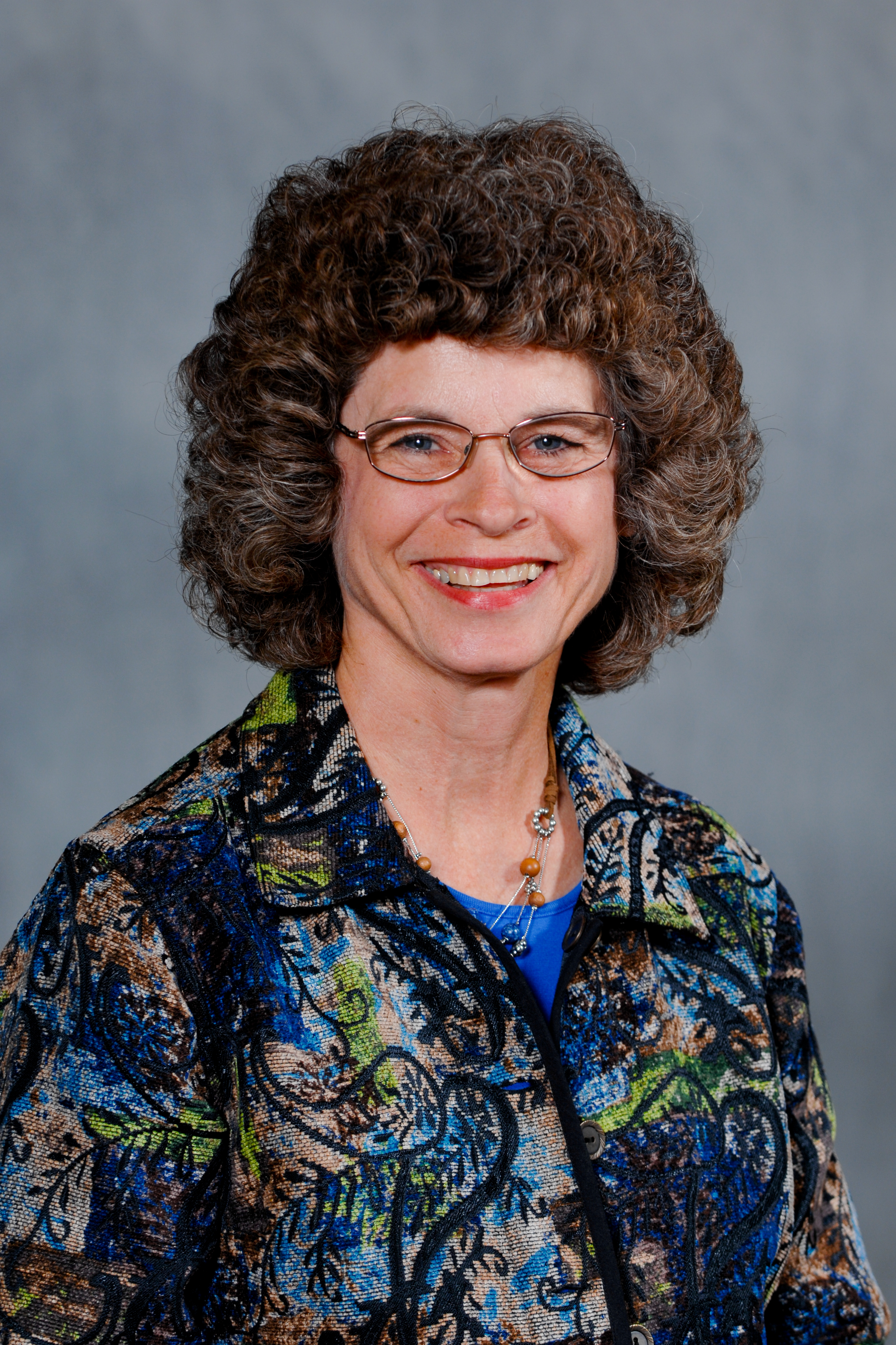
Mary Loftis

Mary Loftis

Personal Column

Mary Loftis

UNL Extension Assistant

mloftis2@unl.edu

September 4, 2013


State Fair Special Recognition Highlights

The Nebraska State Fair passed mostly as a very hot and humid memory, but thankfully the final weekend tempered weather-wise. But the weather wasn’t the only hot thing going on in Grand Island…our Burt County 4-H members were pretty HOT too!

Special recognition certificates highlighting some area of excellence in the particular exhibit were given to six of our 4-H members for nine entries. Included in this list are:

Michael Bracht of West Point on his Robot Programming Notebook. It was recognized for “Clear purpose and the project having baseplate and instructions for display.”

Leia Farrens of Tekamah for her Community Service Activity. The exhibit was a poster highlighting how she decorated themed Christmas trees in the Burt County Museum for 6 years.

Greta Lindberg of Tekamah received two Special Recognition Certificates. One was for the Service Quilt she made for Cancer awareness with flip flop sandals having the different colored cancer awareness ribbon colors as the toe piece on the flip flops. She was noted for her design idea.

Greta’s second special recognition was for her Clothing Level II shorts and top for excellent top stitching.

Brent Miller of Lyons also received two special recognition certificates. One was for his rocket, noting it was an “outstanding exhibit in all aspects.”

His second recognition is even more special as it comes with a $100 special cash award from the Nebraska Rural Electric Association. This was for his electric supply toolkit which was the Top Exhibit in the Class.

Layne Miller of Lyons was recognized for his model rocket for “Great paint and decals.”

Nick Bohannon of Tekamah was recognized in two special presentation contest areas. He gave a presentation on robots in the Premiere Presentation Division and received a $50 cash award from the Nebraska Department of Agriculture. In addition he entered the brand new Teaching Presentation Division and was named one of the top two presenters and received a $25 cash award from Farm Credit Services of America.

Jenna Bromm of Oakland had a highlight experience in the livestock arena when she earned Reserve Grand Champion honors in the Senior Division of the 4-H Swine Showmanship Contest.

In other livestock highlights Madisen Durre of Craig showed the Reserve Champion Middleweight Meat Goat.

Britney Stevenson of Oakland showed the Champion Meat Breed Breeding Ewe, while her sister Rylee had the Reserve Champion All Other Breeds Market Lamb.

Layne Miller of Lyons showed the Champion White Faced Market Lamb.

We are very proud of all our 4-H members and how they and their exhibits did at the State Fair. Hopefully I didn’t miss anyone on the special recognition list because all our 4-H members are special to me and I want to highlight their accomplishments in every way.

This lengthy list of special recognition and awards just shows how HOT our 4-H members were at the state fair this year, hopefully they don’t cool off too long before starting another successful 4-H year.

Mary Loftis,

Extension Assistant
UNL Extension – Burt County
111 North 13th Street, Suite 6
Tekamah, NE 68061
Phone: (402) 374-2929

Fax: (402) 374-2930

Internet: mloftis2@unl.edu


Broadband Business Initiative


Lt. Gov. Heidemann Announces Broadband

Business Initiative

State’s Businesses to Improve Efficiencies and Drive Growth through Broadband Technology

(Lincoln, Neb., Sept. 6, 2013) Today, Lt. Gov. Lavon Heidemann, as Chair of the Nebraska Information Technology Commission, is inviting Nebraska businesses to participate in a new project through the Nebraska Broadband Initiative. The Nebraska Broadband Initiative is launching a statewide survey and scorecard project in early September to help the state’s businesses increase their economic vitality by better utilizing broadband technologies.

“The vision of the Nebraska Information Technology Commission is to improve the quality of life of all Nebraskans by promoting the use of information technology in education, health care, economic development and all levels of government,” said Lt. Gov. Heidemann. “By utilizing this opportunity, our businesses can have valuable feedback and, as a state, Nebraska can leverage its strength as a leader in business technology.”

“The State of Nebraska has long realized the importance of the adoption of broadband technologies,” said Brenda Decker, Nebraska’s Chief Information Officer. “With an average of 98% of Nebraskans having access to broadband technologies, the natural progression is to explore business use of this resource.”

Over the next few months, businesses will be asked to conduct an online assessment of their use of broadband technologies. The survey results will provide valuable information on broadband usage by Nebraska businesses and will allow for a comparison of business broadband usage and impacts with peers nationwide.

Additionally, up to 500 businesses will receive a personalized scorecard and the opportunity to work with a business broadband coach. The scorecards will include ideas on how to better utilize broadband technologies and the return on investment.

Lt. Gov. Heidemann cited Hudl as an example of how Nebraska businesses are utilizing technology. Hudl is a Lincoln-based company recently identified by Inc. magazine, an internationally recognized publication for entrepreneurs and business owners, as the fastest growing private company in Nebraska and is listed at 149 on the Inc. 5000 list of fastest- growing companies in the nation.

Nebraska’s broadband mapping and planning project is led by the Nebraska Public Service Commission in partnership with the University of Nebraska-Lincoln, Nebraska Information Technology Commission, Nebraska Department of Economic Development and AIM Institute.

page1image19808 page1image19968

The University of Nebraska-Lincoln and the Nebraska Department of Economic Development are leading the business survey project.

Visit the Nebraska Broadband website to learn more about the Nebraska Broadband Initiative at: http://broadband.nebraska.gov/. Businesses interested in participating in the survey may contact: Jim Keeler, Business Broadband Manager with the University of Nebraska at 402-472- 4235 or jkeeler8@unl.edu.

page2image3664 page2image3824

Leighton Pounds about his grandfather, Roy Pounds


My Grandfather

By

Leighton Pounds


Agape! My name is Leighton Jo Pounds, and the title of my project is My Grandfather; A Small Town Gift to Professional Baseball. The reasons for choosing this topic was to give you all a little look into how African Americans were treated back in the 1950’s. Another reason for choosing this topic was because I wanted to learn more about my dad’s father and his baseball career.

My grandpa, Roy Pounds, was born on November 10, 1927, in Lyons Nebraska. When he was younger, he enjoyed playing all sports. Roy moved off the farm in 1936, and at the age of 8 moved to Lyons, Ne where he resides with his wife Venita.  My grandpa had always been a very athletic person, but there was something about baseball that just stood out to everyone. But in 1949, he got an offer that would change his life forever. And that offer was a pitching position on the St. Louis Cardinals professional baseball team. He accepted that offer and received $300.00 dollars a month for five months playing baseball for the Cardinals.

Later on he had to move to Albany Georgia to play baseball for the Cardinals. When I sat my grandpa down to talk to him about this project, he told me “Living in Nebraska, we weren’t quite aware of all the segregation going on until we arrived in Georgia. We quickly felt a sense of separation. Meaning, that the African Americans had their own public restroom, restaurants, theaters, outside drinking fountains, and they rode in the back of the buses.” My grandpa also informed me that the St. Louis Cardinals had an African American groundskeeper, and an African American bus driver. They were not allowed to stay in the same hotel as the team. And when they arrived at the ball park, the African Americans were segregated from the whites once again. The African Americans had a stand along the first base line and were very much separated from the main stands.

In 1947 the Brooklyn Dodgers signed the first African American to a major league contract. And that first African American was Jackie Robinson. Fred Saigh, the owner of the Cardinals did not want any African Americans on his team, so therefore, he sold the team to August Bush in 1954. Not knowing that the Cardinals were an all white team, Bush accepted the offer. Realizing that St. Louis was 70 percent white and 30 percent African American, August immediately took that as an opportunity to produce a new team. Bush started signing African Americans and they soon had an integrated team. The St. Louis Cardinals did not sign their first African American until 1954.

The African Americans had their own league where only African Americans could play, and there was a great amount of talent among those leagues. As soon as they heard that some professional teams were sighing African Americans, the black league became almost something of the past. Therefore, after 1955 there was no segregation at the ball parks. My grandpa played for the St. Louis cardinals until he injured his shoulder in 1953.

He was dominate on the mound, and got the job done. He was nominated for Rookie of the Year, and was inducted into the Nebraska hall of fame. He later had four children, Dee, Rich, Jason, and my dad, Jerrod. Roy coached Richard, Jason and Jerrod in baseball throughout their childhood, and my dad followed in his father’s footsteps and became a pitcher. And still today, my grandpa’s dream lives through me and my pitching career. He was the person that convinced me I should start playing softball, and he was also the person who brought up being a pitcher. He has inspired me to get where I am today. He is still inspiring me to dream big, and reach for the stars. My grandpa tells me, that “All things are possible through Christ who strengthens me.”

I have truly enjoyed getting the opportunity to learn more about my grandpa and his career with some of the first African American baseball players. Thank you all very much for listening to my presentation, and I hope each and every one of you enjoyed learning about this as much as I did.


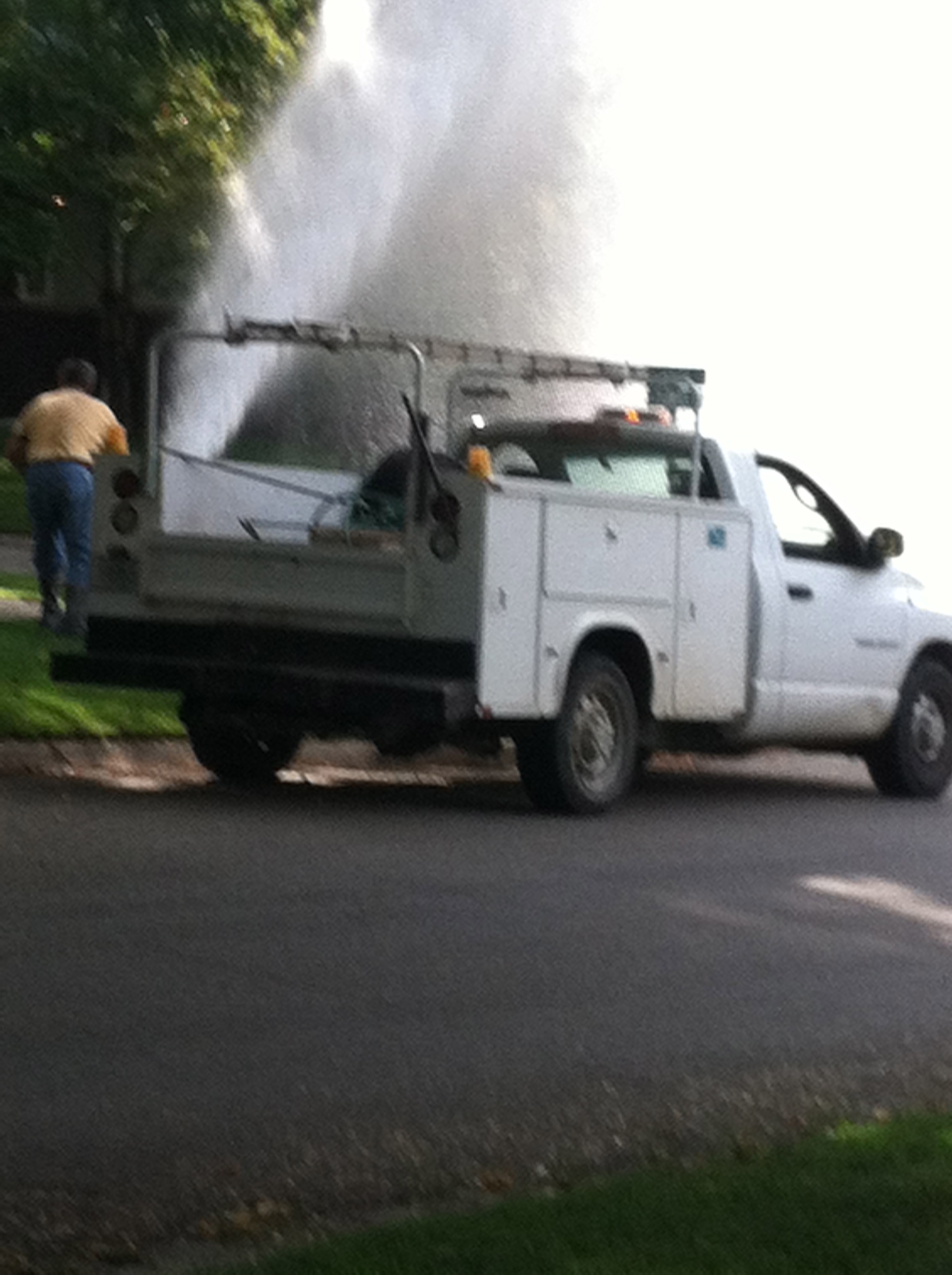
City of Oakland employee at work


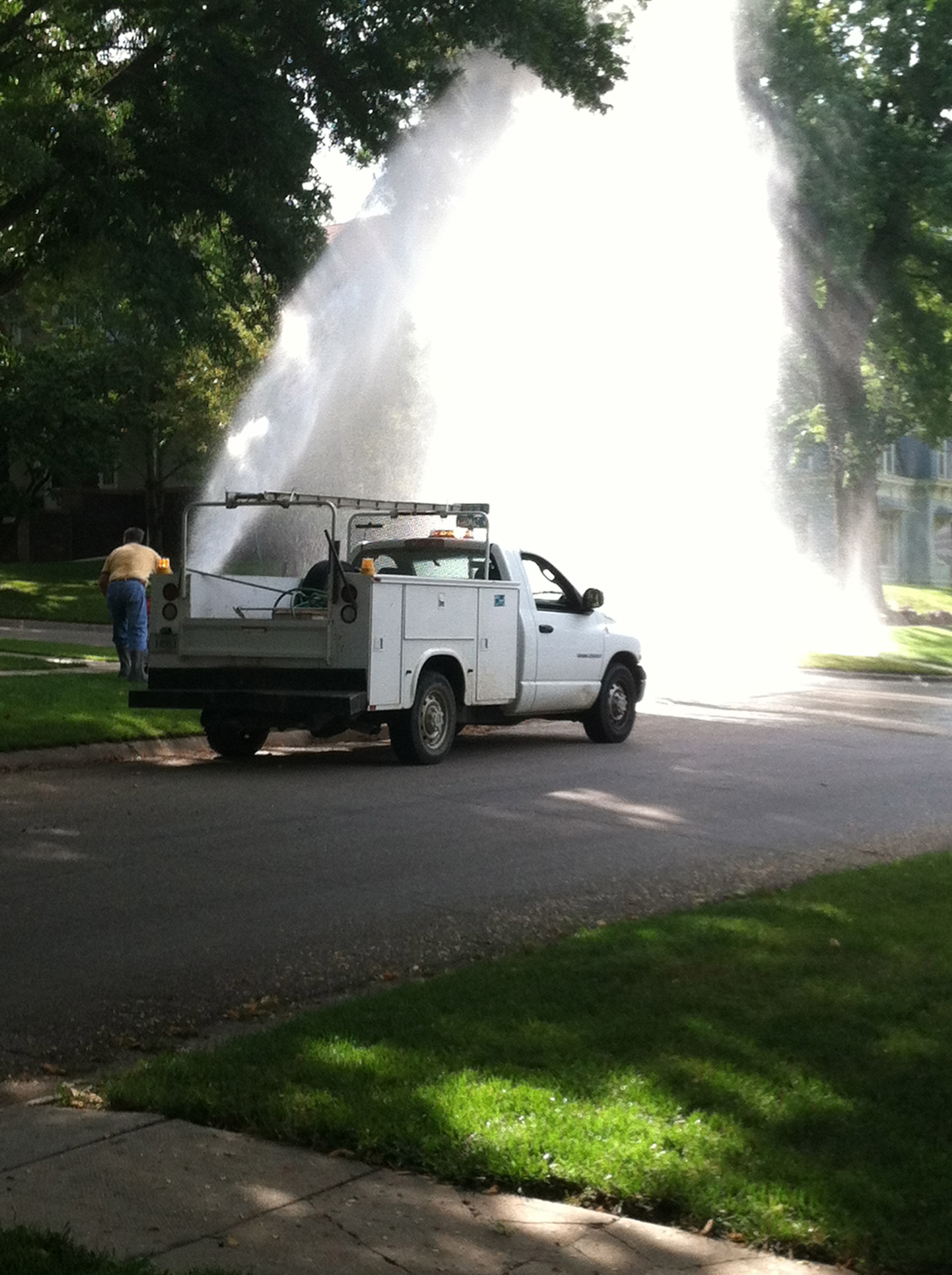
Dan Tanksley, a long-time employee of the City of Oakland, is flushing out this fire hydrant on Thomas Street.

Dan Tanksley, employee for the City of Oakland, flushing out a fire hydrant. Photo Credit/Denise Gilliland, Editor and Chief, Kat Country Hub.

Dan Tanksley, employee for the City of Oakland, flushing out a fire hydrant. Photo Credit/Denise Gilliland, Editor and Chief, Kat Country Hub.

IMG_4910 IMG_4911

Remembering 9/11


It has been 12 years since one of the darkest days in American history occurred. I remember exactly what I was doing and how terrified I felt for those involved. It all seemed so unreal, and to this day, still does.

Please take the time today to honor the victims of that day and their families. God bless them and those that rushed to the scene in an attempt to save lives. They are heroes.

2,977 people lost their lives that horrible day and their families had to endure such a tragedy. I am grateful for those that serve our wonderful country every day, putting their lives on the line to protect all of us.

God Bless the USA.