Residential Demolition Program Making a Difference


Residential Demolition Program Making a Difference, Now Available for Commercial Buildings

(October 4, 2016) – Burt County has seen the demolition of ten abandoned or neglected houses since the start of Burt County Economic Development’s Residential Demolition Program, which began in May of this year. Over $32,000 has been paid out to both individuals and city governments who have been approved and completed their demolition. There are still funds available to fund more tear-downs.

In a 2014 County-wide Housing Study completed by Hanna: Keelan Associates, it was noted that 38 structures were rated “dilapidated” or not cost effective to be rehabilitated, and should be demolished. The Residential Demolition Program, funded by a $75,000 grant from the Donald E. Nielsen Foundation, addresses this need. The program funds 50% of the cost of demolishing these houses.

“The goal is to improve the quality of life for families that live nearby. It enhances the appearance of the neighborhoods and opens up lots for potential new housing development,” said Patty Plugge, Executive Director of Burt County Economic Development Corporation.

Funding is still available for additional demolitions. The grant is available for all properties within the city limits of the five Burt County communities.

Initially only available for residential projects, the Nielsen Foundation granted an additional $125,000 for commercial building demolition projects. Applicants can receive up to 50% of the total demo cost, with a maximum of $15,000 per application. The first round of commercial demolitions will run from October 1 – October 31st.

“Several communities had asked about using the initial funds for commercial demo. The need was definitely there, and luckily the Nielsen Foundation saw the benefit of the additional funding,” said Plugge.

Complete detail of the Demolition Guidelines and Application for Residential or Commercial Properties are available at www.burtcoedc.com, or can be obtained at each of the city/village offices.
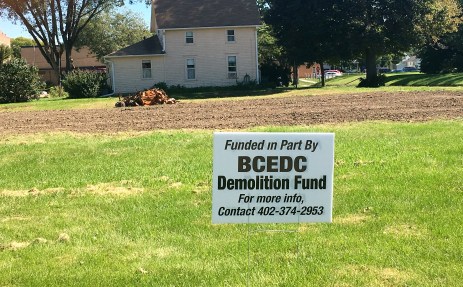
Photo Courtesy of Patty Plugge/BCEDC
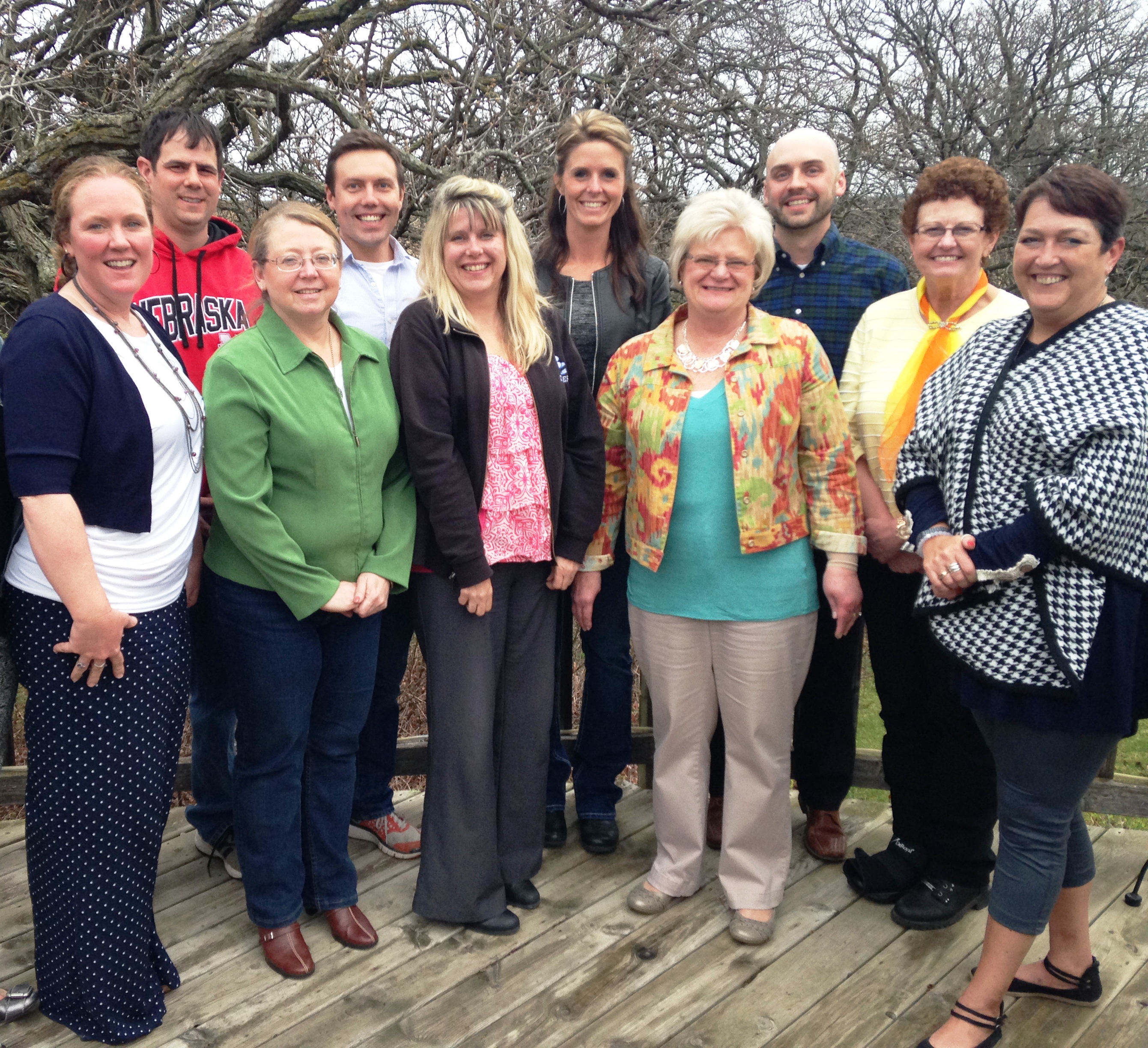
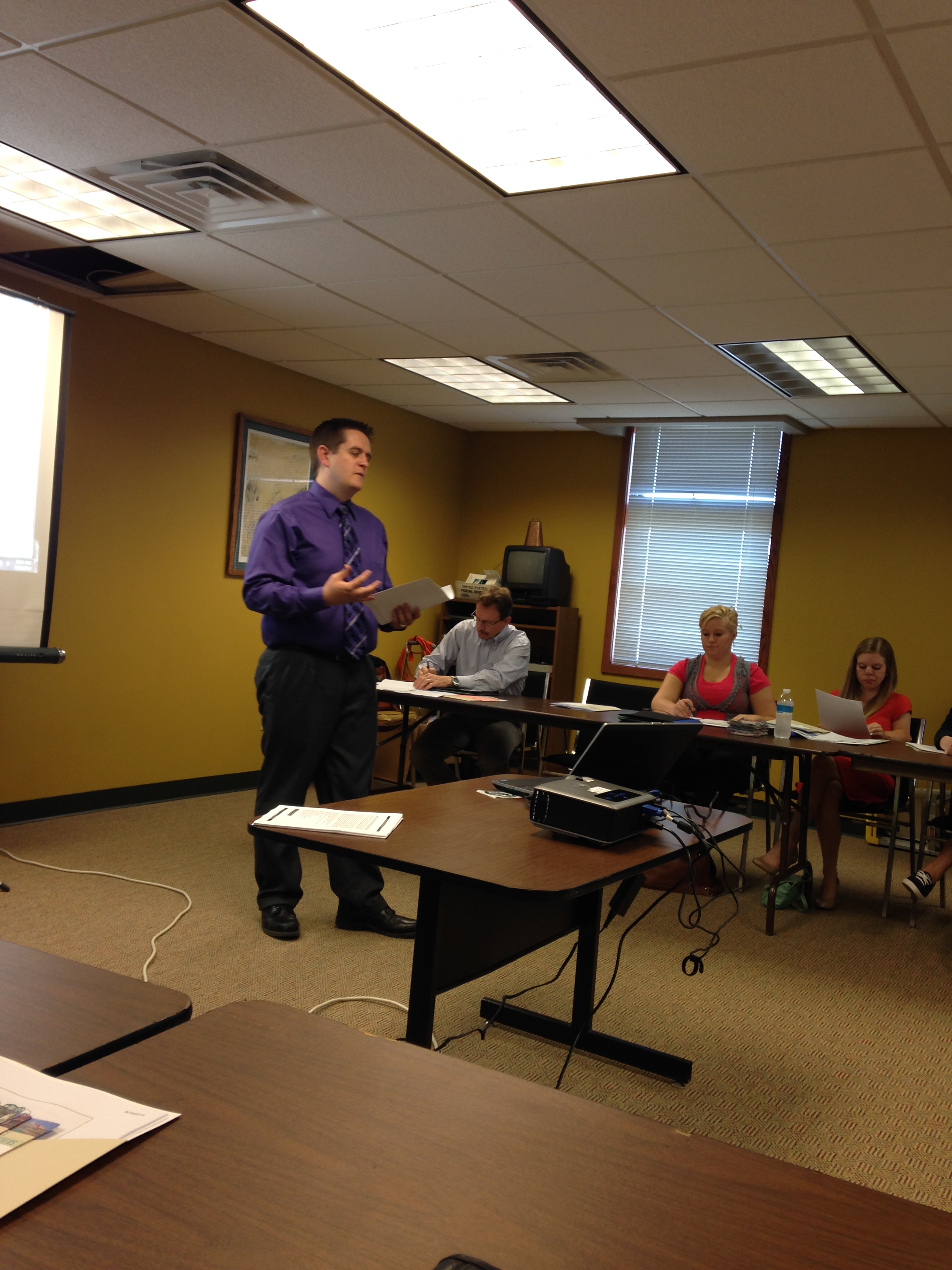
Photo Courtesy of Patty Plugge/BCEDC
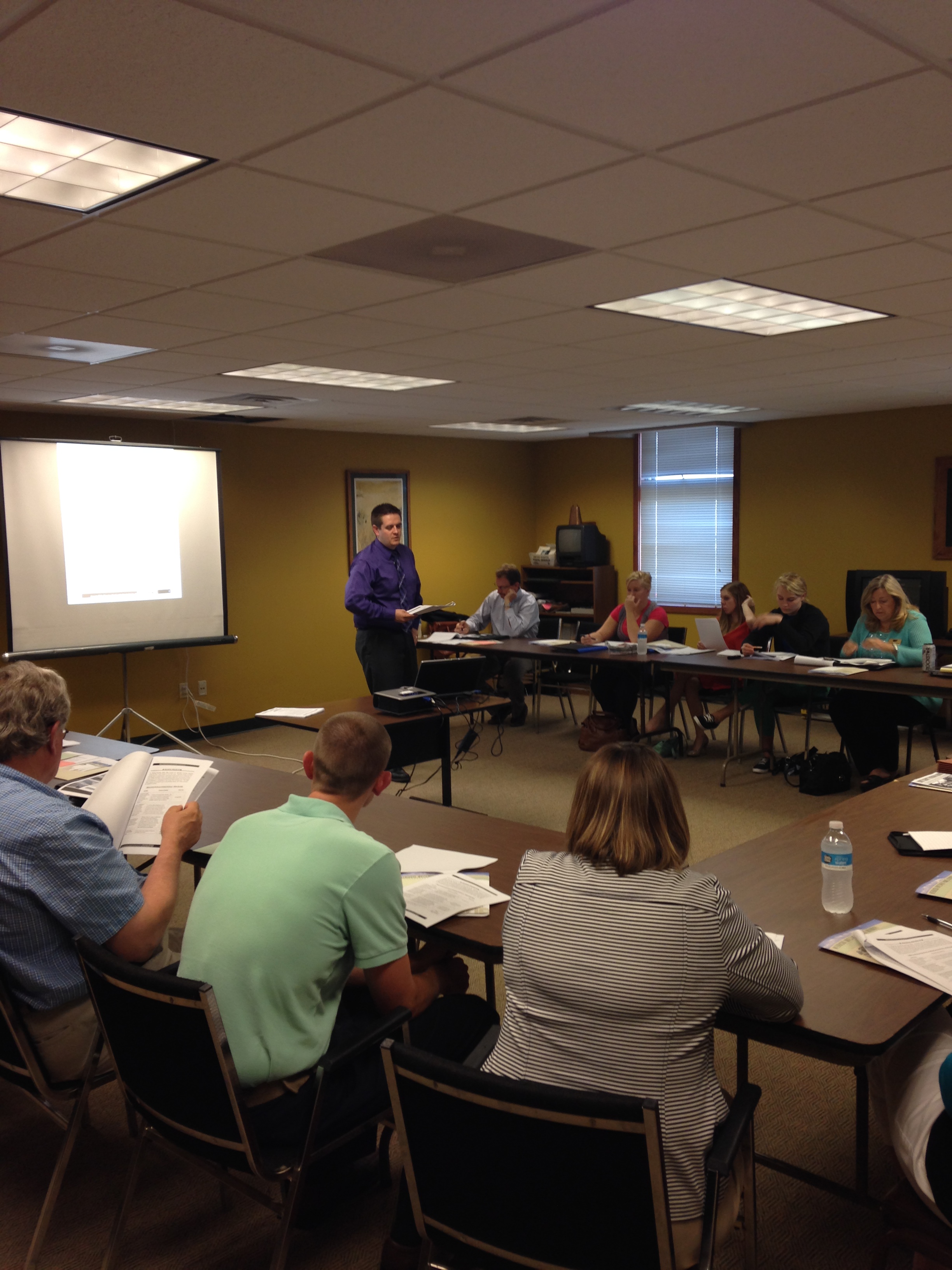


Leadership Burt County Graduating Class


Leadership Burt County is a program designed to motivate and empower citizens committed to building vibrant, prosperous communities and workplaces for today and the future.  This class marks the fifth class to graduate from the seven-month program,  which consisted of a day-long class each month.  The class covered the latest leadership trends, county and state information, and tours of local businesses and also the State Capitol.


Since its beginning in 2009, the program has graduated fifty-six potential local leaders.  The sponsors of the program are Burt County Economic Development Corporation and UNL Extension.

Never doubt that a small group of concerned citizens can change the world.  It is, indeed, the only thing that ever has.”  -Margaret Mead

Pictured: Front L-R Laurie Elliott, Karolyn McElroy, Kristine Haber, Cynthia Petersen, Lisa Skinner.   Back L-R Lucas Cameron, Judd Bogseth, Shara Johnson, Ben Kreifels, Lisa Anderson. Photo Courtesy of Patty Plugge, Executive Director of the Burt County Economic Development Corporation.

Pictured:
Front L-R
Laurie Elliott, Karolyn McElroy, Kristine Haber, Cynthia Petersen, Lisa Skinner.
Back L-R
Lucas Cameron, Judd Bogseth, Shara Johnson, Ben Kreifels, Lisa Anderson.
Photo Courtesy of Patty Plugge, Executive Director of the Burt County Economic Development Corporation.

Low-Interest Loans Available for Exterior Improvements for Commercial Buildings in Burt County


By Patty Plugge, Executive Director


Nine businesses have already taken advantage of a program administered by Burt County Economic Development (BCEDC). If you’re an owner of a commercial building and you’re thinking about making some street side improvements, you may qualify for this low interest loan program. The Burt County Façade Improvement Loan Program is a revolving loan that businesses can use to fund street side exterior improvements and signage on any commercial building.


Funded by a JOBS grant through the Federal Home Loan Bank of Topeka, and matched by BCEDC, the 2% interest microloan program has a maximum loan amount per project of $5500. There must be a 15% cash match. The loan repayment plan includes sixty (60) monthly installments of equal payments.


The objective of the Façade Improvement Program is to provide financial assistance to improve the looks of commercial areas. This not only helps the building owner, it is also a benefit to the neighboring businesses. It improves the impression given to folks driving through our communities, and shows a community that takes pride in itself.


So if you have been thinking about new windows, brick work, siding, awnings, signage, or any exterior street side improvements to your building, contact the BCEDC office at 374-2953.


2015 CEDC Board of Directors


Sarah Chatt, Tekamah

Pam Thomsen, Lyons

John Werner, Oakland

Greg Brummond, Craig

Lisa Anderson, Tekamah

Karolyn McElroy, Lyons

Ted Connealy, Tekamah

Kyle Brink, Lyons

Debbie Anderson, Oakland

Patty Plugge, Executive Dir.


New Officers for Burt County Economic Development Corporation


The officers for 2015 are as follows:

President – Sarah Chatt, Tekamah

Vice President – Pam Thomson, Lyons

Secretary/Treasurer – John Werner, Oakland


“We will continue to focus our efforts in 2015 in three areas – business development, community development, and tourism,” stated Patty Plugge, Executive Director.


Leadership Burt County Taking Applications


Are you interested in sharpening your leadership skills? Would you like to know how to work with different personality types, and learn more about what makes our economy tick? Applications are currently being accepted for the upcoming year’s Leadership Burt County Class. The nine-month class begins on Oct. 7th, and is held the first Tuesday of each month through May, from 9am – 3:30pm. Locations for class vary throughout the county each month.


This will be the fifth year of Leadership Burt County, which is sponsored by UNL Extension and Burt County Economic Development Corporation. To apply, or to recommend someone, please contact Burt County EDC at burtcoedec@abbnebraska.com. Maximum class size is twelve, so get your applications in early!


Housing Leaders Meet in Burt County


Leaders, developers and representatives from across NE were in Lyons on June 19th for the Burt County Housing Summit, hosted by Burt County Economic Development Corporation and Nebraska Investment Finance Authority. The purpose of the summit was to inform housing developers of the opportunities available in Burt County, and match those opportunities with the appropriate financing programs.

Keith Carl, with Hanna:Keelan Associates spoke to the group about the results compiled in the updated Burt County Housing Study. The results found that Burt County will need to provide 108 new housing units – 72 owner, 36 rental – by 2019. Each community’s needs were determined by surveys and face-to-face meetings.

Steve Peregrine, with Nebraska Investment Finance Authority (NIFA), then talked about the financing programs that NIFA provides. Along with NIFA, representatives from USDA, HUD and the NE Department of Economic Development all gave a brief report on financial programs that developers can use to help Burt County achieve their housing goals

Pam Thomsen, Director of Three Rivers Housing Corporation, spoke to the funding her organization received to construct three new affordable homes. These homes will be built in Lyons because the City of Lyons was prepared by having clear ownership of three buildable lots that they offered to donate to anyone willing to build a home. One of the lots already has been spoken for, leaving two available for qualified individuals.

After hearing from the housing experts, the group boarded a bus for a tour of Burt County. Those serving as tour guides for their communities included: Pam Thomsen and Brooks Larsen – Lyons, Matt Connealy – Decatur, Kevin Brenneis – Tekamah, Denise Gilliland and Sue Beckner – Oakland. All communities in Burt County have available lots within the community that would be suitable for affordable housing.

Patty Plugge, Executive Director of Burt County Economic Development Corporation, reported that since the Summit, she has had contact with two separate housing development companies interested in pursuing affordable housing projects in Burt County. Plugge said she will continue to work with Three Rivers Housing and any other developers, and hopes to have good news to report concerning this soon.


Housing leaders met in Burt County, discussing different possible housing areas, then took a tour of Burt County where tour guides met with them in each community, pointing out places of interest to those in attendance. Photo Credit/Patty Plugge BCEDC.

Housing leaders met in Burt County, discussing different possible housing areas, then took a tour of Burt County where tour guides met with them in each community, pointing out places of interest to those in attendance. Photo Credit/Patty Plugge BCEDC.

2014-06-19 11.14.07 2

Keys to Economic Success


By Patty Plugge

Executive Director, BCEDC

In a previous column, I discussed the first two in a list of ten keys for local economic development success. This comes from an article written by Don Macke, Director of Entrepreneurial Communities for the Center for Rural Entrepreneurship.   For over 35 years, the team at the Center for Rural Entrepreneurship has been seeking answers to the question – what brings about local economic development success? Using the insight that is based on their field work across North America, these ten keys were uncovered. As we strive to improve the quality of life in Burt County, keep in mind these best practices.


The first two keys were #1 – Local Responsibility and #2 – Smart Game Plan.


Key #3 – Robust Investment


We all know that businesses that do not reinvest in themselves are likely to erode their competitive advantage, lose market share and eventually fail.  Well, the same is true for communities.  As every farmer knows, you cannot reap what you do not plant. The same is true with economic development; there must be a robust investment in a smart development game plan sustained annually over time.


Key #4 – Entrepreneurial Development Systems – One lesson learned while studying economic development across the nation is that systems generate outcomes when compared to unarticulated programmatic efforts. The prime opportunity for development is through entrepreneurial development systems.  Building it is hard work, but the payoff is huge.


Key #5 – Sustained Effort


Economic development never ends. Communities that succeed sustain their efforts at a robust level year in and year out over decades. Even communities that have succeeded for a generation can falter if they do not adjust and continue to invest.  The key is renewal of community leadership.  Building a game that invests in economic development leadership and ensures continued transition is the foundation for sustained effort.


Key #6 – Growth Entrepreneurs


Each community must find its own solution set. Every community is different and has unique opportunities for development. But what is increasingly clear to us, based on our field work, is that a prime focus on “growth oriented entrepreneurs” is key for today’s changed environment.


Key #7 – Immigrants and New Residents


Communities that welcome, embrace and support immigrants and new residents do better economically and socially over time.


Key # 8 – Real Regional Collaboration


One of America’s greatest economic development challenges is the lack of workable and meaningful vehicles for regional collaboration. Successful communities will likely foster regional development collaborations through locally supported regional development organizations.


Key #9 – Civic and Social Entrepreneurs


It is important to recognize that there are three kinds of entrepreneurs that will enable development success and sustained prosperity – business, civic and social entrepreneurs.  Civic (government) and social (nonprofits) will lead in creating the strategies, quality of life amenities and business climates necessary for business entrepreneurs to succeed.  Investing in all three kinds of entrepreneurs enable a more comprehensive game plan that can yield desired trend-changing results.