One of Kat Country Hub’s Favorite Pictures From Last Year
July 28, 2015 Leave a comment
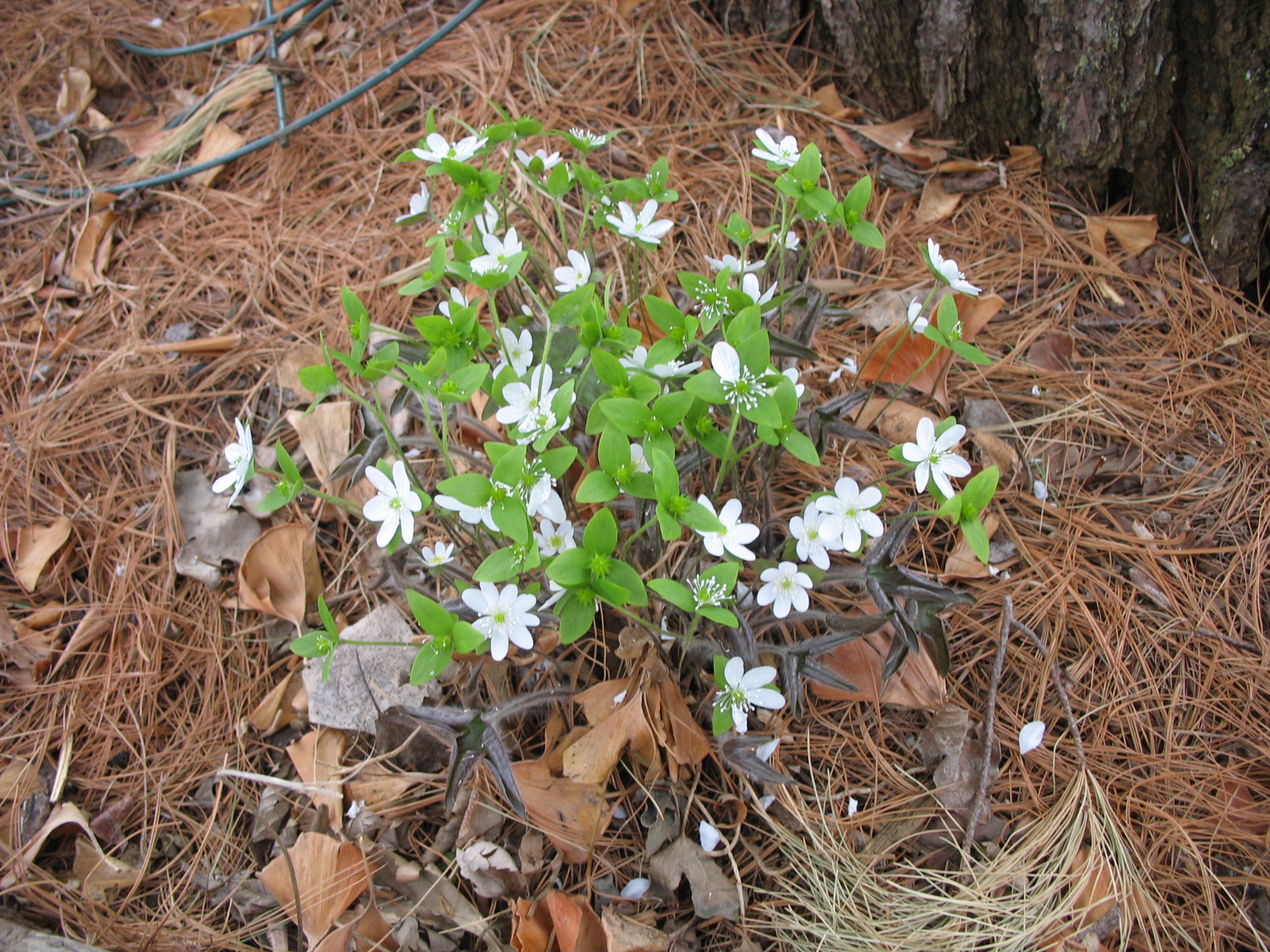
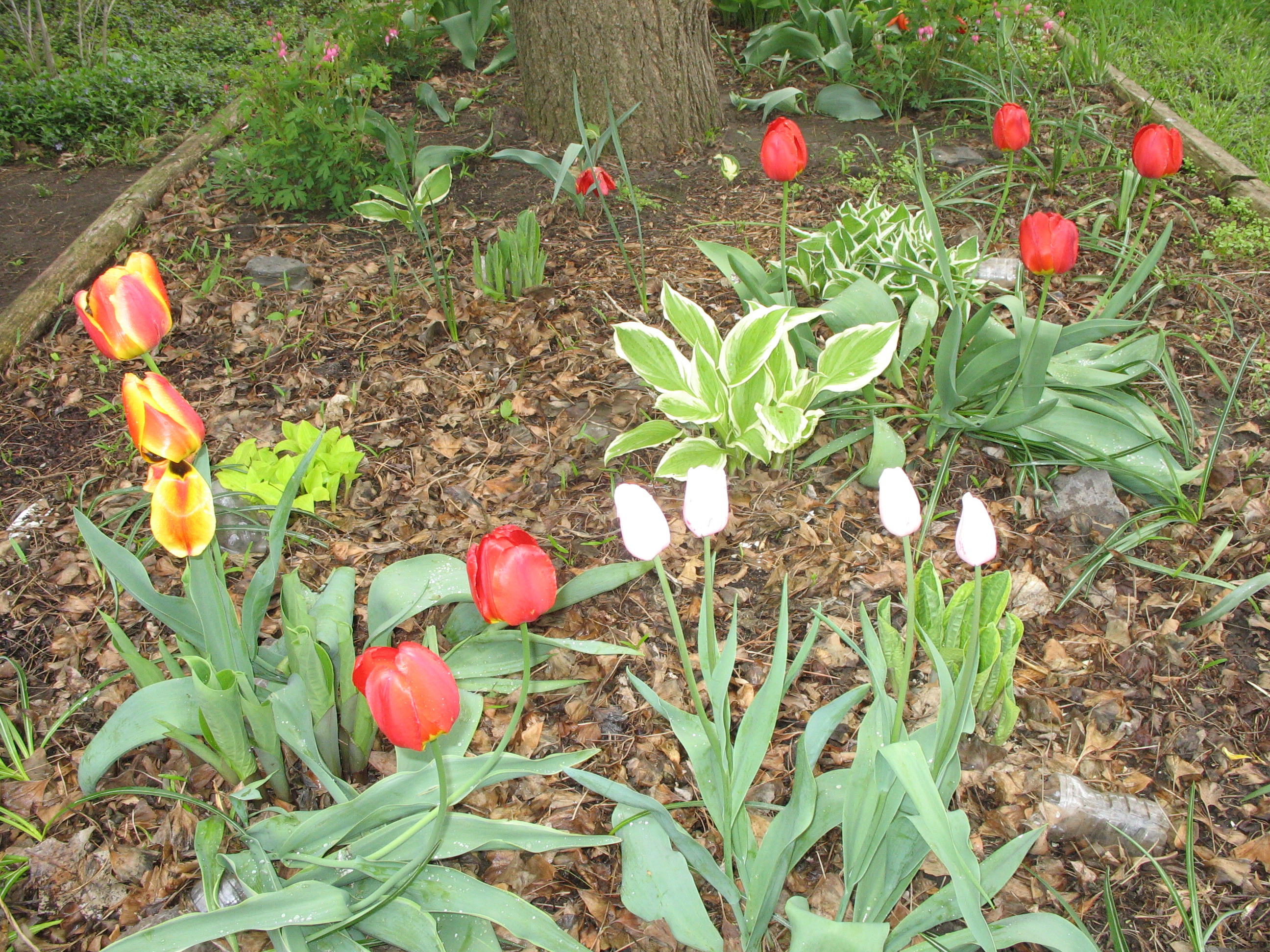
I love this picture. The clouds went over our house, and I ran for my camera. This was from May of 2014.
Northeast Nebraska's dependable news source
July 28, 2015 Leave a comment
I love this picture. The clouds went over our house, and I ran for my camera. This was from May of 2014.
July 28, 2015 Leave a comment
Markets
The big news on Monday was the substantial dip in the Chinese stock market, that trend continued and the 3 day sell of knocks 11% off the Shanghai Composite. Despite government efforts to reverse the trend, the Chinese stock market continues to decline since peaking on June 12th.
Commodities had a significant sell of yesterday pulling down gold, silver, copper, cotton, soybeans, corn, cattle, and Crude oil futures have continued to slide to a new 4 month low near $47 a barrel, but headed back in to positive territory midday today.
U.S Dollar strengthens again today, as many investors look for the fed to increase interest as early as September.
Ford reported a 46% increase in net income for Q2, logging its largest quarterly profit ever for North America.
Grain Markets 12:39pm
Corn -2 @ 3.71
Dec Corn -2 $3.81 ½
Beans +10 ¼ @ $9.71 1/2
Nov Beans +5 ¾ @ $9.39
Crop condition was raised from 69% to 70% good to Excellent on corn as compared to last years 75%, and soybeans were left alone at 62% good to excellent as compared to last years 71%
Corn
December Corn has lost .73 cents in the last 10 trading days, interestingly enough earlier this month, we went from the current trading level to the contract high in just 13 days. We have literally went from $3.81 all the way up to $4.54 and back to $3.81 in 23 days. Talk about a roller coaster ride. There seems to be a lot of noise and no one is exactly sure what to hear, from a weather scare and flooding, to key fundamentals influencing world carry, Political, and of course the macro markets. It seems they are all competing for attention.
A new gap was created yesterday. We now have 2 gaps in the Dec ’15 corn contract, from a technical perspective we may see corn continue to trend down into contract lows prior to retracing those gaps. Keep in mind the gap retracement could be post-harvest.
Strategy: As the market dips, and affordable way to participate in upside potential on sold bushels is a simple “buy back strategy” utilizing options. Which keeps capital risk low.
Beans: Uncertainty in China w no doubt caused a lot of pain for the bean market yesterday seeing a 30 cent drop on Monday in Nov beans. A bit of a turnaround Tuesday feel today though as beans gained at the open, but only up 5 cents at noon. Beans are feeling a lot of pressure from the macro markets, fear of Chinese demand and the US Dollar making South America more appealing to international buyers.
Strategy: Beans may be a painful ride down, lock in a sale at a profitable level either cash or utilizing an HTA. Bonus premium offers may be used to bring the value of the sale up.
Greg Mockenhaupt
ProEdge Risk Management Consultant
P: (402) 685-5613 | C: (402) 380-9855 | Greg.Mockenhaupt@cvacoop.com
1007 County Road O
Oakland, NE 68045
July 28, 2015 Leave a comment
Spring and summer provide an abundance of color from the beauty of flowers and tailored landscapes to the sprouting vegetable gardens.
Oaklander Catherine McMurtry has enjoyed gardening for many years, both floral and vegetable. Her and her late husband Ernest are parents to six now adult children. “With having six kids, we had to have a garden,” stated Catherine.
Their garden was in Norfolk at her parent’s house. They grew a variety of vegetables to feed their family. “We planted many vegetables, including tomatoes and potatoes,” Catherine said.
Her other passion is growing flowers of many varieties, creating beautiful flowerbeds throughout her yard. She also has a fiberglass bathtub to plant flowers in. “I have planted zinnias in it. They got very tall. I don’t know why, maybe something in the soil,” Catherine stated.
Another one of her favorite flowers is the wave petunia. “They don’t have to be deadheaded. I have grown pink, white and purple petunias,” said Catherine.
She has also had random flowers grow that weren’t planted by her. “Squirrels, birds, water and wind can carry many things, including flower seeds,” Catherine stated.
Catherine has also been a member of the Oakland Garden Club since she retired from her teaching career in 2002. She currently holds the secretary position and has for many years.
The Garden Club has many flowerbeds at the Oakland Park, beautifying the park for all to enjoy. Catherine maintains one of the beds at the park, planting flowers, especially petunias and tulips, watering them and pulling the weeds. The Garden Club has many members, each pitching in to keep the park a very colorful sight for everyone’s eyes.
Catherine also has grown many bushes and trees over the years. “I believe in planting all native trees and bushes, something from this area. The birds, butterflies and insects live on them,” Catherine stated.
She has a piece of advice for those trying to find the best type of flowers to plant, especially for the older individuals. “Plant perennials. It is wonderful to have plants that come back year after year. Two of my favorites are mums and tulips,” Catherine said.
If you would like to become a member of the Oakland Garden Club, contact Catherine or many of the other members.
July 28, 2015 Leave a comment
By Governor Pete Ricketts
Throughout my first six-plus months as Governor, I have spoken frequently about my goal of Growing Nebraska. To make this goal a reality requires the input and support of the citizens of our state. Growing Nebraska necessitates that we as Nebraskans come together to build a strategy to move our state forward. That is why over the past two years I have spent so much time crisscrossing Nebraska, visiting communities, holding town halls, and listening to taxpayers.
These travels have shaped the focus and priorities of my administration. Those priorities include growing good-paying jobs, lowering taxes, pushing back on regulation, expanding educational opportunities, and running government more like a business. All of these play a role in shaping an overall strategy for Growing Nebraska, and they serve as the inspiration for and creation of initiatives that my administration is already undertaking.
In the coming weeks and months, I will be hosting a series of town halls across the state so that I can continue to listen to you as we shape the state’s priorities. This past week, I kicked off this journey with two very well attended town halls in Northeast Nebraska in Wayne and Laurel. They were both great opportunities to listen to the hopes and concerns of many hardworking Nebraskans. Questions and comments covered a lot of ground ranging from workforce development and education funding to the death penalty and cutting the growth in state government. It was especially encouraging to hear from young Nebraskans at the town halls who wanted to learn more about the future of higher education and healthcare in our state.
It is important to remember that you make up the second house in Nebraska. Our Unicameral Legislature is a one-of-a-kind legislative body made up of a single-house citizen legislature. This unique legislative body requires that the citizens of our state act as the second house, making their voice heard to their elected officials. I encourage all Nebraskans to take the opportunity to attend public events hosted by their representatives so that they can share their views on issues and hopes for our state.
This week, I will be hosting town halls in Nebraska City and Falls City in Southeast Nebraska before heading west for additional town halls in the coming weeks. I hope that you will consider joining one of these events so that I can hear directly from you. The feedback I receive at these events will help me as I continue to build a strategy to Grow Nebraska and to put together new initiatives to achieve the major priorities on which my administration is focused.
Be sure to check Facebook, Twitter, and my website at governor.nebraska.gov for all the latest information on upcoming town halls across the state. If you are not able to make it to one of the upcoming town halls, I hope you will take some time to share your thoughts by calling my office at 402-471-2244 or writing to pete.ricketts@nebraska.gov. I am always looking for your thoughts and feedback as we continue to work together to Grow Nebraska.
July 27, 2015 Leave a comment
The 50th annual Neihardt Day celebration will honor the “Sacred Circle” of the life and works of John G. Neihardt and family on Sunday, August 2 from 11:30 a.m. – 3:30 p.m. at the Neihardt Site.
Ron Hull returns as emcee and will introduce featured presenters including American folk-era musical entertainer Mike Adams, a living history interpretation of John and Mona Neihardt by Brad Kellogg and Raija Weiershauser, and manuscript donation by James Storm.
We are also pleased to welcome special guests and members of the Neihardt and Black Elk families, including Coralie Hughes, Neihardt’s granddaughter, who will give a selected Neihardt reading, and Myron Pourier, the great-great grandson of Nicholas Black Elk.
Foundation Board members are invited to attend a meeting in the Neihardt Library at 10:30 a.m. Lunch will be served on the grounds by Conrad’s Kitchen from 11:30 a.m.-1:30 p.m. The main program will begin at 1:30 p.m. The celebration is free and open to the public.
Bring your family and a lawn chair to enjoy the festivities!
July 27, 2015 Leave a comment
The Neihardt Site has once again been chosen as one of 80 stops for the Nebraska Tourism Commission’s sixth annual Passport Program.
The ten tours featured in this program will take participants all over the state to discover unique and exciting places.
This year, the Neihardt Site is part of the “Nebraska Legends Tour,” which includes some of the most famous historical figures to call Nebraska home.
In addition to the Neihardt Site, other stops in the Legends Tour include the Andrew Jackson Higgins National Memorial, Columbus; Arbor Lodge State Historical Park, Nebraska City; Arthur Bowring Ranch State Historical Park, Merriman; General Crook House Museum, Omaha; Ponca Tribal Museum and Library, Niobrara; Senator George Norris State Historic Site, McCook; and Willa Cather State Historic Site, Red Cloud.
When you visit any of the designated sites, be sure to get your passport stamped to be eligible for prizes for each completed tour. For more information visit nebraskapassport.com.
July 27, 2015 Leave a comment
By Mary Loftis, Extension Assistant
Static results…how exciting does that sound? Still, motionless, stagnant, quiet…BORING! But, the static 4-H exhibits 4-H members produce may be motionless, but they are anything but boring. If you didn’t make it to the Fremont 4-H Fair, you’ll just have to come to the Burt County Fair to see what creative projects these 4-H members have created.
Special recognition medals were awarded to the top two exhibits in each project area. Burt County 4-H members brought home seven of these medals for the exhibits they had created.
Rayna Hladky of Tekamah received a gold medal for her acrylic painting in the Portfolio Pathways project.
Jenna Voskamp of Tekamah had her child development game named as a silver medal winner in Child Development.
Brent Miller of Lyons was a multiple award winner receiving a gold for his deer feeder in Wildlife Habitat; a silver in Model Rocketry and a silver in Electricity for rewiring a livestock grooming blower.
Layne Miller also of Lyons brought home two medals, a gold on his model rocket and a silver on his colonial folding table in woodworking.
Other Results included Clover Kids exhibits which are non-competitive:
Consumer and family science: Brennan Trotter, Tekamah, Kaylin Miller, Lyons (2) and Lily Ann Willing, Tekamah (2)
Communications and Expressive Arts: Brennan Trotter
Environmental Education and Earth Science: Veona Hladky, Tekamah; Kaylin Miller and Lily Ann Willing.
Healthy Lifestyles Education: Lily Ann Willing
Misc. Other Items: Brennan Trotter and Lily Ann Willling (3)
In 4-H competition in the STEAM Clothing 1 project: Colten Miller, Lyons Purple
STEAM Clothing 2: Ashley Bohannon, Tekamah, Blue.
Beyond the Needle: Blue ribbons to: Jadyn Fleischman, Herman; Jessica Fleischman, Herman; Kora Voskamp, Tekamah; Jenna Voskamp, Hannah Rief, Tekamah; Claire Dllouhy, Herman; Anna Wakehouse, Tekamah, Emma Wakehouse, Tekamah; Avery Trotter, Tekamah, Casey Stone, Tekamah, Izzy Connealy, Tekamah; Maggie Braniff, Tekamah and Ryan Braniff, Tekamah.
Red ribbons went to: Katheryn Gregerson, Herman; Connor Davis, Tekamah; Izzy Connealy; Anna Stork, Tekamah; Anna Wakehouse, Emma Wakehouse, Jadyn Fleischman, and Hannah Rief.
Child Development: Purple: Jenna Voskamp and Red: Kennedy Pagels, Tekamah.
Design My Place: Purple: Elizabeth Dlouhy, Herman
Portfolio Pathways: Rayna Hladky; Blue: Ashley Bohannon and Jodi Kocsis, Tekamah.
Sketchbook Crossroads: Purple: Rayna Hladky; Blue: Ashley Bohannon
Design Decisions: Purple: Colten Miller (2), Hailey Miller, Kennedy Pagels, Jenna Voskamp, Emma Wakehouse (2), Layne Miller (2), Brent Miller, Kora Voskamp (2), Liz Dlouhy; Blue: Anna Stork, Anna Wakehouse, Hannah Rief (2), Kora Voskamp, Ryan Braniff; Red: Jenna Voskamp. Casey Stone, Claire Dlouhy, Avry Trotter, Anna Stork, Rayna Hladky, Katheryn Gregerson and Kennedy Pagels.
Woodworking: Purple: Layne Miller and Brent Miller
Model Rocketry: Purple Layne Miller and Brent Miller.
Electricity: Purple: Brent Miller; Blue: Layne Miller.
Wildlife: Purple: Brent Miller
Floriculture: Purple: Brent Miller and Layne Miller.
These “static 4-H exhibits” don’t need to be led or herded. They are motionless themselves, but they do show the creativity and talent of these 4-H members, as well as the growth in skills achieved through the 4-H year.
Mary Loftis,
Extension Assistant
UNL Extension – Burt County
111 North 13th Street, Suite 6
Tekamah, NE 68061
Phone: (402) 374-2929
Fax: (402) 374-2930
Internet: mloftis2@unl.edu

July 27, 2015 Leave a comment
By John Wilson, Extension Educator
Soybean aphids have been found in recent field surveys in northeast Nebraska. I checked a few local fields and found an occasional plant with a few (less than 10) aphids/plant. These numbers are extremely low, which is typical for this time of year, but it does signal it’s time to start scouting.
Aphids will be found on the newest leaves at the top of the plant first. Ths indicates they recently colonized the plant, probably within the last week. The good news is the soybean aphid’s natural enemies have also been found in these field surveys, so they may hold the populations in check, or at least slow their population growth.
Relatively mild weather, between 70 and 85F, favors soybean aphid development, so make sure to check fields at least once a week. Soybean aphid population growth can be quite rapid, and regular monitoring of soybean aphid populations is key to effective management.
Soybean Aphid Description
The soybean aphid is soft bodied, light green to pale yellow, less than 1/16 inch long, and has two black-tipped cornicles, or tailpipes, on the rear of the abdomen. It has piercing-sucking mouthparts and typically feeds on new tissue on the undersides of leaves near the top of recently colonized soybean plants. Later in the season the aphids can be found on all parts of the plant, feeding primarily on the undersides of leaves, but also on the stems and pods.
Soybean Aphid Injury to Soybean
Soybean aphids injure soybeans by sucking out plant sap with their needle-like mouthparts. Symptoms of soybeans infested by soybean aphid may include yellowed, distorted leaves and stunted plants. A charcoal-colored residue also may be present on the plants. This is sooty mold that grows on the honeydew that aphids excrete. Honeydew by itself makes leaves appear shiny. Soybean plants appear to be most vulnerable to aphid injury during the early reproductive stages.
Aphid Scouting Methods
The economic threshold for late vegetative through R5, or pod fill, stage soybeans is 250 aphids per plant with 80% of the plants infested and populations increasing. Begin scouting soybean fields once or twice a week now. Check 20 to 30 randomly selected plants in various areas of each field.
Aphids are most likely to concentrate at the very top of the plant, although they will move onto stems and within the canopy as populations grow and/or the plant reaches mid to late reproductive stages. If a tree line or woodlot is adjacent to the soybean field, make sure and include a few sampling locations near these areas. Soybean aphids are often found first in the parts of soybean fields near wooded areas.
Counting aphids is not as difficult as it may at first seem. First, walk to a random spot in the field. Pull a plant and turn it upside down and give it a quick scan to see where the aphids are located. Get a feel for what 10 or 20 aphids look like and count by 10s or 20s.
The current threshold for late vegetative through R5 stage soybean is 250 aphids/plant with 80% of the plants infested and populations increasing. Thresholds for early R6 have yet to be determined, but are likely in the 400-500 aphids/plant range. Insecticide treatment done during or after mid-late R6 has not been documented to increase yield.
Soybean Aphid Management
Look for the presence of aphid natural enemies such as lady beetles, green lacewings, insidious flower bugs, aphid mummies, fuzzy aphids, and other insect predators. Predators and parasitoids may keep low or moderate aphid populations in check. One can often find soybean aphids by examining plants where lady beetles are observed.
Note whether the plants are covered with honeydew or sooty mold, or stunted, and aphids are still present at threshold levels. An insecticide treatment may still be of value but the optimum time for treatment has passed.
Good insecticide coverage and penetration is required for optimal control of soybean aphid because aphids feed on the undersides of the leaves and within the canopy. For ground application use high water volume (15 gallons/acre) and pressure (30 psi). Aerial application works well when high water volume is used (3 gallons/acre).
Several insecticides are labeled for the soybean aphid. Pyrethroids have a relatively long residual, and work best at temperatures below 90ºF. Organophosphates have a fuming action, and may work well in heavy canopies or high temperatures. Dimethoate is least effective.
Soybean aphids, if they reach economic thresholds, usually do so and require treatment in late July through August. One treatment during this period usually is enough to keep aphid populations from resurging because there is not enough time for populations to build-up before they would naturally leave the fields in late August and early September. The earlier a field is treated, the greater the chance that any surviving aphids can later reproduce or new aphids can repopulate the field.
Remember, insecticide treatment also kills many natural enemies, so any aphids that do re-infest a field are not constrained by predators and other natural controls. Even insecticides with a relatively long residual cannot last when insecticide treatment is done in early or mid-July, particularly during a year when aphid populations are thriving. If one has to treat early, make sure to closely monitor the field until early September.
Another practice that can result in aphid population resurgence is unwarranted insecticide treatment, either because fields were treated well before the threshold was met or fields were treated along with a herbicide (in some cases a fungicide), regardless of aphid presence. These treatments kill natural enemies and are usually done relatively early so there is plenty of time for aphids to resurge, or re-colonize a field.
Aphid populations below or even at the economic threshold do not cause yield loss, so treating before populations reach 250 aphids/plant only increases the probability of aphid resurgence. In addition, we have observed that many fields support a non-increasing, low population of aphids (e.g., less than 100 aphids/plant) through August. Treating these fields would be a waste of time and money.
Tank-mixing insecticides with glyphosate or other herbicides can be problematic because application methods for herbicides (e.g., lower pressures, large droplet producing nozzles) are not optimal for good insecticide efficacy. Tank-mixing with fungicides can be effective because application methods for fungicides and insecticides require high water pressure for adequate penetration and coverage, however, only conduct this practice IF soybean aphid thresholds are met.
Recent Comments